Industry News
Curation by industry experts
Hot Articles
Popular Tags
Wholesale Adirondack Chairs: Material Choices That Last
For dealers, distributors, and sourcing agents, selecting wholesale Adirondack chairs is not just about style—it is about long-term margin protection, customer satisfaction, and reliable outdoor performance.
From solid wood and HDPE lumber to metal and hybrid constructions, each material affects durability, maintenance, freight efficiency, and resale value.
This guide reviews material choices that last, helping compare wholesale Adirondack chairs with a procurement-focused lens and build a dependable outdoor furniture portfolio.
Wholesale Adirondack Chairs: Why Does Material Matter First?
The Adirondack chair looks simple, but its material determines nearly every commercial performance factor.
Outdoor seating faces UV exposure, rain, salt air, freeze-thaw cycles, abrasion, and repeated movement.
For wholesale Adirondack chairs, material choice influences service life, warranty claims, packaging design, and seasonal replenishment planning.
A chair that looks profitable at quotation stage can become costly if it cracks, fades, or requires frequent after-sales support.
Material also shapes brand positioning. Natural wood suggests warmth and tradition, while HDPE emphasizes low maintenance and recycled content.
Metal suits modern hospitality settings, but coating quality becomes critical in humid or coastal markets.
The best wholesale Adirondack chairs are not defined by one universal material.
They are defined by fit between climate, usage intensity, retail price point, and replacement expectations.
What Are the Main Material Options for Wholesale Adirondack Chairs?
Most wholesale Adirondack chairs fall into four material groups: solid wood, HDPE lumber, metal, and hybrid constructions.
Each group carries different advantages for merchandising, freight, maintenance, and end-user satisfaction.
Solid Wood
Wood remains popular because it delivers authentic outdoor character and strong visual appeal.
Common options include teak, acacia, cedar, eucalyptus, pine, and fir.
Teak offers excellent natural oil content and weather resistance, but it sits at a premium cost level.
Acacia and eucalyptus provide attractive grain and competitive pricing, though finishing quality strongly affects outdoor durability.
Softwoods can support entry-level programs, but they require stronger quality control on drying, coating, and hardware.
HDPE Lumber
HDPE lumber is one of the strongest categories for long-life wholesale Adirondack chairs.
It resists rot, splintering, insects, moisture, and many common outdoor stains.
Many HDPE chairs use recycled plastic content, supporting sustainability claims when documentation is available.
The main concerns are weight, freight cost, pigment stability, and screw-holding performance.
Metal
Aluminum and steel Adirondack chairs are less traditional, but they work well in contemporary outdoor spaces.
Aluminum offers corrosion resistance and lighter handling, especially with proper powder coating.
Steel can provide strength and competitive pricing, but corrosion control must be carefully verified.
Hybrid Materials
Hybrid wholesale Adirondack chairs combine materials to balance cost, structure, and appearance.
Examples include wood seats with metal frames, HDPE slats with stainless fasteners, or composite panels with aluminum support.
Hybrid designs should be reviewed for thermal expansion, connection strength, and galvanic corrosion risks.
Which Material Lasts Longest in Real Outdoor Use?
In many climates, HDPE lumber provides the most predictable low-maintenance lifespan for wholesale Adirondack chairs.
It does not absorb water like wood, and it does not rust like untreated metal.
However, “longest lasting” depends on formulation, UV package, thickness, hardware, and assembly engineering.
A dense HDPE chair with stainless steel fasteners usually outperforms a thin recycled plastic chair with weak joints.
Teak also performs exceptionally well when sourced and dried correctly.
Its natural oils resist decay, making it suitable for premium patio, resort, and garden collections.
The trade-off is price, wood movement, and periodic care if original color must be preserved.
Powder-coated aluminum can last well in commercial outdoor environments, especially where lighter weight is valued.
Still, coating thickness, pretreatment, weld finish, and salt-spray resistance should be specified before ordering.
For wholesale Adirondack chairs in coastal regions, stainless hardware and corrosion-resistant components become non-negotiable.
How Should Different Applications Influence Material Selection?
Application context often matters more than material preference.
The same chair may perform differently on a covered porch, beach deck, rental property, or garden center display.
Residential Retail Programs
For residential retail, appearance, carton size, assembly time, and perceived value shape purchase decisions.
Wood can win on emotion, while HDPE wins on convenience and long service life.
Wholesale Adirondack chairs in this channel should include clear care instructions and realistic outdoor-use claims.
Hospitality and Contract Outdoor Spaces
Hotels, cafés, parks, and leisure venues require stronger resistance to heavy traffic.
HDPE and aluminum are often practical because they reduce repainting, staining, and splinter-related complaints.
Stackability, weight, cleaning method, and replacement-part availability should be evaluated alongside unit price.
Coastal and Poolside Settings
Salt, chlorine, and high UV exposure are severe tests for wholesale Adirondack chairs.
HDPE with UV-stable pigments is usually safer than ordinary painted wood or unprotected steel.
If metal is selected, marine-grade fasteners and proven coating systems should be requested.
What Quality Details Separate Durable Chairs from Short-Lived Products?
Material names alone do not guarantee performance.
A sourcing review for wholesale Adirondack chairs should examine construction, finishing, packaging, and documentation.
- Check seat slat thickness and load-bearing geometry.
- Confirm stainless, galvanized, or coated hardware specifications.
- Review UV, moisture, corrosion, and abrasion test evidence.
- Inspect edge finishing to reduce cracking, chipping, or discomfort.
- Assess carton strength for palletized and parcel delivery.
- Evaluate assembly instructions, spare parts, and labeling accuracy.
For wood chairs, moisture content is a major risk point.
Poor drying can cause warping, checking, loose joints, and inconsistent finishing after shipment.
For HDPE chairs, color consistency and board density deserve close attention.
Low-quality recycled blends may fade unevenly or deform under heat if engineering is weak.
For metal chairs, coating adhesion is often the dividing line between durable seating and early rust claims.
Powder coating should be paired with proper pretreatment, not used as a cosmetic shortcut.
How Do Cost, Freight, and Maintenance Change the True Value?
The lowest quoted price rarely reflects the true cost of wholesale Adirondack chairs.
A better comparison includes freight cube, weight, damage rate, assembly labor, return risk, and expected replacement cycle.
HDPE chairs usually cost more upfront but can reduce maintenance and extend resale confidence.
Their heavier weight may increase freight expense, yet it can improve stability in windy outdoor locations.
Wood chairs can support attractive price tiers, but coating upkeep should be disclosed clearly.
If refinishing expectations are hidden, satisfaction may decline after one or two outdoor seasons.
Metal chairs can ship efficiently when designed for knock-down packing.
However, surface scratches during transit can become costly if protective packaging is insufficient.
For wholesale Adirondack chairs, the strongest commercial value often comes from stable specifications, predictable packaging, and transparent care claims.
FAQ Comparison Table for Wholesale Adirondack Chairs
What Mistakes Should Be Avoided Before Placing a Bulk Order?
One common mistake is selecting wholesale Adirondack chairs only by catalog image.
Outdoor furniture must be judged by samples, specifications, packaging tests, and realistic use scenarios.
Another mistake is accepting vague descriptions such as “weatherproof,” “eco-friendly,” or “commercial grade” without evidence.
Claims should be supported by material data, test methods, recycled-content declarations, or coating performance records.
A third mistake is ignoring spare parts.
Replacement hardware, slats, and instruction sheets can reduce returns and extend product life.
Color planning is also important for wholesale Adirondack chairs.
Bright pigments may drive sales, but they require stronger UV validation in sunny regions.
Finally, avoid overloading one material into every market.
A balanced assortment may combine premium teak, mainstream HDPE, and lightweight aluminum for different price and use segments.
How to Build a Smarter Material Specification Checklist?
A strong specification sheet makes wholesale Adirondack chairs easier to compare across suppliers and production regions.
It also reduces misunderstandings during sampling, inspection, and shipment approval.
- Define target climate, price tier, and usage intensity.
- List exact material grade, thickness, density, and finish.
- Specify hardware material, coating, and corrosion resistance.
- Request load, stability, UV, moisture, and salt-spray references.
- Review carton drop protection and pallet configuration.
- Confirm labeling, care instructions, warranty scope, and spare parts.
This checklist turns a visual product into a measurable sourcing decision.
It also supports better negotiation because value can be compared beyond unit price.
Conclusion: Choosing Wholesale Adirondack Chairs That Protect Long-Term Value
Durable wholesale Adirondack chairs start with material clarity, not decoration alone.
HDPE offers low maintenance and strong outdoor predictability, especially for high-exposure environments.
Wood provides authentic appeal and premium character when drying, finishing, and sourcing are controlled.
Metal and hybrid designs can add modern styling, freight efficiency, and structural flexibility.
The next step is to compare samples against climate, channel, warranty, and logistics requirements.
With a disciplined material checklist, wholesale Adirondack chairs can support stronger margins, fewer claims, and more dependable outdoor collections.
Recommended News
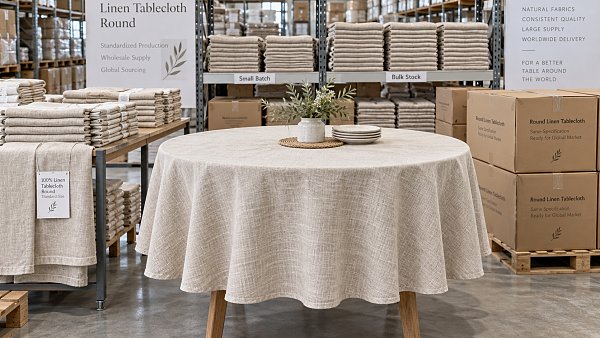
 Home DecorHow order size affects wholesale prices for round linen tableclothsBuying round linen tablecloths wholesale? Discover how order size, freight, and inventory costs affect pricing—and choose the right quantity to maximize real savings.Interior Sourcing LeadOct 14, 2026
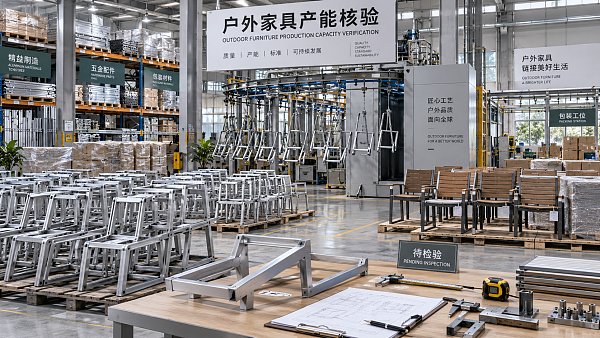
 Outdoor FurnitureHow to verify outdoor furniture manufacturers' production capacityCan outdoor furniture manufacturers deliver on time? Learn how to verify production capacity, uncover bottlenecks, and validate supplier commitments before placing your next order.Interior Sourcing LeadOct 13, 2026
 Commercial DisplaysWhat makes an outdoor digital signage display manufacturer reliable?Discover how to choose a reliable outdoor digital signage display manufacturer with proven weather protection, quality control, smart visibility, and responsive after-sales support.Commercial Tech EditorOct 12, 2026
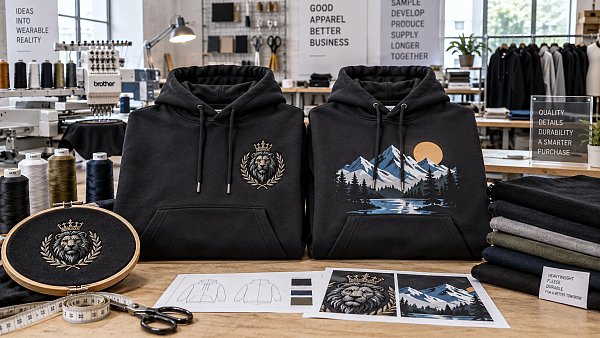
 Garment MfgWhen do bulk embroidered hoodies offer better value than printed ones?Bulk embroidered hoodies deliver lasting value for uniforms and premium branding. Compare durability, design, comfort, and cost to choose the right decoration.Textile Industry AnalystOct 11, 2026