Industry News
Curation by industry experts
Hot Articles
Popular Tags
Wholesale Artificial Plants: Cost vs. Realism
Wholesale Artificial Plants: Cost vs. Realism
For procurement teams, buying wholesale artificial plants is no longer a simple choice between low price and acceptable appearance.
Retailers, hospitality groups, office fit-out contractors, and decor distributors need products balancing unit cost, realism, durability, and supply reliability.
This article examines wholesale artificial plants from a sourcing perspective, covering materials, design details, MOQ strategy, packaging, logistics, and supplier credibility.
What Really Drives the Cost of Wholesale Artificial Plants?
The price of wholesale artificial plants depends on more than size, species, or visible fullness.
Material grade, mold complexity, assembly labor, potting method, packaging density, and order predictability all influence landed cost.
Low-cost wholesale artificial plants often use thinner plastic leaves, simplified stems, repeated leaf patterns, and lightweight bases.
These products may suit seasonal displays, short-term events, budget retail, or high-volume promotional decoration.
Higher-priced wholesale artificial plants usually offer better molds, richer color gradients, wired branches, textured trunks, and heavier cement-filled pots.
Those features raise production cost but reduce returns, complaints, and replacement pressure.
- Material: PE, PVC, silk, polyester, EVA, or mixed constructions.
- Realism: leaf texture, color variation, stem flexibility, and natural asymmetry.
- Structure: detachable trunks, foldable branches, weighted pots, and metal support.
- Compliance: flame retardancy, REACH, Prop 65, or indoor air considerations.
A useful approach is comparing cost per display outcome, not only factory unit price.
A realistic artificial ficus that lasts four seasons may outperform a cheaper replacement item.
How Much Realism Is Necessary for Different Applications?
Not every project requires premium botanical accuracy.
The right realism level depends on viewing distance, lighting conditions, customer expectations, and replacement frequency.
For ceiling greenery, wall panels, and background installations, silhouette and density matter more than leaf-level detail.
For hotel lobbies, showrooms, restaurants, and premium retail, close inspection makes texture and color more important.
Wholesale artificial plants used in office environments should also avoid excessive gloss.
Unnatural shine can look cheap under LED lighting and glass partitions.
Outdoor-style artificial plants need UV stability, stronger stems, and more secure potting.
Without those features, color fading and deformation can quickly undermine perceived quality.
Practical Realism Levels
- Basic: suitable for distant viewing, promotions, or temporary decoration.
- Commercial standard: suitable for offices, stores, cafés, and staged interiors.
- Premium realism: suitable for hospitality, luxury retail, galleries, and client-facing spaces.
When evaluating wholesale artificial plants, always review samples under the final lighting environment if possible.
A sample that looks convincing in daylight may appear artificial under cool commercial LEDs.
Which Materials Offer the Best Balance Between Price and Appearance?
Material choice shapes both the visual result and the commercial risk of wholesale artificial plants.
PE is common for high-realism leaves because it supports detailed molding and natural texture.
PVC is cost-effective and widely used, but it can appear glossier or flatter in budget grades.
Silk and polyester leaves provide soft movement and a traditional decorative look.
However, fabric leaves may collect dust faster and can fray if quality control is weak.
EVA and foam elements appear in succulents, moss, fruit details, and certain tropical designs.
For wholesale artificial plants, mixed-material construction often delivers the strongest cost-performance ratio.
For example, PE leaves paired with metal-wire stems can improve realism without fully premium pricing.
Specification sheets should include material percentages, fire-rating options, colorfastness claims, and care instructions.
Clear documentation makes wholesale artificial plants easier to compare across factories.
How Should MOQ, Packaging, and Logistics Be Evaluated?
MOQ strategy can determine whether wholesale artificial plants remain profitable after freight, storage, and markdowns.
Large artificial trees and potted plants consume container space quickly.
A low factory price may disappear if carton design wastes volume or causes deformation.
For bulky wholesale artificial plants, carton cube, compression tolerance, and branch recovery matter greatly.
Branches should rebound after unpacking, while trunks and pots must resist cracking during transit.
Packaging should protect leaves from crushing, color transfer, moisture, and container heat.
Retail-ready packaging may cost more, but it can reduce warehouse handling and repacking labor.
Key Logistics Questions
- How many pieces fit per carton and per container?
- Can stems be folded without permanent creasing?
- Does the pot need inner protection or foam blocking?
- Is drop-test or vibration-test evidence available?
- Can cartons support stacking during long-distance transit?
For wholesale artificial plants, logistics should be reviewed with product engineering, not treated as a final shipping detail.
Better packaging often protects brand reputation as much as the product itself.
What Supplier Signals Indicate Reliable Quality?
Supplier credibility is critical because visual products depend on consistency across batches.
A sample may look excellent, while mass production varies in color, fullness, or assembly strength.
Reliable suppliers of wholesale artificial plants provide clear specifications, production photos, inspection standards, and packaging mockups.
They can explain leaf count, branch count, pot weight, trunk material, and acceptable tolerance ranges.
Independent inspection before shipment is especially important for large orders of wholesale artificial plants.
Inspection should verify appearance, dimensions, odor, stability, packaging, labeling, and carton condition.
If flame-retardant wholesale artificial plants are required, documentation must match the exact item and production batch.
Generic certificates without product linkage should be treated cautiously.
Quality Control Checklist
- Approved golden sample sealed before bulk production.
- Color reference confirmed using physical swatches or Pantone codes.
- Leaf count and branch count listed in purchase documents.
- Pot weight and anti-tip stability verified.
- Carton labeling aligned with destination requirements.
The strongest sourcing decisions combine factory evaluation with product-specific controls.
This reduces ambiguity when wholesale artificial plants are reordered or customized.
What Common Mistakes Increase Total Cost?
The most common mistake is selecting wholesale artificial plants by photo alone.
Photos may hide scale issues, sparse backsides, glossy surfaces, weak trunks, or unstable pots.
Another mistake is ignoring odor, especially for enclosed commercial interiors and packaged retail goods.
Strong plastic odor can create complaints even when appearance is acceptable.
Over-customization also creates risk.
Exclusive colors, special pots, and unique cartons may raise MOQ and extend lead time.
For wholesale artificial plants, customization should be reserved for clear commercial value.
Small improvements, such as better pot finishing or branch shaping instructions, may deliver stronger returns.
How Can a Sourcing Decision Balance Cost and Realism?
A balanced sourcing decision starts with defining the intended display environment.
Then compare wholesale artificial plants by material, construction, packaging, logistics, and inspection requirements.
Cost should be evaluated as landed cost plus expected handling, returns, replacements, and customer perception.
Realism should be evaluated through samples, lighting tests, stability checks, and side-by-side product comparison.
For large programs, begin with a controlled pilot order before committing to a full container.
Document approved details carefully, including pot finish, branch shape, leaf density, carton strength, and labeling.
The best wholesale artificial plants are not simply the most realistic or the least expensive.
They are the items that fit the use case, price architecture, logistics model, and quality expectations.
Global Supply Review supports smarter sourcing by connecting product evaluation with broader supply-chain intelligence.
Before placing the next order, request comparable samples, calculate landed cost, verify documentation, and define inspection criteria.
That disciplined process turns wholesale artificial plants into a more predictable, margin-protecting category.
Recommended News
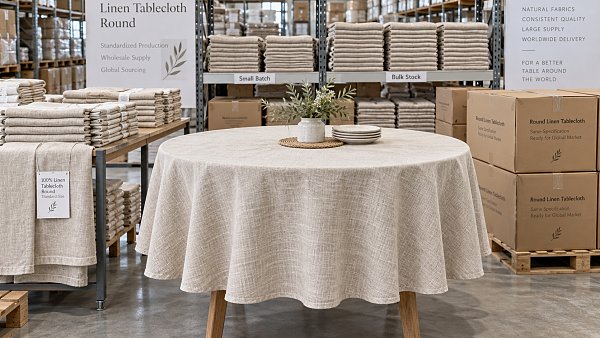
 Home DecorHow order size affects wholesale prices for round linen tableclothsBuying round linen tablecloths wholesale? Discover how order size, freight, and inventory costs affect pricing—and choose the right quantity to maximize real savings.Interior Sourcing LeadOct 14, 2026
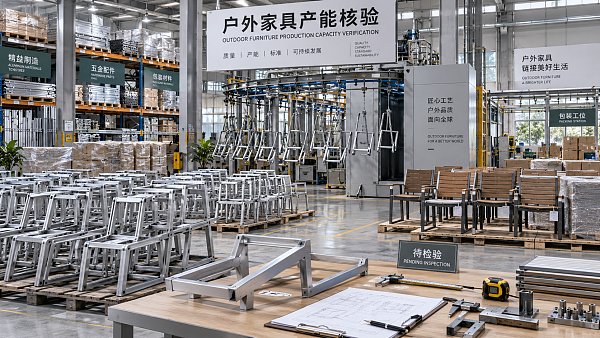
 Outdoor FurnitureHow to verify outdoor furniture manufacturers' production capacityCan outdoor furniture manufacturers deliver on time? Learn how to verify production capacity, uncover bottlenecks, and validate supplier commitments before placing your next order.Interior Sourcing LeadOct 13, 2026
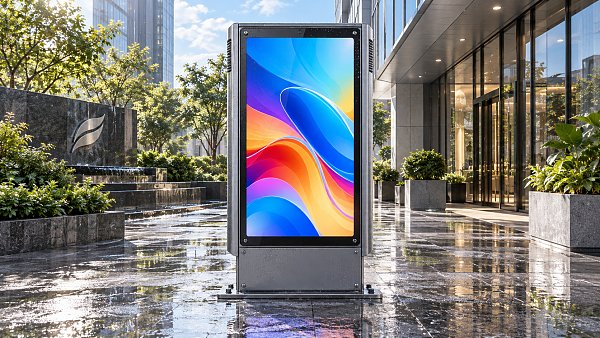
 Commercial DisplaysWhat makes an outdoor digital signage display manufacturer reliable?Discover how to choose a reliable outdoor digital signage display manufacturer with proven weather protection, quality control, smart visibility, and responsive after-sales support.Commercial Tech EditorOct 12, 2026
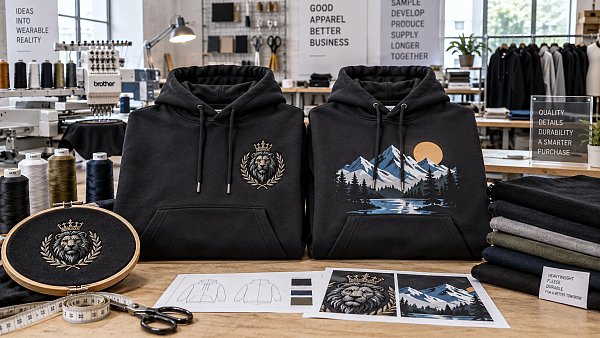
 Garment MfgWhen do bulk embroidered hoodies offer better value than printed ones?Bulk embroidered hoodies deliver lasting value for uniforms and premium branding. Compare durability, design, comfort, and cost to choose the right decoration.Textile Industry AnalystOct 11, 2026