Industry News
Curation by industry experts
Hot Articles
Popular Tags
China Building Materials Federation Releases "Building Materials Industry Steady Growth Work Plan" with Subsidies for International Certifications
China Building Materials Federation Releases "Building Materials Industry Steady Growth Work Plan" with Subsidies for International Certifications
Introduction
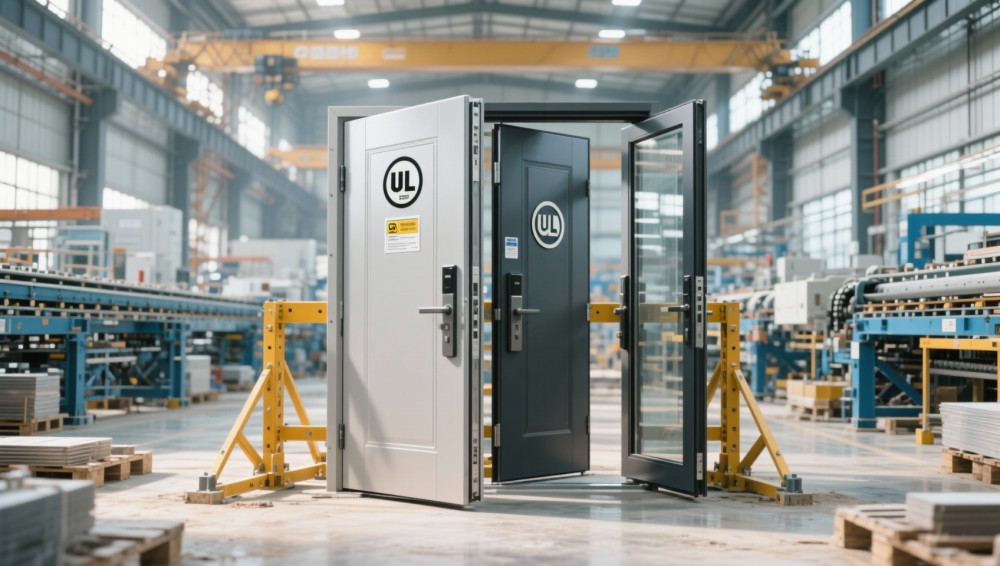
On March 2, 2026, the China Building Materials Federation announced a new "Steady Growth Work Plan" aimed at supporting the building materials industry. A key highlight of the policy is the provision of subsidies of up to 500,000 RMB for companies obtaining major international certifications such as UL, FM, ASTM, and EN. This move is expected to significantly reduce costs and processing times for Chinese fire doors, flame-retardant insulation panels, seismic supports, and other products seeking access to markets in Europe, North America, and Australia. The policy is particularly relevant for manufacturers, exporters, and supply chain stakeholders in the fireproofing and seismic-resistant materials sectors.
Event Overview
The China Building Materials Federation officially released the "Building Materials Industry Steady Growth Work Plan" on March 2, 2026. The plan includes financial incentives for companies obtaining internationally recognized certifications, along with the establishment of a "green channel" to expedite certification processes. This initiative is designed to enhance the global competitiveness of Chinese building materials, particularly in safety-critical product categories.
Impact on Key Sub-Sectors
1. Fireproofing Material Manufacturers
Producers of fire doors, flame-retardant panels, and related products will benefit directly from reduced certification costs. The policy effectively lowers the barrier to entry for Western markets where UL and FM certifications are often mandatory.
2. Seismic Construction Component Suppliers
Manufacturers of seismic supports, hangers, and other earthquake-resistant building materials gain improved access to markets with strict ASTM/EN compliance requirements. The subsidy could make Chinese products more price-competitive against counterparts from South Korea or Southeast Asia.
3. Export-Oriented Trading Companies
Distributors specializing in欧美澳市场 will see reduced lead times when qualifying new suppliers. The standardized certifications minimize the need for redundant quality verification processes.
Key Action Points for Industry Players
Prioritize Certification-Ready Product Lines
Manufacturers should audit existing product portfolios to identify items with highest certification potential based on current technical specs and target markets.
Monitor Green Channel Implementation
The practical efficiency of the expedited certification process warrants verification. Companies should track actual processing times through early-adopter case studies.
Reassess Pricing Strategies for Export Markets
With lowered compliance costs, businesses may recalibrate export pricing to enhance competitiveness while maintaining margins.
Industry Perspective
From an industry standpoint, this policy appears strategically timed to counter increasing trade barriers in Western markets. While the subsidies provide immediate financial relief, the longer-term value lies in institutionalizing international compliance standards across China's building materials sector. However, the actual impact will depend on implementation details yet to be disclosed, including subsidy allocation mechanisms and green channel operational protocols.
Conclusion
The "Steady Growth Work Plan" represents a targeted effort to upgrade China's building materials industry through international standardization. For global buyers, it signals improved accessibility to compliant Chinese safety products. Industry participants should view this as both a cost-reduction opportunity and a catalyst for operational upgrades to meet rigorous certification requirements. The policy's effectiveness will become clearer as implementation progresses through 2026.
Source Information
Primary Source: Official announcement by China Building Materials Federation on March 2, 2026.
Pending Verification: Specific implementation rules and subsidy disbursement timelines are awaiting further official releases.
Recommended News
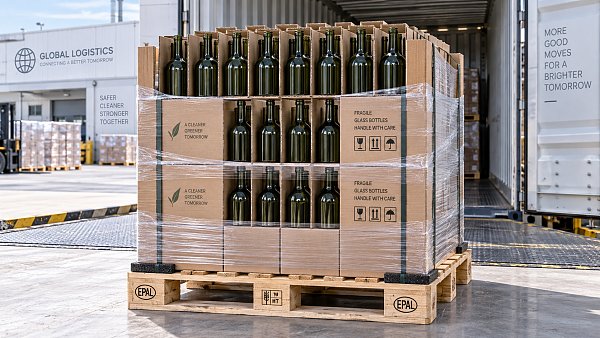
 Carton & PlasticsWhat drives breakage rates in bulk wine bottles wholesale orders?Bulk wine bottles wholesale buyers: discover what drives breakage rates, from glass quality and packaging to pallet loading, and reduce costly claims.Packaging Supply ExpertSep 27, 2026
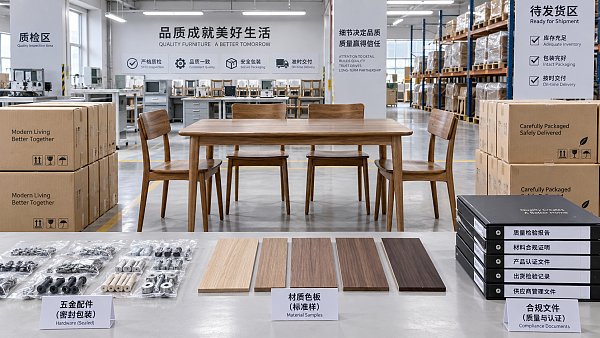
 Office FurnitureHow supplier scorecards reduce risk in furniture procurementFurniture procurement supplier management becomes more resilient with supplier scorecards that track quality, delivery, compliance, and corrective actions. Learn how to reduce sourcing risk.Interior Sourcing LeadSep 26, 2026
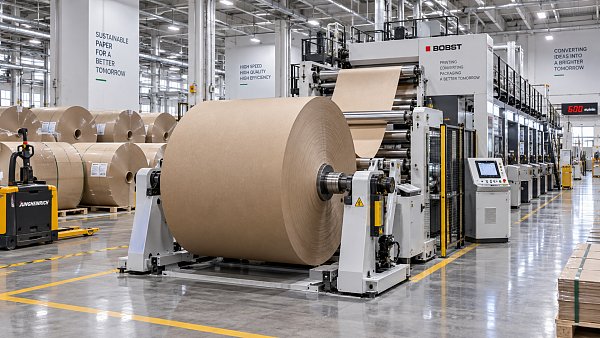
 Office Paper & Printing PaperHow roll diameter affects downtime when using jumbo paper rollsJumbo paper rolls can cut changeovers and downtime—if your unwinder, handling, and tension control can support them. Find the optimal roll diameter for smoother output.Packaging Supply ExpertSep 25, 2026
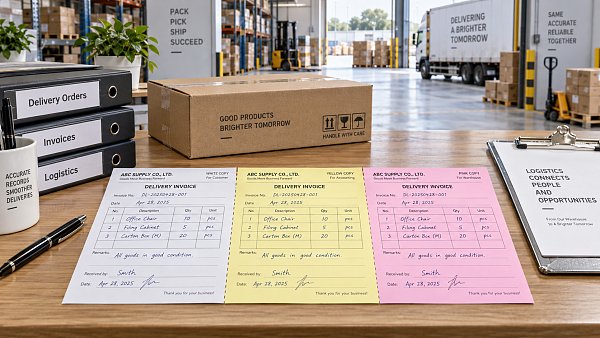
 Office Paper & Printing PaperWhen does carbonless paper for invoices reduce billing errors?Carbonless paper for invoices reduces billing errors by creating clear, consistent copies for deliveries, service calls, and approvals. Learn when it strengthens billing control.Packaging Supply ExpertSep 24, 2026