Industry News
Curation by industry experts
Hot Articles
Popular Tags
China's Building Materials Industry Prosperity Index Rises to 129.8 Points in March 2026: Production Surges but Prices Remain Low
China's Building Materials Industry Prosperity Index Rises to 129.8 Points in March 2026: Production Surges but Prices Remain Low

Introduction
On March 26, 2026, the China Building Materials Federation released data showing the MPI (Materials Prosperity Index) reached 129.8 points, firmly in the expansion zone. The production index surged by 46.0 points month-on-month to 130.7 points, signaling robust post-Lunar New Year resumption across domestic manufacturers. However, the price index remained subdued at 99.6 points. This divergence highlights China's accelerated export capacity restoration (with stable 25-35 day lead times) while maintaining competitive pricing—a critical development for infrastructure developers in Southeast Asia and the Middle East procuring bulk materials.
Event Overview
Key confirmed data points from the March 2026 MPI report:
- Overall MPI: 129.8 points (above 100 indicates expansion)
- Production Index: 130.7 points, +46.0 points MoM
- Price Index: 99.6 points (below 100 indicates contraction)
- Average export delivery time: 25-35 days
Impact on Key Sub-Sectors
1. Export-Oriented Manufacturers
Analysis shows production capacity has rebounded to pre-holiday levels faster than domestic demand recovery. With stable lead times but low prices, manufacturers should prioritize:
- Locking in long-term contracts with overseas buyers
- Optimizing production for high-demand export categories (e.g., cement, glass, ceramic tiles)
2. International Procurement Teams
The current 99.6 price index creates a strategic sourcing window for:
- Middle Eastern megaproject contractors
- Southeast Asian infrastructure developers
- Global trading firms building inventory
3. Logistics Providers
With stabilized 25-35 day lead times, freight forwarders should:
- Monitor capacity allocation on China-Middle East routes
- Prepare for bulk shipments of construction materials
Actionable Insights for Industry Players
1. Monitor Price Index Trends
The current 99.6 reading suggests prices may rise once domestic demand fully recovers. Importers should consider forward contracts.
2. Verify Actual Capacity
While the production index shows recovery, buyers should still:
- Confirm factory production schedules
- Inspect inventory levels at key export hubs
3. Prepare for Supply Chain Adjustments
Exporters may shift focus from domestic to international markets if price pressures persist.
Industry Perspective
From an industry standpoint, this MPI report signals:
- A production recovery outpacing demand growth
- Sustained competitive advantage in global markets
- Potential margin pressures for manufacturers
The data reflects temporary post-holiday rebalancing rather than structural market changes.
Conclusion
The March 2026 MPI indicates China's building materials sector has regained production momentum while maintaining export competitiveness. International buyers currently benefit from both available capacity and favorable pricing, though this window may narrow as domestic demand recovers. Industry participants should treat this as a time-sensitive procurement opportunity rather than a permanent market condition.
Source Information
Primary Source: China Building Materials Federation MPI Report (March 26, 2026)
Note: Subsequent price index movements and domestic demand recovery rates require ongoing monitoring.
Recommended News
 Carton & PlasticsHow to assess seam quality in 250ml aluminum beverage cansLearn how to assess seam quality in 250ml aluminum beverage cans with practical visual checks, precise measurements, teardown methods, and defect-control guidance.Packaging Supply ExpertSep 28, 2026
 Carton & PlasticsWhat drives breakage rates in bulk wine bottles wholesale orders?Bulk wine bottles wholesale buyers: discover what drives breakage rates, from glass quality and packaging to pallet loading, and reduce costly claims.Packaging Supply ExpertSep 27, 2026
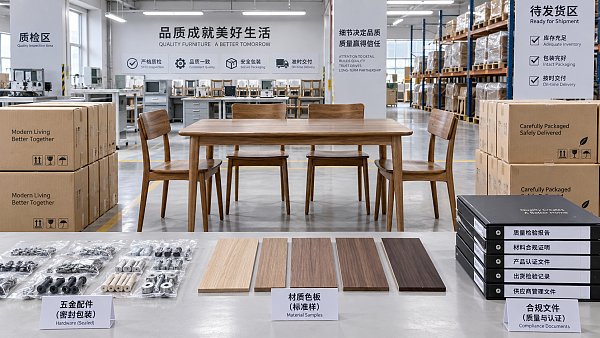
 Office FurnitureHow supplier scorecards reduce risk in furniture procurementFurniture procurement supplier management becomes more resilient with supplier scorecards that track quality, delivery, compliance, and corrective actions. Learn how to reduce sourcing risk.Interior Sourcing LeadSep 26, 2026
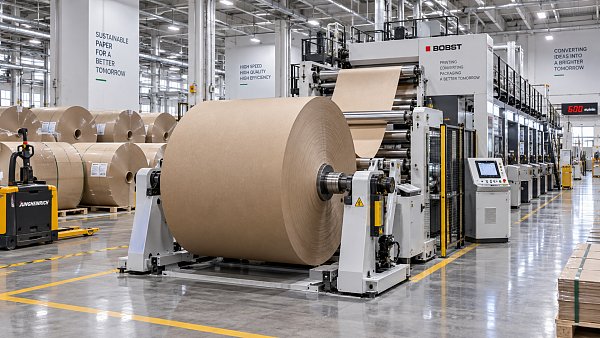
 Office Paper & Printing PaperHow roll diameter affects downtime when using jumbo paper rollsJumbo paper rolls can cut changeovers and downtime—if your unwinder, handling, and tension control can support them. Find the optimal roll diameter for smoother output.Packaging Supply ExpertSep 25, 2026