Industry News
Curation by industry experts
Hot Articles
Popular Tags
Heavy Duty Hinges Price in 2026: What Drives Cost
For 2026 sourcing plans, understanding the heavy duty hinges price is no longer a simple quote comparison. Steel and stainless costs, hinge load class, finishing, testing, tooling, and export logistics all affect the final number. A low unit price can hide shorter service life, weaker corrosion resistance, or added compliance expense. This guide explains what drives heavy duty hinges price levels and how to evaluate cost with better accuracy.
Why a Checklist Matters for Heavy Duty Hinges Price Decisions
Heavy duty hinges are used in doors, cabinets, gates, enclosures, industrial equipment, transport units, and outdoor structures. Each use case changes the acceptable material, cycle life, safety margin, and surface protection.
That is why the heavy duty hinges price can vary sharply between products that look similar in a catalog. A checklist helps separate real value from hidden cost and prevents under-specification or overbuying.
Core Checklist: What Drives Heavy Duty Hinges Price in 2026
- Define the load requirement clearly, including static weight, dynamic shock, opening frequency, and door size, because heavier duty ratings increase material use, pin diameter, and machining complexity.
- Compare material grades carefully, since carbon steel, 304 stainless, 316 stainless, brass, and alloy options create very different heavy duty hinges price outcomes and durability profiles.
- Check the hinge construction method, because forged, cast, stamped, welded, and CNC-machined designs carry different tooling costs, tolerances, and long-term strength characteristics.
- Review surface treatment specifications, including powder coating, zinc plating, nickel plating, passivation, or electrophoresis, as corrosion protection often adds meaningful cost per unit.
- Confirm cycle life testing requirements before comparing quotes, because hinges validated for higher opening cycles often require tighter tolerances, better bearings, and stronger pins.
- Verify whether bearings, bushings, grease channels, or friction-control components are included, since these features improve motion and service life but raise the heavy duty hinges price.
- Assess dimensional tolerances and fit-up accuracy, because tighter hole positions, leaf flatness, and pin alignment usually increase scrap control, inspection time, and production cost.
- Include certification and compliance needs early, such as salt spray performance, fire-door requirements, RoHS, REACH, or sector-specific testing that adds validation expense.
- Measure tooling and customization charges separately, especially for non-standard hole patterns, logo marking, special knuckles, or unique mounting geometry in custom projects.
- Track order volume and packaging format, because small batches, mixed models, retail packs, and barcode labeling can shift the effective heavy duty hinges price upward.
- Study supplier location and freight exposure, since labor rates, energy costs, port charges, tariffs, and inland transport all influence delivered cost, not just ex-works price.
- Calculate total cost of ownership instead of unit price alone, factoring in installation time, maintenance intervals, replacement frequency, and risk of field failure.
Key Cost Components Behind 2026 Pricing Trends
Raw Materials
Material remains one of the biggest drivers of heavy duty hinges price. Stainless steel usually costs more than plain carbon steel, especially when corrosion resistance is essential.
In 2026, price pressure may come from nickel, chromium, and energy inputs. Even small alloy shifts can change unit cost when hinge bodies are thick or oversized.
Manufacturing Complexity
Simple stamped hinges are cheaper than precision-machined or forged designs. Weld quality, pin pressing, knuckle alignment, and secondary drilling all add labor and inspection steps.
If the product needs concealed mounting, detent positioning, lift-off design, or greaseable joints, the heavy duty hinges price rises because process control becomes stricter.
Finishing and Durability Protection
Outdoor and marine exposure require better corrosion resistance. Coating thickness, pretreatment quality, and post-finish inspection can represent a major share of the final hinge cost.
A cheaper finish may save money upfront but create rust claims, warranty returns, or premature replacement. That trade-off should be evaluated before approving the quote.
How Heavy Duty Hinges Price Changes by Application
Industrial Doors and Equipment Panels
In machinery housings and industrial access panels, the heavy duty hinges price often reflects cycle life and alignment stability more than decorative appearance. Tolerance control matters here.
Hinges for vibrating equipment may need reinforced pins or welded assemblies. That increases cost, but it reduces field loosening and service interruption.
Gates, Trailers, and Outdoor Enclosures
For gates and transport-related hardware, corrosion protection and shock loading become major pricing factors. Galvanized or stainless options usually carry a visible premium.
Large-format hinges also require thicker leaves and stronger weld points. In these cases, the heavy duty hinges price reflects both metal mass and structural safety.
Commercial Furniture and Storage Units
For storage cabinets, workstations, and large utility boxes, cost is often shaped by finish consistency, installation speed, and packaging. Unit price may be lower, but accessory requirements add up.
If branding, barcode packs, or mixed-SKU shipments are required, the effective heavy duty hinges price can exceed the base quote by a meaningful margin.
Commonly Overlooked Cost Risks
- Ignore testing gaps. A low quote without cycle, load, or salt spray data can create expensive failures after installation or export inspection.
- Miss packaging costs. Bulk pack, pair pack, hardware kit inclusion, and labeled cartons can change the delivered heavy duty hinges price noticeably.
- Underestimate tooling amortization. Custom dies and fixtures may look manageable at forecast volume, but become costly when orders are delayed or split.
- Assume all stainless is equal. Grade differences between 201, 304, and 316 affect corrosion resistance, service life, and real long-term value.
- Overlook freight density. Heavy hinges add shipping weight quickly, so logistics can distort the final landed cost more than expected.
- Skip installation review. Difficult mounting access or inconsistent hole spacing can increase labor time and erase savings from a lower hinge price.
Practical Execution Tips for Better Cost Control
Start with a technical specification sheet, not only a target price. Include door weight, dimensions, opening angle, cycles, environment, finish, and compliance requirements.
Ask for pricing in layers. Separate base hinge cost, finish cost, tooling, packaging, test fees, and freight assumptions. This makes heavy duty hinges price comparisons much cleaner.
Request sample validation before volume commitment. A short mechanical and corrosion review can expose hidden weaknesses that spreadsheets will not show.
Standardize where possible. Reducing unnecessary hole-pattern variation or finish diversity often lowers tooling charges and improves reorder consistency.
Monitor commodity movement and lead-time trends quarterly. In many supply chains, the best time to lock the heavy duty hinges price is before material volatility passes through supplier quotations.
Conclusion and Next-Step Action
The 2026 heavy duty hinges price will be shaped by far more than metal weight. Load demands, material grade, finish durability, testing scope, customization, and logistics all influence the final figure.
A disciplined checklist approach helps compare quotes on equal terms, reduce sourcing risk, and protect lifecycle value. The next step is simple: define the application, separate each cost element, and validate performance before approving volume orders.
For global sourcing decisions, the best result comes from treating heavy duty hinges price as a technical and commercial equation together, not as a standalone number.
Recommended News
 Eco PackagingWhat affects the price of kraft paper rolls bought wholesale?Kraft paper rolls wholesale pricing depends on grade, basis weight, roll size, order volume, freight, and certifications. Learn how to compare landed costs and choose reliable value.Packaging Supply ExpertOct 03, 2026
 Commercial LEDHow to evaluate a canopy lights factory before placing a bulk orderCanopy lights factory evaluation guide: verify specifications, compliance, quality control, capacity, and after-sales support before placing a bulk order.Commercial Tech EditorOct 02, 2026
 Commercial LEDHow to choose lighting systems that meet workplace safety needsLighting systems for workplace safety: learn how to control glare, improve visibility, meet environmental demands, and protect workers with reliable, compliant lighting choices.Commercial Tech EditorOct 01, 2026
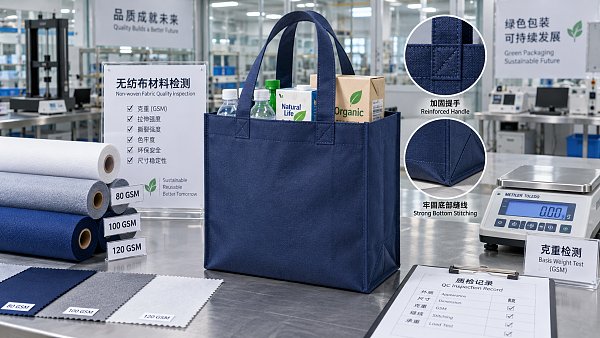
 Fabrics & YarnsWhat fabric weight works best for reusable non woven fabric bags?Non woven fabric for bags: discover the best GSM range for durability, load capacity, print quality, and cost-effective reusable bag sourcing.Textile Industry AnalystSep 30, 2026