Industry News
Curation by industry experts
Hot Articles
Popular Tags
Stainless Steel Fasteners for Construction: Cost vs Durability in 2026
In 2026, stainless steel fasteners for construction sit at the center of a sharper cost debate.
Price pressure remains real, yet so do corrosion risks, warranty exposure, and stricter performance expectations.
The core issue is no longer simple unit price comparison.
It is whether stainless steel fasteners for construction reduce lifetime expense through fewer failures, lower maintenance, and longer service intervals.
That question matters across commercial buildings, infrastructure, modular systems, façades, roofing, and exterior assemblies.
When exposure conditions are severe, the cheapest fastener often becomes the most expensive line item later.
2026 signals a wider shift from upfront fastener cost to lifecycle accountability
Construction specifications are moving toward traceable durability, not only initial procurement savings.
This shift is especially visible in coastal projects, public infrastructure, energy facilities, and high-moisture interior zones.
In these settings, stainless steel fasteners for construction are increasingly evaluated against risk-adjusted total cost.
Insurance concerns, inspection standards, and longer design life targets all strengthen that trend.
As a result, buyers are asking different questions.
- How many maintenance cycles can be avoided?
- What is the failure consequence if corrosion starts early?
- Does the fastener support compliance and warranty documentation?
- Will substitution create hidden labor or replacement costs?
Why stainless steel fasteners for construction are gaining stronger value support
Several market forces explain why durable fastening systems are receiving more attention in 2026.
These pressures do not mean every assembly needs premium stainless grades.
They mean fastener selection must match environment, load, contact materials, and expected maintenance access.
The cost gap remains visible, but the durability gap can be much larger
Carbon steel and coated alternatives still offer lower purchase prices in many categories.
For dry indoor applications, that difference may be justified.
However, in exposed construction assemblies, the economics often reverse over time.
Stainless steel fasteners for construction resist rust staining, thread seizure, and section loss better than many lower-cost options.
That durability influences more than replacement frequency.
- Access equipment may be needed for future repairs.
- Occupied sites may face disruption during replacement work.
- Adjacent materials can be damaged by corrosion runoff.
- Inspection failures may trigger urgent corrective action.
In other words, the hidden cost around a failed fastener is often far greater than the fastener itself.
Grade selection is where cost versus durability becomes practical
Not all stainless performs the same.
Common choices such as 304 and 316 serve different risk profiles.
Paying for 316 in a low-risk interior may waste budget.
Choosing 304 in a saline environment may create future liability.
Where the impact is felt across construction workflows
The value of stainless steel fasteners for construction appears differently across project stages.
During design, the material supports service-life planning and clearer specification language.
During installation, quality threads and consistent tolerances can reduce fit issues and site delays.
During operation, corrosion resistance lowers the need for frequent intervention.
For retrofit work, durable fasteners also reduce the chance of invasive reopening later.
- Façade systems benefit from appearance retention and lower staining risk.
- Roofing and cladding benefit from weather resistance and fewer callbacks.
- Timber and treated lumber interfaces need attention to compatibility.
- Infrastructure zones gain from reduced inspection-triggered repairs.
The smartest decisions in 2026 are application-led, not price-led
A better decision model starts with exposure mapping.
If moisture, salts, chemicals, or galvanic contact are likely, stainless steel fasteners for construction deserve stronger consideration.
If the assembly is concealed or hard to access later, durability should carry even more weight.
If replacement is easy and conditions are stable, lower-cost alternatives may remain efficient.
Key points worth checking before final selection
- Actual environmental exposure, not assumed exposure
- Required service life of the full assembly
- Compatibility with aluminum, treated wood, and coated metals
- Mechanical load, vibration, and thermal movement conditions
- Documentation for grade, standards, and batch traceability
- Future labor cost if replacement becomes necessary
A practical framework for judging cost versus durability
The most useful comparison is not stainless versus non-stainless in isolation.
It is installed cost plus maintenance risk plus consequence of failure.
The more high-risk answers appear, the stronger the case for stainless steel fasteners for construction.
What deserves close attention over the next planning cycle
Three priorities stand out for 2026 budgeting and specification review.
- Separate commodity fasteners from critical exposure fasteners.
- Use lifecycle assumptions, not only catalog pricing.
- Confirm grade authenticity and technical documentation early.
This approach protects budgets without over-specifying every connection point.
It also supports more credible value discussions when cost scrutiny increases.
A stronger next step starts with evidence, not assumptions
For 2026 projects, the best path is to review fastener categories by exposure, accessibility, and consequence of failure.
Then compare stainless steel fasteners for construction against alternatives using total installed value over time.
That method turns a material debate into a measurable asset decision.
Global Supply Review tracks these material shifts to help sourcing and specification choices stay aligned with real market risk.
In the current environment, durability is not a premium story alone.
It is increasingly a cost-control strategy backed by service-life logic.
Recommended News
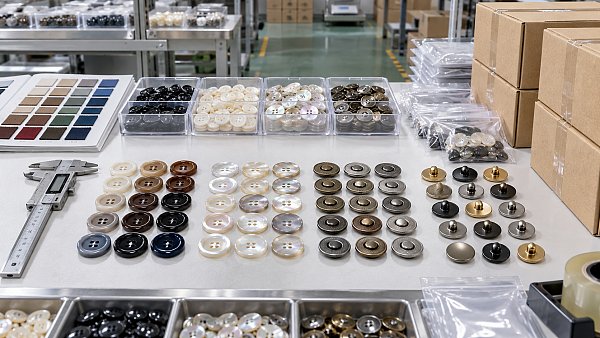
 Garment MfgWhat drives unit costs when buying garment buttons wholesale?Garment buttons wholesale costs depend on material, tooling, finish, MOQ, quality, packing, and freight. Learn how to compare true landed costs and source reliably.Textile Industry AnalystOct 06, 2026
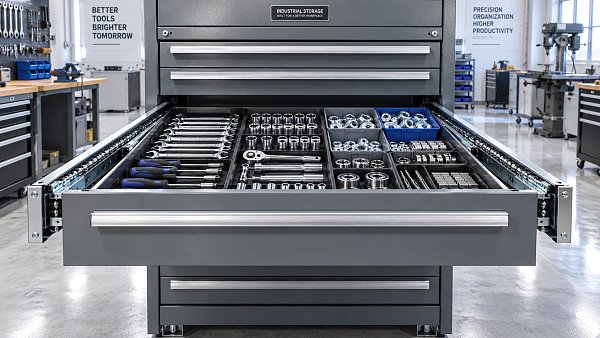
 Building HardwareWhat load rating should you specify for wholesale ball bearing slides?Wholesale ball bearing slides: learn how to specify the right load rating for drawer weight, extension, mounting, and durability. Source smarter and reduce failures.Tooling & Hardware LeadOct 05, 2026
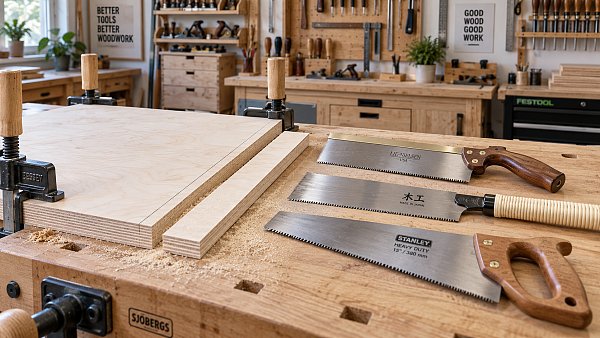
 Hand & Power ToolsHow to choose a hand saw for woodworking without tear-outHand saw for woodworking guide: choose the right tooth pattern, blade, and technique to achieve clean, precise cuts with less tear-out. Explore practical buying tips.Tooling & Hardware LeadOct 04, 2026
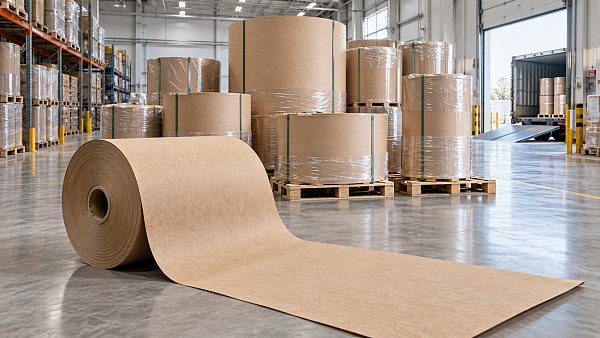
 Eco PackagingWhat affects the price of kraft paper rolls bought wholesale?Kraft paper rolls wholesale pricing depends on grade, basis weight, roll size, order volume, freight, and certifications. Learn how to compare landed costs and choose reliable value.Packaging Supply ExpertOct 03, 2026