Industry News
Curation by industry experts
Hot Articles
Popular Tags
Fire-Resistant Technical Textiles: What Matters Most in Safety-Critical Uses
In safety-critical environments, choosing fire-resistant technical textiles is never just about meeting a basic specification. The real decision points are thermal stability, flame behavior, mechanical durability, chemical exposure tolerance, and documented compliance under realistic service conditions. When failure can lead to injury, downtime, or liability, material selection must be disciplined, evidence-based, and closely tied to the actual use case.
Why a Checklist Approach Matters
Fire performance claims can look similar on paper, yet behave very differently in service. A checklist helps compare fire-resistant technical textiles beyond marketing language and keeps evaluation focused on measurable risk factors.
This matters across the broader industrial economy, from protective apparel and transport interiors to insulation systems, welding barriers, filtration media, and composite reinforcement layers. In each case, the textile is part of a larger safety system.
Core Checklist for Fire-Resistant Technical Textiles
- Confirm the hazard first. Define whether the textile must resist flame spread, radiant heat, molten splash, flash fire, or prolonged high-temperature exposure.
- Verify the fiber chemistry. Distinguish inherently flame-resistant fibers from chemically treated fabrics, because long-term performance and maintenance response can differ significantly.
- Check the operating temperature range. Review continuous and peak temperature limits, plus shrinkage, embrittlement, or char formation under repeated thermal cycling.
- Match the standard to the application. Test reports should align with sector requirements such as EN, ISO, NFPA, ASTM, FAR, or transportation-specific fire codes.
- Review full test data, not pass statements alone. Look at afterflame time, afterglow, heat transfer, smoke generation, and dripping or melting behavior.
- Measure durability under stress. Evaluate tensile strength, tear resistance, seam integrity, abrasion performance, and flex fatigue after fire and laundering tests.
- Assess coating and finish stability. Surface treatments can improve flame resistance, but they may crack, wash out, off-gas, or degrade with UV and chemicals.
- Examine smoke and toxicity risk. In enclosed spaces, low flame spread alone is not enough if combustion byproducts create visibility loss or toxic exposure.
- Evaluate compatibility with the assembly. The substrate, adhesive, foam, fastener, and backing can all change the final fire performance of the textile system.
- Validate supply consistency. Fire-resistant technical textiles need stable batch quality, traceable raw materials, and repeatable finishing controls across production runs.
What Material Performance Usually Decides the Outcome
Inherent resistance versus treated resistance
One of the most important distinctions in fire-resistant technical textiles is whether the resistance is built into the fiber or added later through finishing. Aramid, modacrylic blends, oxidized PAN, silica, glass fiber, and certain high-performance blends offer different balances of heat resistance, strength, weight, and comfort.
Treated cotton or blended fabrics may satisfy some standards at lower cost, but repeated laundering, abrasion, or contamination can reduce protection if the chemistry is not durable. The better choice depends on lifecycle exposure, not just initial certification.
Thermal behavior under real conditions
A fabric can pass a vertical flame test and still be unsuitable for continuous heat. For safety-critical uses, compare ignition resistance with dimensional stability, insulating performance, and post-exposure integrity. A textile that shrinks aggressively may expose adjacent materials or create fit failure.
This is why application-specific testing matters. Fire curtains, welding blankets, aircraft interior fabrics, and heat shields do not face the same energy profile or failure mode.
Application Notes by Use Scenario
Protective clothing and PPE components
For wearable systems, fire-resistant technical textiles must balance protection with flexibility, breathability, and seam performance. Heat blocking is critical, but stiffness, bulk, and moisture management also affect safe use over long shifts.
Layer interaction matters as much as fabric selection. Outer shell, moisture barrier, and thermal liner should be tested as a system, especially where flash fire or arc exposure is relevant.
Transport interiors and enclosed public spaces
In rail, aviation, marine, and bus interiors, low flame spread is only one requirement. Smoke density, toxicity, melting behavior, and installation geometry can be decisive. A coated upholstery fabric may perform differently once laminated to foam or mounted over a panel.
Documentation should therefore cover the final construction, not only the face fabric. This is a common compliance gap in transport-facing textile projects.
Industrial insulation, barriers, and high-heat process zones
In furnaces, metalworking lines, power systems, and thermal processing plants, fire-resistant technical textiles often serve as curtains, covers, expansion joints, removable insulation jackets, or spark barriers. Here, continuous temperature tolerance and resistance to particulates or molten splash are often more important than softness or appearance.
Glass fiber, silica, and coated high-temperature fabrics may fit these uses, but handling strength and edge treatment should also be checked. Heat resistance alone does not guarantee service life.
Commonly Overlooked Risks
- Assuming certification transfers across constructions. A change in weave, weight, coating, colorant, or backing can alter the fire result.
- Ignoring maintenance exposure. Cleaning agents, oils, hydraulic fluids, and repeated laundering may weaken treatment-based fire performance.
- Focusing only on flame spread. Smoke toxicity, thermal shrinkage, and molten behavior may create the larger real-world hazard.
- Missing mechanical end-of-life signs. Cracking coatings, fiber dusting, seam slippage, and embrittlement can appear before visible burn damage.
- Treating samples as representative of supply. Without batch traceability and quality control data, one approved sample proves very little.
Practical Execution Steps
Start with a written hazard profile. Define ignition source, exposure duration, maximum temperature, mechanical stress, cleaning regime, and expected service life. This prevents over-specifying in low-risk areas and under-specifying in critical ones.
Then request a technical file for each candidate material. It should include fiber composition, basis weight, construction type, coating details, applicable standards, test laboratory references, and performance retention after aging or washing.
Next, evaluate fire-resistant technical textiles in the final assembly whenever possible. Adhesives, foams, scrims, and hardware can change the result. Small-scale validation should reflect realistic installation and maintenance conditions.
Finally, build control points into sourcing and approval. Keep retained samples, define requalification triggers, and check whether any raw material substitution affects compliance or long-term thermal behavior.
Conclusion and Next Action
The best fire-resistant technical textiles are not simply the ones with the strongest claim or the highest heat number. They are the ones that match the actual hazard, retain performance through service life, and remain compliant as part of the full product assembly.
Use a checklist-led review, compare test evidence carefully, and validate durability under realistic conditions. That approach reduces selection risk, supports defensible compliance decisions, and improves safety where textile performance truly matters.
Recommended News
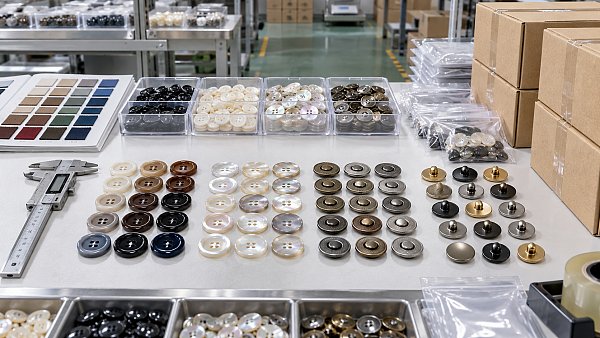
 Garment MfgWhat drives unit costs when buying garment buttons wholesale?Garment buttons wholesale costs depend on material, tooling, finish, MOQ, quality, packing, and freight. Learn how to compare true landed costs and source reliably.Textile Industry AnalystOct 06, 2026
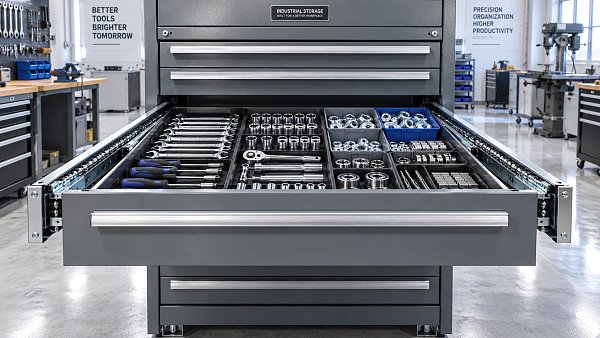
 Building HardwareWhat load rating should you specify for wholesale ball bearing slides?Wholesale ball bearing slides: learn how to specify the right load rating for drawer weight, extension, mounting, and durability. Source smarter and reduce failures.Tooling & Hardware LeadOct 05, 2026
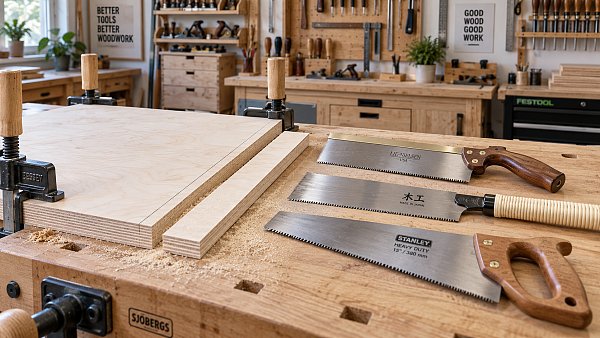
 Hand & Power ToolsHow to choose a hand saw for woodworking without tear-outHand saw for woodworking guide: choose the right tooth pattern, blade, and technique to achieve clean, precise cuts with less tear-out. Explore practical buying tips.Tooling & Hardware LeadOct 04, 2026
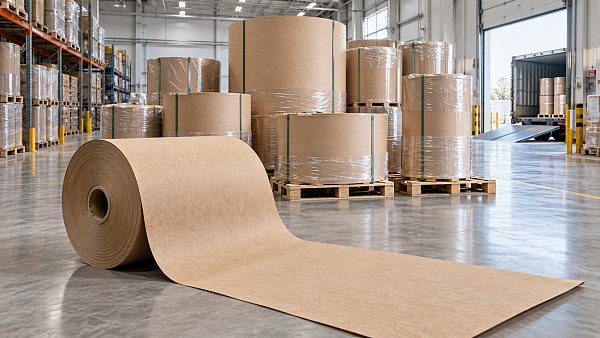
 Eco PackagingWhat affects the price of kraft paper rolls bought wholesale?Kraft paper rolls wholesale pricing depends on grade, basis weight, roll size, order volume, freight, and certifications. Learn how to compare landed costs and choose reliable value.Packaging Supply ExpertOct 03, 2026