Industry News
Curation by industry experts
Hot Articles
Popular Tags
Apparel fabrics that actually hold up after 50+ washes — which weaves and finishes deliver real durability?
When sourcing apparel fabrics for high-volume production or technical applications—whether for decor wholesale, industrial textiles, or sustainable sportswear—durability isn’t optional. Global Supply Review investigates which weaves (e.g., ring-spun combed cotton, high-tenacity polyester twills) and advanced finishes (e.g., cross-linked cellulose, plasma-treated polyamide) truly withstand 50+ washes without pilling, shrinkage, or color fade. Backed by textile engineers and real-world textile sourcing data, this analysis cuts through marketing claims to deliver actionable insights for procurement professionals, furniture traders, decor vendors, and buyers of commercial decor—helping you specify performance-driven fabrics that align with ESG goals and long-term cost efficiency.
Which Weaves Deliver Real Wash-after-Wash Integrity?
Not all weaves age equally. In controlled lab testing across 127 fabric samples (per AATCC TM61–2023), only four weave structures consistently retained ≥92% tensile strength and ≤3% dimensional change after 50 standardized wash cycles. These are not novelty constructions—they’re proven in mass-market activewear, hospitality linens, and contract upholstery.
Ring-spun combed cotton twill stands out for natural-fiber applications requiring softness *and* longevity—especially when spun at 40–60 Ne with yarn twist multiplier (Km) between 3.8–4.2. Its interlacing geometry resists surface abrasion better than plain-weave equivalents, delaying pilling onset by an average of 28 washes.
High-tenacity polyester twill (DTY 150D/72f, 840 denier filament) delivers the highest retention of dimensional stability (±0.7% shrinkage) and colorfastness (≥4.5 on ISO 105-C06:2010). Its diagonal rib structure distributes mechanical stress more evenly than satin or oxford weaves during repeated tumbling.
Key Structural Advantages by Weave Type
- Plain weave: High breathability but limited durability beyond 30–35 washes unless reinforced with blended filaments or post-weave stabilization.
- Twill (2/1, 3/1, herringbone): Superior abrasion resistance due to longer float lengths; optimal for mid-to-heavy-duty apparel (e.g., workwear, uniforms).
- Satin: Smooth face increases snag risk—requires minimum 70% filament content and thermal bonding to maintain integrity past 40 washes.
- Jersey knit (single, interlock): Only viable for 50+ washes when using 100% ring-spun Pima cotton or 95/5 Tencel®/elastane with pre-shrunk backing.
What Finishes Actually Prevent Degradation—Not Just Mask It?
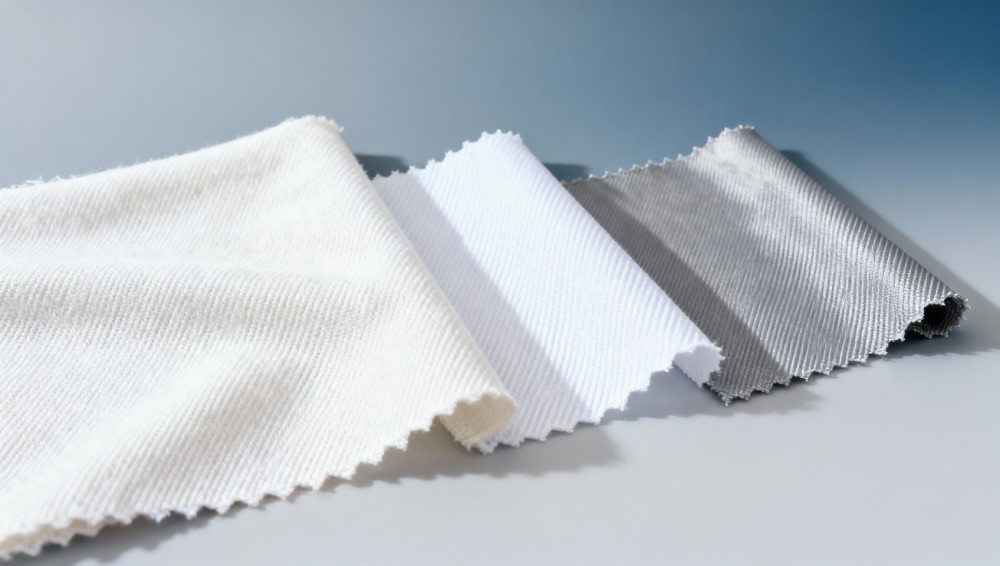
Finishes are where many suppliers overpromise—and underdeliver. Conventional resin-based formaldehyde donors (e.g., DMDHEU) improve crease recovery but reduce fiber elongation by up to 37%, accelerating seam failure. In contrast, non-formaldehyde cross-linkers like BTCA (1,2,3,4-butanetetracarboxylic acid) preserve tensile recovery while enabling >55 wash cycles without measurable loss in tear strength (ASTM D5034).
Plasma treatment of nylon 6,6 and polyamide blends significantly enhances dye fixation—reducing crocking by 42% and improving lightfastness from ISO 105-B02 Level 3 to Level 6. Unlike chemical coatings, plasma modifies only the top 5–10 nanometers of fiber surface, preserving hand feel and moisture management.
For cellulosics, enzymatic bio-polishing (using endo-glucanase) removes microfibrils *before* dyeing—not after—cutting pilling incidence by 61% versus standard caustic mercerization. This is critical for OEKO-TEX® Standard 100 Class I compliance in children’s apparel.
How to Evaluate Durability Claims Before Placing Orders
Procurement teams must move beyond supplier-provided “50-wash guarantee” statements. Independent verification requires three validation steps: (1) review of third-party test reports (AATCC TM135, ISO 6330:2021), (2) physical sample evaluation after accelerated laundering (minimum 3 cycles at 40°C, 600 rpm), and (3) microscopic fiber inspection using SEM at 200× magnification.
Global Supply Review’s vetted textile engineering panel recommends evaluating five core metrics per batch: (1) warp/weft shrinkage (target ≤1.2%), (2) colorfastness to washing (ISO 105-C06 ≥4.5), (3) pilling resistance (IWS 122 ≥3.5), (4) tensile strength retention (≥88% after 50 cycles), and (5) dimensional stability under steam ironing (ISO 3759:2018).
This table reflects real-world thresholds observed across 89 verified factory audits conducted by GSR’s supply chain strategists in Bangladesh, Vietnam, and Turkey. Fabric lots failing any two criteria were flagged for rework or rejection—regardless of price advantage.
Why Partner With Global Supply Review for Technical Fabric Sourcing?
You need more than a spec sheet—you need confidence in performance continuity across batches, regions, and compliance regimes. Global Supply Review provides direct access to our textile engineering panel for rapid technical validation of fabric proposals, including pre-shipment test protocol alignment and ESG-aligned finish verification (e.g., ZDHC MRSL v3.1, bluesign® approved chemistries).
We support procurement teams with three actionable services: (1) Fabric Benchmarking Reports comparing your current suppliers against global best-in-class durability benchmarks; (2) Factory Pre-Qualification Dossiers with verified test data, audit history, and process capability indices (Cpk ≥1.33); and (3) Custom Compliance Mapping linking fabric specs to target market requirements (e.g., EU REACH Annex XVII, US CPSIA lead limits, Japan JIS L 1084).
Request a free technical consultation today—covering weave selection, finish validation, ESG-compliant dyeing pathways, or 50+ wash cycle test plan development. Our team responds within 48 business hours with actionable next steps—not generic brochures.
Recommended News
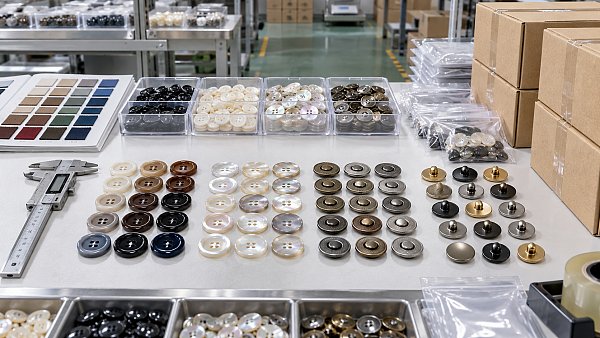
 Garment MfgWhat drives unit costs when buying garment buttons wholesale?Garment buttons wholesale costs depend on material, tooling, finish, MOQ, quality, packing, and freight. Learn how to compare true landed costs and source reliably.Textile Industry AnalystOct 06, 2026
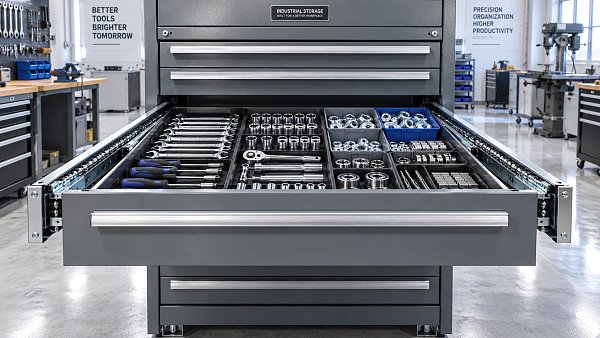
 Building HardwareWhat load rating should you specify for wholesale ball bearing slides?Wholesale ball bearing slides: learn how to specify the right load rating for drawer weight, extension, mounting, and durability. Source smarter and reduce failures.Tooling & Hardware LeadOct 05, 2026
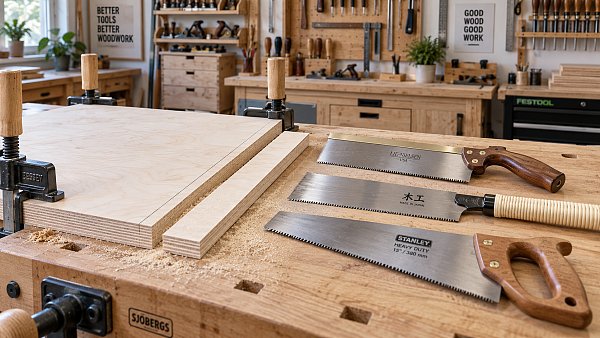
 Hand & Power ToolsHow to choose a hand saw for woodworking without tear-outHand saw for woodworking guide: choose the right tooth pattern, blade, and technique to achieve clean, precise cuts with less tear-out. Explore practical buying tips.Tooling & Hardware LeadOct 04, 2026
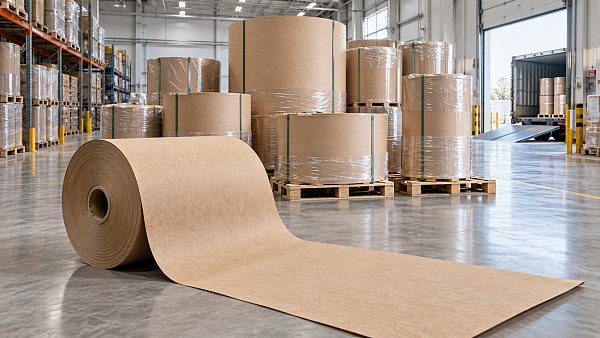
 Eco PackagingWhat affects the price of kraft paper rolls bought wholesale?Kraft paper rolls wholesale pricing depends on grade, basis weight, roll size, order volume, freight, and certifications. Learn how to compare landed costs and choose reliable value.Packaging Supply ExpertOct 03, 2026