Industry News
Curation by industry experts
Hot Articles
Popular Tags
Vietnam's New Furniture Import Rules Require Vietnamese Manuals & QR Codes
Vietnam's New Furniture Import Rules Require Vietnamese Manuals & QR Codes
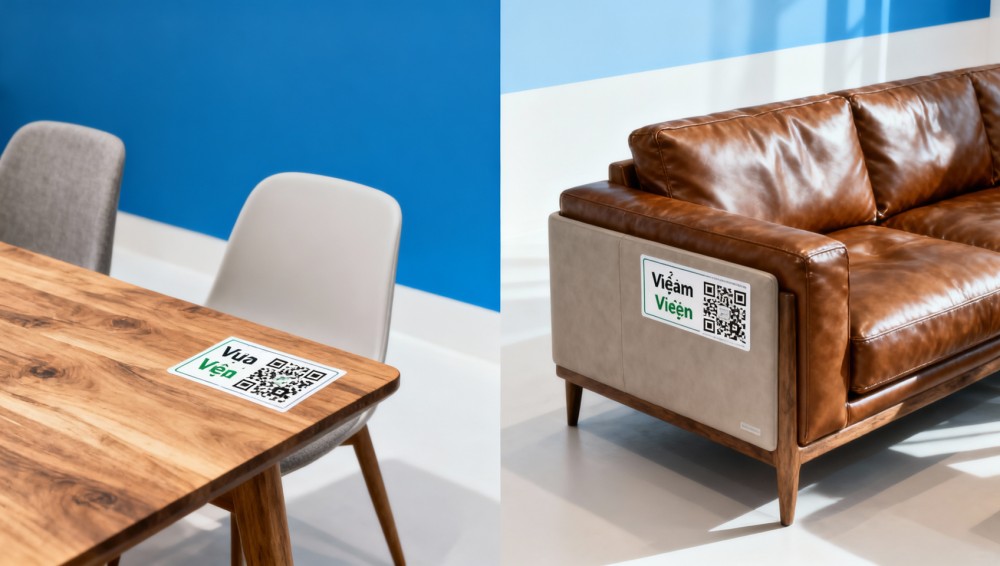
Vietnam's Decree No. 15/2026/ND-CP, effective April 8, 2026, mandates Vietnamese-language manuals and QR traceability codes for all imported furniture. This regulation has already caused shipment delays for Chinese exporters at Ho Chi Minh Port, signaling compliance challenges for global suppliers.
Event Overview
From April 8, 2026, Vietnam enforces new requirements for imported furniture:
- Vietnamese-language installation/usage instructions
- QR codes containing manufacturer details, batch numbers, and importer credentials
- Initial reports indicate detained shipments from Guangdong and Shandong exporters
Impacted Industry Segments
1. Furniture Export Manufacturers
Chinese OEMs face immediate production line adjustments for bilingual documentation and packaging modifications. Early compliance costs may affect pricing competitiveness.
2. Vietnam-Based Importers
Local distributors must verify supplier compliance capabilities before shipment to avoid port delays. Inventory planning now requires extended lead times.
3. Cross-Border Logistics Providers
Freight forwarders should anticipate extended customs clearance procedures and potential storage fees for non-compliant goods.
Key Action Points for Businesses
Verify Labeling System Compatibility
Importers should audit suppliers' QR code generation systems for Vietnam's data format requirements within the next 30 days.
Prioritize High-Volume SKUs
Focus compliance efforts on best-selling furniture categories first to minimize supply chain disruption.
Monitor Port Implementation
Observe actual enforcement rigor at major ports like Hai Phong and Da Nang beyond Ho Chi Minh City.
Industry Observation
Analysis suggests this represents Vietnam's broader push for product standardization rather than trade barriers. The QR requirement likely foreshadows future expansion to other imported goods categories. Furniture exporters should view this as a template for upcoming ASEAN market regulations.
Conclusion
While causing short-term logistical challenges, Vietnam's new rules establish predictable technical standards for long-term market access. Exporters treating this as a one-time compliance task risk missing the region's evolving regulatory trend.
Information Sources
- Vietnam's Decree No. 15/2026/ND-CP (Official Gazette)
- Customs clearance reports from Ho Chi Minh Port (Pending official release)
Recommended News
 Fabrics & YarnsThree Ministries Issue Action Plan for Textile Industry Upgrade via StandardsChina's Three Ministries launch Textile Industry Upgrade Action Plan via standards, targeting 300+ new standards by 2028. Learn how this impacts global trade compliance for manufacturers & exporters.Textile Industry AnalystApr 14, 2026
 Fabrics & YarnsJilin Chemical Fiber Launches 15,000-Ton High-End Artificial Silk Production, Boosting Green Supply ChainsJilin Chemical Fiber launches 15,000-ton high-end artificial silk production with 17 green certifications, offering sustainable solutions for global brands. Boost your eco-friendly supply chain now!Textile Industry AnalystApr 14, 2026
 Fabrics & YarnsEU Imposes Provisional Anti-Dumping Duties on Chinese Polyamide YarnEU imposes 18.2%-32.7% anti-dumping duties on Chinese polyamide yarn (PA6/PA66), impacting textile & sportswear supply chains. Learn key actions for exporters and importers to mitigate costs and compliance risks.Textile Industry AnalystApr 14, 2026
 Outdoor FurnitureChina Expands Smart Classification Pilot for Furniture Exports, Boosting EfficiencyChina expands smart classification pilot for furniture exports (HS codes 9401-9403) to Dongguan & Yiwu, boosting customs efficiency by 35% and reducing return rates. Essential for JIT supply chains.Interior Sourcing LeadApr 14, 2026