Industry News
Curation by industry experts
Hot Articles
Popular Tags
Red Sea Crisis Drives Up Asia-Europe Shipping Costs, China Furniture Export Rates Surge 41% in April
Introduction
As of April 2026, the ongoing Red Sea crisis has significantly disrupted Asia-Europe shipping routes, leading to a 41% year-on-year surge in container spot rates for furniture exports from China. Delivery times have extended by 7–12 days, prompting supply chain adjustments. This development is critical for furniture manufacturers, logistics providers, and overseas buyers, as it impacts inventory planning, promotional schedules, and contract negotiations.
Event Overview
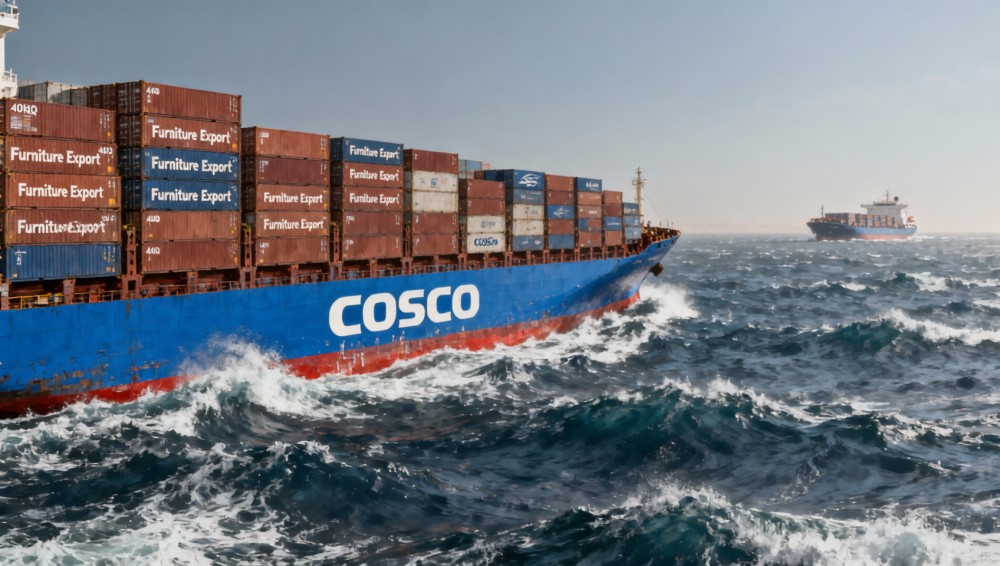
According to joint monitoring by the Shanghai Shipping Exchange and Alphaliner, the spot rate for 40HQ containers on the Asia-Europe route reached $4,820 in April 2026, a 41% increase compared to the same period in 2025. The diversion from the Suez Canal has extended shipping durations, with furniture shipments from China's East and South Coast ports facing average delays of 7–12 days. Many furniture exporters have adopted a 'sea-rail hybrid' model using China-Europe freight trains to mitigate disruptions.
Impact on Sub-Industries
1. Furniture Exporters
Higher shipping costs and delays directly squeeze profit margins and disrupt delivery commitments. Exporters must renegotiate contracts or absorb additional expenses.
2. Logistics Providers
Demand for alternative routes like China-Europe rail has spiked, requiring capacity adjustments and multimodal solutions.
3. Overseas Retailers
Delayed inventory replenishment affects seasonal promotions and stock availability, necessitating earlier orders or diversified sourcing.
Key Actions for Businesses
1. Diversify Transportation Modes
Explore rail-air or sea-rail combinations to balance cost and speed.
2. Revisit Contract Terms
Update force majeure clauses and delivery timelines to reflect current realities.
3. Monitor Rate Fluctuations
Track weekly spot rate trends to optimize shipment scheduling.
Industry Perspective
Analysis suggests this is more than a temporary disruption—it reflects structural vulnerabilities in global logistics. The crisis accelerates the shift toward regionalization and multimodal transport. Businesses should treat this as a catalyst for long-term supply chain resilience planning.
Conclusion
The Red Sea crisis has exposed critical dependencies in Asia-Europe trade lanes. While hybrid logistics models offer short-term relief, the industry must prepare for prolonged volatility in shipping costs and transit times.
Sources
Data from Shanghai Shipping Exchange and Alphaliner (April 2026). Continued monitoring of Suez Canal rerouting impacts advised.
Recommended News
 Fabrics & YarnsThree Ministries Issue Action Plan for Textile Industry Upgrade via StandardsChina's Three Ministries launch Textile Industry Upgrade Action Plan via standards, targeting 300+ new standards by 2028. Learn how this impacts global trade compliance for manufacturers & exporters.Textile Industry AnalystApr 14, 2026
 Fabrics & YarnsJilin Chemical Fiber Launches 15,000-Ton High-End Artificial Silk Production, Boosting Green Supply ChainsJilin Chemical Fiber launches 15,000-ton high-end artificial silk production with 17 green certifications, offering sustainable solutions for global brands. Boost your eco-friendly supply chain now!Textile Industry AnalystApr 14, 2026
 Fabrics & YarnsEU Imposes Provisional Anti-Dumping Duties on Chinese Polyamide YarnEU imposes 18.2%-32.7% anti-dumping duties on Chinese polyamide yarn (PA6/PA66), impacting textile & sportswear supply chains. Learn key actions for exporters and importers to mitigate costs and compliance risks.Textile Industry AnalystApr 14, 2026
 Outdoor FurnitureChina Expands Smart Classification Pilot for Furniture Exports, Boosting EfficiencyChina expands smart classification pilot for furniture exports (HS codes 9401-9403) to Dongguan & Yiwu, boosting customs efficiency by 35% and reducing return rates. Essential for JIT supply chains.Interior Sourcing LeadApr 14, 2026