Industry News
Curation by industry experts
Hot Articles
Popular Tags
Cosmetic Squeeze Tubes: Material Choices for Better Shelf Appeal
For distributors, agents, and sourcing professionals, cosmetic squeeze tubes are more than packaging—they directly influence shelf appeal, brand perception, and buyer decisions. From PE and laminated structures to eco-friendlier alternatives, choosing the right material can balance aesthetics, durability, and market demand. This article explores how material selection helps cosmetic squeeze tubes stand out in competitive retail and wholesale channels.
Why do cosmetic squeeze tubes matter so much for shelf appeal?
In wholesale and retail packaging, first impressions are often made before a customer touches the product or reads the ingredient list. Cosmetic squeeze tubes sit at the center of that decision-making moment because they combine visual branding, functional dispensing, and perceived product quality in one compact format. For distributors and agents, this means the material choice behind cosmetic squeeze tubes can influence not only brand image, but also sales velocity, repeat orders, and positioning across different channels.
Shelf appeal is not just about color or decoration. It is shaped by gloss level, softness, recovery after squeezing, seam quality, print sharpness, cap compatibility, and how premium the pack feels in hand. A tube that dents easily, scuffs during transport, or loses shape after repeated use can weaken consumer confidence. By contrast, well-selected cosmetic squeeze tubes support a clean, stable appearance from factory to warehouse to storefront.
For B2B buyers in distribution, material selection also affects product fit for different price tiers. Entry-level skincare may prioritize low cost and reliable function, while masstige and premium beauty lines may require higher barrier performance, metallic effects, or better tactile quality. That is why tube material is not a minor technical detail; it is a commercial decision tied directly to shelf impact and channel acceptance.
What are the main material options for cosmetic squeeze tubes?
The most common cosmetic squeeze tubes used in global markets are based on plastic, laminated, or alternative sustainable-oriented structures. Each material family offers different strengths in aesthetics, performance, cost, and recyclability.
Polyethylene, especially LDPE or HDPE blends, remains one of the most widely used choices. PE tubes are flexible, lightweight, and cost-effective. They can be produced in various finishes, including glossy, matte, or soft-touch appearances. For brands that need dependable decoration and mass-market efficiency, PE cosmetic squeeze tubes are often the baseline option.
Laminated tubes, including ABL and PBL structures, are favored when stronger barrier performance or a more refined print surface is required. ABL, or aluminum barrier laminate, offers superior protection against oxygen, light, and external contamination. PBL, or plastic barrier laminate, provides strong aesthetics and improved flexibility while maintaining good product protection. These structures are common in skincare, creams, gels, and formulations that need better stability over time.
Co-extruded tubes are another important option. These use multiple plastic layers to enhance barrier properties without relying on foil. For buyers looking to balance squeezability, compatibility, and modern packaging requirements, co-extruded cosmetic squeeze tubes can be a strong middle ground.
There is also growing interest in eco-friendlier alternatives such as mono-material PE solutions, post-consumer recycled content, bio-based resins, and lightweight downgauged structures. These do not automatically outperform traditional materials, but they answer a growing demand from importers and retailers for packaging with better sustainability narratives and improved compliance potential.
How do PE, laminated, and sustainable-oriented tubes compare in real sourcing decisions?
Distributors rarely choose packaging based on one factor alone. The right cosmetic squeeze tubes depend on the product formula, brand positioning, target region, and expected merchandising environment. A clear comparison helps buyers avoid over-specifying or under-specifying the package.
This comparison shows that there is no universal winner. If a distributor serves fast-moving value brands, PE cosmetic squeeze tubes may deliver the best commercial balance. If the customer wants stronger product protection and a polished look for prestige channels, laminated tubes become more attractive. If the end market prioritizes sustainability claims, a recyclable or PCR-based option may help secure listing opportunities even if the unit price is higher.
Which material features most strongly affect shelf appearance?
Many sourcing teams focus heavily on material name, but the visual outcome depends on how that material behaves in production and after filling. Several material-linked features directly influence how cosmetic squeeze tubes perform on the shelf.
The first is surface quality. Some materials accept printing and decoration more cleanly, resulting in sharper logos, smoother gradients, and a better overall finish. A premium skincare brand may need high-definition silk screen, offset, hot stamping, or matte varnish effects. In those cases, the wrong substrate can limit visual consistency.
The second is shape retention. Tubes that crease too easily may look worn after one use, especially in display environments where customers handle packs frequently. Better recovery after squeezing supports a cleaner, more premium appearance. This matters in beauty, where perceived freshness and hygiene influence buying behavior.
The third is color presentation. White, clear, tinted, metallic, and soft-touch effects all behave differently depending on the structure. A laminated tube may provide a flatter and more luxurious print base, while PE may offer a softer tactile impression. Material therefore shapes not just the package body, but the visual language of the brand.
The fourth is compatibility with caps and applicators. Flip-top caps, nozzle tips, stand-up caps, and specialized dispensing systems all contribute to shelf appeal. A tube body that pairs well with the right closure can help the product look more functional and more premium at the same time.
How should distributors and agents choose cosmetic squeeze tubes for different market segments?
A practical sourcing decision begins with the sales channel, not just the tube specification. Distributors should assess where the product will be sold, how it will be displayed, and what buyer expectations dominate that segment.
For pharmacies, dermocosmetics, and problem-solution skincare, barrier protection and clean clinical presentation often matter more than novelty. In this case, laminated cosmetic squeeze tubes with neat printing and stable structure tend to perform well. They support trust, seriousness, and product integrity.
For supermarkets, discount beauty chains, and high-volume personal care programs, cost efficiency and reliable aesthetics are usually the priority. PE tubes often make sense here because they are scalable, versatile, and suitable for broad decoration needs without pushing packaging cost too high.
For boutique skincare, indie beauty, and export brands targeting eco-conscious retailers, the conversation shifts. Buyers may ask whether the cosmetic squeeze tubes are recyclable, lightweight, made with PCR content, or aligned with future packaging regulations. In these cases, the material decision becomes part of the brand story and not simply a technical choice.
Agents should also consider transit conditions and order patterns. If products move through long export routes, warm climates, or mixed storage environments, material stability becomes more important. Good shelf appeal begins long before retail placement; it starts with maintaining appearance through logistics and handling.
What mistakes do buyers commonly make when selecting cosmetic squeeze tubes?
One common mistake is treating all tubes as interchangeable. Cosmetic squeeze tubes may look similar at first glance, but differences in wall structure, barrier layer, resin blend, decoration compatibility, and cap quality can create very different market outcomes. Choosing on appearance sample alone without performance review often leads to avoidable complaints.
Another mistake is overemphasizing sustainability claims without checking practical fit. A more sustainable tube that prints poorly, collapses too easily, or causes filling-line issues may hurt brand presentation. Eco-friendly packaging should still meet functional and visual expectations. Sustainability should support commercial success, not undermine it.
A third mistake is ignoring formula compatibility. Some creams, active skincare ingredients, essential oils, or medicated cosmetics require stronger barrier performance. If the formulation is sensitive, selecting low-cost cosmetic squeeze tubes without proper testing can compromise shelf life and customer satisfaction.
Buyers also sometimes underestimate print durability. In high-contact retail settings, scuff resistance matters. If branding fades or scratches during shipping or shelf handling, the product may appear old before it is sold. This directly weakens shelf appeal, especially in crowded beauty displays.
What questions should be asked before placing a sourcing order?
Before confirming a supplier or stock program, distributors and sourcing professionals should ask a focused set of commercial and technical questions. These questions reduce the risk of mismatch between packaging specification and market reality.
These questions are especially useful for agents serving multiple brands across different geographies. The right cosmetic squeeze tubes should fit not only the product itself, but also the retailer’s standards, the importer’s compliance goals, and the distributor’s margin model.
Are sustainable cosmetic squeeze tubes already ready for mainstream distribution?
In many cases, yes—but with qualifications. Sustainable cosmetic squeeze tubes have advanced significantly in material engineering, printability, and market acceptance. Mono-material designs and PCR-enhanced tubes are increasingly viable for mainstream skincare and personal care applications. However, readiness depends on the specific product, branding ambition, and local recycling infrastructure.
Distributors should avoid assuming that all sustainable formats are equal. Some options are best suited for brands that prioritize environmental messaging and are prepared to manage small differences in color tone, surface feel, or cost. Others have become almost indistinguishable from conventional tubes in visual quality. The real question is whether the sustainable option supports both performance and channel expectations.
For many importers and wholesalers, sustainability now acts as a market access factor. Retailers, especially in developed markets, increasingly ask for evidence around material composition, recyclability potential, reduced virgin plastic use, or supplier ESG commitments. As a result, sustainable cosmetic squeeze tubes are no longer a niche discussion. They are becoming part of standard range planning.
What is the most practical takeaway for buyers comparing options?
The best cosmetic squeeze tubes are not simply the cheapest, the most premium, or the most sustainable on paper. They are the ones that align material properties with formula needs, visual goals, logistics realities, and channel expectations. For distributors, agents, and sourcing teams, that means evaluating packaging as a business tool rather than a commodity component.
If the goal is better shelf appeal, start by confirming the desired market position, expected print finish, handling conditions, and compliance requirements. Then compare PE, laminated, co-extruded, and eco-oriented cosmetic squeeze tubes against those priorities. A disciplined material choice can improve product presentation, strengthen buyer confidence, and help brands perform better across wholesale and retail environments.
If you need to confirm a specific solution, parameters, timeline, quote, or cooperation model, the best first discussion points are formula compatibility, barrier requirements, decoration method, sustainability target, export destination, and minimum order expectations. These questions will quickly narrow the right cosmetic squeeze tubes for your market and reduce sourcing risk.
Recommended News
 Eco PackagingBiodegradable Straws Wholesale: What to Verify Before Switching SuppliersBiodegradable straws wholesale: verify certifications, drink performance, packaging, and export reliability before switching suppliers to cut risk, protect compliance, and improve sourcing results.Packaging Supply ExpertMay 04, 2026
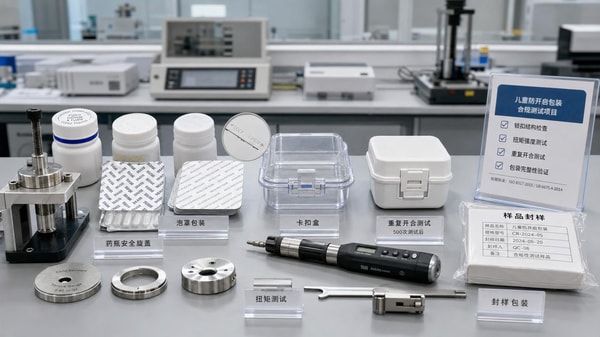
 Policy & RegulationsChild Resistant Packaging: Common Testing Failures and How to Prevent ThemChild resistant packaging failures often stem from weak locks, tolerance drift, or poor reclosure. Learn how to prevent test issues, reduce recall risk, and improve compliance readiness.May 04, 2026
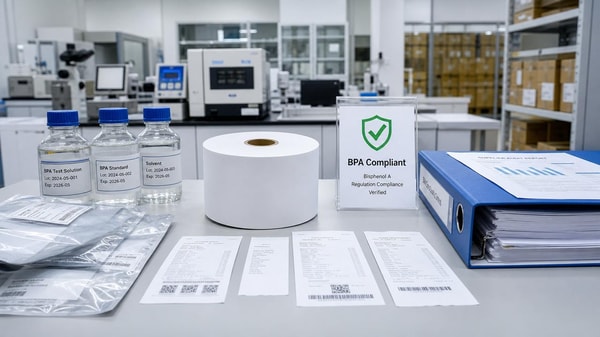
 Policy & RegulationsThermal Paper Receipts: BPA Rules and Compliance Questions in 2026Thermal paper receipts face tougher BPA scrutiny in 2026. Learn the key compliance questions, supplier checks, and risk-reduction steps buyers and safety teams should act on now.May 04, 2026
 Office FurnitureWholesale A4 Copy Paper: GSM, Brightness, and Jam Rate ExplainedWholesale A4 copy paper buying made simple: learn how GSM, brightness, and jam rate affect print quality, machine uptime, and sourcing costs across offices, schools, and print shops.Interior Sourcing LeadMay 04, 2026