Industry News
Curation by industry experts
Hot Articles
Popular Tags
Custom Burger Boxes: Box Styles That Improve Takeout Handling
For foodservice brands focused on delivery efficiency, custom burger boxes are more than packaging—they directly affect product protection, stacking stability, and customer satisfaction. The right box styles can reduce handling issues, preserve presentation, and support smoother takeout operations. This article explores practical design choices that help businesses improve performance while strengthening brand value.
Why do custom burger boxes matter so much in takeout operations?
For enterprise buyers, packaging decisions are rarely about appearance alone. In takeout and delivery, a burger box has to survive kitchen speed, short holding times, courier handling, order stacking, and end-customer opening. When the box fails, the result is not just a damaged burger. It can mean wasted food, replacement orders, negative reviews, and increased pressure on operations teams.
Custom burger boxes also sit at the intersection of procurement, brand management, sustainability, and logistics. A well-selected box can improve grease resistance, reduce carton collapse, support ventilation, and maintain a more stable shape in transit. For restaurant groups, ghost kitchens, distributors, and packaging buyers, that makes box style a performance decision, not a cosmetic one.
This is where structured sourcing becomes valuable. Global Supply Review (GSR) helps decision-makers evaluate packaging and printing options with a broader supply chain lens: material suitability, supplier consistency, compliance expectations, and fit-for-use performance in real operating conditions. In a fragmented global market, that type of intelligence shortens trial cycles and improves buying confidence.
- They protect product integrity during pickup, rider transport, and final handoff.
- They influence stacking efficiency in busy service windows and courier bags.
- They affect temperature retention and moisture control, which changes eating quality.
- They create a visible brand impression at the exact moment the customer opens the order.
Which box styles improve handling, stacking, and product stability?
Different custom burger boxes solve different operational problems. Some are designed for quick assembly, some for structural rigidity, and some for steam release. Buyers should avoid selecting one style for all menu items if the menu includes single burgers, double patties, loaded sandwiches, or combo packs with sides. Matching box geometry to product profile is usually more effective than over-specifying one expensive format.
Common box styles and their operational strengths
The table below compares frequently sourced custom burger boxes by handling needs, assembly behavior, and best-fit scenarios. This helps procurement teams evaluate not only unit price, but also labor impact and delivery performance.
For most takeout programs, the clamshell and tuck-top formats are the most practical starting points. The final decision should then depend on burger height, sauce load, delivery distance, and whether the operator prioritizes assembly speed or premium presentation.
How style affects courier handling
Courier handling is often overlooked during packaging development. Riders and drivers rarely place a burger box on a flat shelf in ideal conditions. Orders are tilted, stacked with drinks, compressed by thermal bags, and moved quickly. That means custom burger boxes need enough panel stiffness to resist side pressure and enough lid security to avoid pop-open failures.
- Low-profile burgers benefit from flatter boxes that reduce movement inside the pack.
- Tall burgers need extra headspace, but too much empty height increases sliding and collapse risk.
- Multi-order delivery routes need top-load resistance to prevent bottom-box deformation.
What technical features should buyers evaluate before ordering custom burger boxes?
Box style is only one part of performance. Material structure, barrier treatment, vent design, and die-line accuracy often determine whether a packaging program succeeds at scale. Procurement teams should evaluate these variables early, especially when sourcing across regions or combining food packaging with branded printing requirements.
Key performance factors
- Board grade: Heavier board can improve stiffness, but overengineering raises costs and may reduce folding speed.
- Grease resistance: Important for preventing soak-through, print distortion, and weakened corners.
- Ventilation: Small vent cuts can reduce steam buildup and help preserve bun texture.
- Closure reliability: Tabs and hinge points should hold during transport but remain easy for staff to assemble.
- Print compatibility: Exterior branding should remain legible despite heat, grease, and handling friction.
The following technical guide supports buyer discussions with packaging converters and helps narrow suitable custom burger boxes based on operating conditions rather than assumptions.
A structured test plan can be more useful than a long specification sheet. Many enterprise buyers now request sample runs that simulate hold times, stacking, and route transport before confirming full-volume production.
Which custom burger boxes fit different foodservice scenarios?
The right packaging choice depends heavily on service model. A box that performs well for in-store takeaway may fail in a third-party delivery workflow. Operators should match custom burger boxes to kitchen process, travel distance, menu complexity, and customer expectations.
Scenario-based selection guide
This application table highlights how custom burger boxes align with operational needs across common business models.
A scenario-first approach often lowers cost over time because it reduces packaging waste, menu mismatch, and the need for emergency repurchasing. For buyers managing several brands or regions, standardized structural formats with localized printing can also improve inventory control.
How should procurement teams compare cost, risk, and supplier capability?
Price per unit is important, but it should never be the only purchasing metric. Low-cost custom burger boxes can become expensive when they slow service lines, increase damage rates, or cause inconsistent delivery outcomes. Total cost should include product loss, labor efficiency, storage impact, freight cube, and reorder stability.
A practical procurement checklist
- Define menu categories by size, weight, and moisture level before approving box dimensions.
- Request dieline samples and assembled mockups, not just digital artwork proofs.
- Test filled boxes under real hold times and stacked transport conditions.
- Review whether supplier lead times align with promotional peaks and seasonal demand swings.
- Confirm food-contact suitability, printing consistency, and any sustainability claims before launch.
GSR adds value here by helping buyers compare packaging suppliers through a wider sourcing lens. That includes market visibility across packaging and printing, awareness of regional manufacturing strengths, and sharper questions around consistency, compliance, and delivery reliability. For enterprise decision-makers, these insights can reduce supplier-switching risk and improve contract outcomes.
Common hidden costs
- Boxes that arrive flat but require excessive manual forming can raise labor costs during peak hours.
- Oversized custom burger boxes increase shipping volume and storage footprint.
- Poor venting can hurt product quality, leading to remake rates and customer complaints.
- Overly customized formats may create long lead times and more difficult replenishment cycles.
What standards, sustainability, and compliance issues should be reviewed?
Food packaging buyers increasingly face pressure to balance performance with environmental and compliance expectations. When sourcing custom burger boxes, the discussion should cover food-contact suitability, substrate traceability, printing chemistry, recyclability pathways, and local market regulations. Requirements vary by region, so documentation and intended end-use should be reviewed early in the sourcing cycle.
For multinational buyers, sustainability claims should be practical and verifiable. A recyclable fiber-based box may still underperform if a heavy barrier layer or unsuitable ink system interferes with downstream recovery. Likewise, a compostability claim may be less relevant if local waste infrastructure does not support it. Procurement teams should align packaging claims with real disposal routes in their target markets.
- Check that the material specification is suitable for direct or indirect food contact as required in the destination market.
- Ask suppliers how grease-resistant treatments affect recycling or composting outcomes.
- Review whether branding inks and coatings are compatible with intended sustainability goals.
- Confirm documentation needs for import, buyer audits, and customer-facing packaging declarations.
What mistakes do buyers make when sourcing custom burger boxes?
Mistake 1: Choosing by appearance before performance
A strong print design cannot compensate for weak structure or poor moisture management. If the burger shifts, the bun collapses, or the box softens during delivery, the brand impression declines immediately. Visual branding should follow structural suitability, not replace it.
Mistake 2: Using one box size for the entire menu
Standardization can save inventory complexity, but too much standardization creates fit problems. Small burgers move around in large boxes, while oversized menu items stress corners and lids. A two- or three-format strategy is often more practical than forcing all products into one SKU.
Mistake 3: Ignoring assembly speed
In pilot reviews, a packaging sample may look acceptable on the conference table but fail in a live kitchen. If crew members need extra seconds to erect, fill, and close each carton, the cumulative labor impact becomes significant. Speed testing should be part of approval.
Mistake 4: Treating sustainability as a label only
Sustainable custom burger boxes should fit actual business operations. A material that performs poorly in hot, greasy applications can create food waste, remakes, and negative customer reactions. Responsible selection requires balancing environmental goals with product protection and realistic disposal systems.
FAQ: what do decision-makers usually ask about custom burger boxes?
How do I choose between clamshell and tuck-top custom burger boxes?
Choose clamshell styles when packing speed and repeatable handling are your top priorities. Choose tuck-top formats when presentation, closure security, or premium positioning matter more. If possible, test both with actual menu items over a real delivery route rather than relying only on samples handled indoors.
Which custom burger boxes are better for long delivery distances?
Long routes usually require stronger board structure, balanced ventilation, and reliable grease resistance. The ideal configuration depends on burger height, sauce level, and stacking pressure in the courier bag. Buyers should simulate transport conditions and monitor box integrity, moisture buildup, and product movement after delivery.
What should enterprise buyers confirm before mass production?
Confirm dimensions, food-contact suitability, print proofing, vent placement, board specification, case pack quantity, and lead time. Also verify whether the supplier can maintain consistency across repeat orders, seasonal volume spikes, and multiple delivery regions if your business scales quickly.
Are eco-friendly custom burger boxes always the best option?
Not automatically. The best option is the one that balances sustainability goals with transport performance, food protection, and local waste infrastructure. An eco-positioned box that fails during delivery can create more waste overall. Buyers should compare life-cycle intent with actual operational performance.
Why choose us for sourcing insight and packaging decisions?
For decision-makers evaluating custom burger boxes, the challenge is not just finding a supplier. It is finding the right structural solution, the right production partner, and the right sourcing path for long-term reliability. Global Supply Review supports that process with focused intelligence across packaging and printing, backed by cross-sector visibility into light manufacturing and international sourcing conditions.
If you are reviewing takeout packaging, GSR can help you move the discussion from generic cartons to decision-ready criteria. That includes parameter confirmation for board type and venting, box style selection for different burger formats, lead time and supply continuity questions, sustainability and compliance considerations, sample support planning, and quotation comparison across supplier options.
- Consult on custom burger boxes for single, double, or premium burger formats.
- Discuss structural trade-offs between speed, presentation, and delivery durability.
- Review expected lead times, sampling steps, and order planning considerations.
- Align packaging decisions with branding, compliance, and sourcing strategy.
If your team is comparing custom burger boxes for a launch, supplier switch, or regional rollout, contact us with your product dimensions, delivery model, branding needs, and expected order volume. That makes it easier to identify the most suitable packaging direction, clarify certification and documentation needs, and accelerate meaningful quotation discussions.
Recommended News
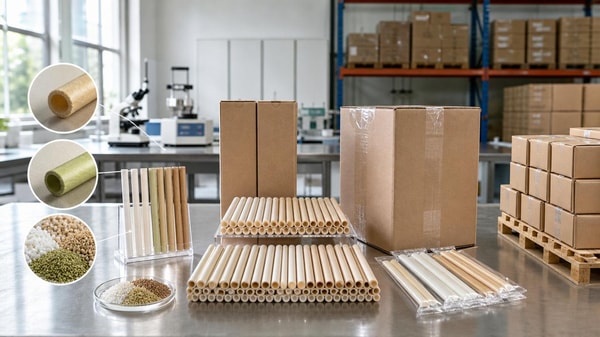
 Eco PackagingBiodegradable Straws Wholesale: What to Verify Before Switching SuppliersBiodegradable straws wholesale: verify certifications, drink performance, packaging, and export reliability before switching suppliers to cut risk, protect compliance, and improve sourcing results.Packaging Supply ExpertMay 04, 2026
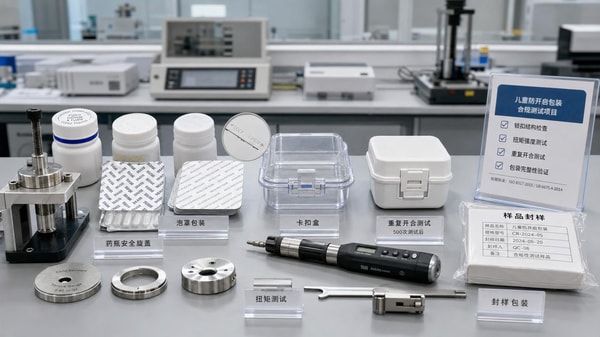
 Policy & RegulationsChild Resistant Packaging: Common Testing Failures and How to Prevent ThemChild resistant packaging failures often stem from weak locks, tolerance drift, or poor reclosure. Learn how to prevent test issues, reduce recall risk, and improve compliance readiness.May 04, 2026
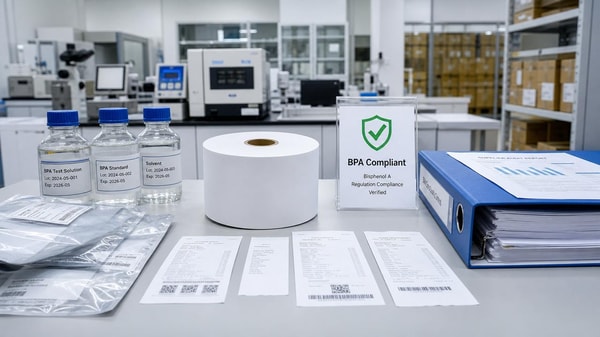
 Policy & RegulationsThermal Paper Receipts: BPA Rules and Compliance Questions in 2026Thermal paper receipts face tougher BPA scrutiny in 2026. Learn the key compliance questions, supplier checks, and risk-reduction steps buyers and safety teams should act on now.May 04, 2026
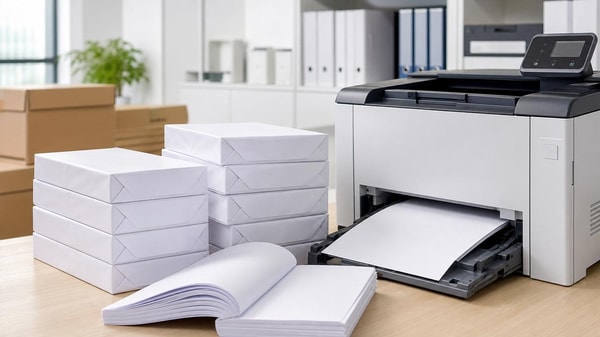
 Office FurnitureWholesale A4 Copy Paper: GSM, Brightness, and Jam Rate ExplainedWholesale A4 copy paper buying made simple: learn how GSM, brightness, and jam rate affect print quality, machine uptime, and sourcing costs across offices, schools, and print shops.Interior Sourcing LeadMay 04, 2026