Industry News
Curation by industry experts
Hot Articles
Popular Tags
RCEP ASEAN New Hub Cuts Wedding Prop Delivery to 5 Days
On May 6, 2026, the RCEP Cross-Border Supply Chain Hub in Pingxiang, Guangxi officially launched its first bonded distribution center dedicated to textile-based photography props — marking a tangible step in regional supply chain localization for China’s wedding and studio production exports. This development directly impacts B2B exporters of bridal backdrops, voiles, and artificial floral arrangements targeting Vietnam and Thailand.
Event Overview
On May 6, 2026, the RCEP Cross-Border Supply Chain Hub in Pingxiang, Guangxi, activated its inaugural bonded distribution center specialized for textile photography props. The facility supports Chinese-made wedding photography background fabrics, sheer drapes, and artificial flowers through a ‘forward warehouse + localized labeling’ model for entry into Vietnam and Thailand. As confirmed, B2B order delivery time to these two markets has been reduced from an average of 18 days to 5 working days.
Industries Affected by This Development
Direct Exporters (B2B Wedding & Studio Prop Suppliers)
These companies supply finished soft props — such as printed backdrops, layered voiles, and assembled silk florals — primarily to Southeast Asian distributors or rental studios. The new hub reduces transit time and customs clearance friction, enabling faster replenishment cycles and tighter alignment with regional peak demand periods (e.g., wedding season Q3–Q4).
Supply Chain Service Providers (Cross-Border Logistics & Customs Agents)
Firms offering bonded warehousing, labeling, and last-mile coordination in Vietnam and Thailand may see increased demand for integrated services tied to this hub. The ‘local labeling’ requirement implies greater need for compliant packaging, multilingual labeling support, and traceable documentation — not just transportation.
Regional Distributors & Rental Studios (Vietnam/Thailand)
Distributors now gain predictable 5-day lead times for restocking core inventory items. This enables more responsive safety-stock planning and reduces reliance on large-volume, long-lead bulk imports — especially valuable ahead of seasonal surges.
What Relevant Businesses Should Monitor and Do Now
Track official operational scope and eligibility criteria
The hub is described as ‘dedicated to textile photography props’, but no public list of eligible HS codes or product categories has been released. Exporters should monitor announcements from Guangxi Customs or the RCEP Secretariat for formal qualification guidelines — particularly regarding fabric composition, labeling standards, and origin documentation requirements.
Assess readiness for localized labeling workflows
‘Local labeling’ implies physical label application in the hub prior to final dispatch — not just digital compliance. Companies must verify whether their current packaging allows for post-manufacturing label integration (e.g., space, adhesive compatibility, language layout) and whether their ERP or labeling systems can generate compliant Vietnamese/Thai labels on short notice.
Validate inventory allocation strategy against new lead-time assumptions
A compressed 5-day cycle only delivers value if upstream production and domestic handover to the hub remain synchronized. Exporters should audit current domestic logistics lead times to Pingxiang and confirm minimum batch sizes accepted by the hub — otherwise, the 5-day promise may not be operationally achievable for smaller or irregular orders.
Monitor early adoption patterns in Vietnam and Thailand
Initial throughput data — including which product types move fastest, which distributors are first to use the service, and any reported bottlenecks at local customs — will indicate real-world scalability. Early signals may reveal whether the model extends beyond soft props to rigid or oversized items (e.g., collapsible frames), though that remains unconfirmed.
Editorial Perspective / Industry Observation
Observably, this initiative reflects a shift from broad RCEP tariff reduction rhetoric toward targeted infrastructure-enabled trade facilitation — specifically for high-frequency, low-unit-value visual production goods. Analysis shows it functions less as an immediate market-access breakthrough and more as a logistics calibration tool: it does not change tariff schedules or regulatory approvals, but reshapes response time expectations across the B2B value chain. From an industry perspective, the hub’s significance lies not in scale, but in replicability — if proven efficient for wedding props, similar models could emerge for other RCEP-eligible textile subcategories (e.g., event linens, retail display fabrics). Current adoption remains narrow, and sustained impact depends on consistent throughput, transparent customs coordination, and distributor uptake — all requiring ongoing observation.

Conclusion
This development signals a maturing phase in RCEP implementation — one where cross-border efficiency gains are delivered via physical infrastructure, not just legal frameworks. For affected businesses, it represents a concrete opportunity to recalibrate lead times and inventory logic — but only if aligned with on-the-ground operational constraints. It is better understood as an emerging capability, not yet a guaranteed advantage.
Information Source
Confirmed details originate from the official launch announcement by the Guangxi Zhuang Autonomous Region Department of Commerce and the Pingxiang Comprehensive Bonded Zone Administration, dated May 6, 2026. Ongoing verification of hub throughput volume, eligible product lists, and distributor participation remains pending and will require follow-up monitoring.
Recommended News
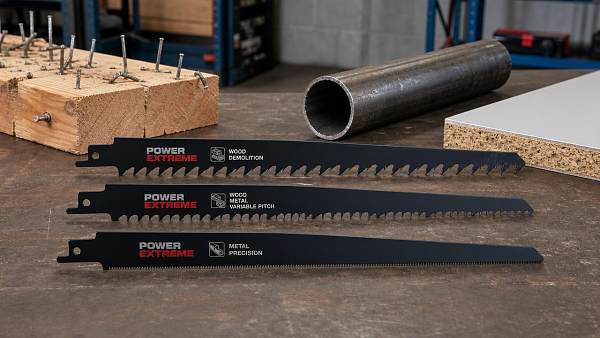
 Hand & Power ToolsReciprocating Saw Blades: Faster Demolition Starts With the Right Tooth DesignReciprocating saw blades work best when tooth design matches the job. Learn how to cut wood, metal, and mixed materials faster with better control, longer blade life, and fewer interruptions.Tooling & Hardware LeadMay 07, 2026
![]() Building HardwareStainless Steel Handrail Brackets for Coastal Projects: What to CheckStainless steel handrail brackets for coastal projects: learn what to check on grade, finish, fixings, and corrosion risk to avoid failures, ensure compliance, and choose with confidence.Tooling & Hardware LeadMay 07, 2026
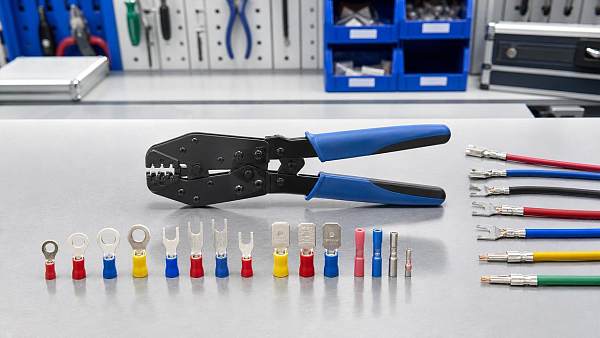
Building HardwareStainless Steel Handrail Brackets for Coastal Projects: What to CheckStainless steel handrail brackets for coastal projects: learn what to check on grade, finish, fixings, and corrosion risk to avoid failures, ensure compliance, and choose with confidence.Tooling & Hardware LeadMay 07, 2026 Hand & Power ToolsCrimping Tools Wholesale: How to Avoid Fit Issues Across TerminalsCrimping tools wholesale buyers: learn how to avoid terminal fit issues, compare key specs, and choose reliable suppliers to reduce rework, prevent failures, and improve repair consistency.Tooling & Hardware LeadMay 07, 2026
 Industrial FastenersBlind Rivets Wholesale: Material Matching Mistakes to AvoidBlind rivets wholesale buyers: avoid costly material matching mistakes. Learn how aluminum, steel, and stainless choices affect strength, corrosion, and long-term reliability.Tooling & Hardware LeadMay 07, 2026