Industry News
Curation by industry experts
Hot Articles
Popular Tags
Guangzhou Cross-Border Fair Opens With 1,000+ Bridal Suppliers
On June 16, 2026, the China Cross-Border E-Commerce Fair opened in Guangzhou with a dedicated bridal supply chain zone that brings together more than 1,000 enterprises from 12 industrial clusters. For bridalwear manufacturers, accessories suppliers, packaging firms, cross-border sellers, and platform service providers, the development is worth watching because it places sourcing, category review, and platform selection into the same exhibition setting, potentially changing how quickly bridal products move from factory networks into overseas channels.

A concentrated bridal export showcase takes shape
The 2026 China Cross-Border E-Commerce Fair is being held from June 16 to 18 at the Canton Fair Complex in Guangzhou. A joint exhibition area focused on the bridal industry has been set up at the event.
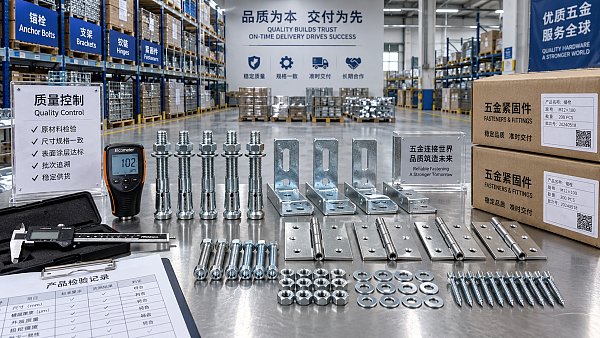
According to the provided event summary, the zone brings together more than 1,000 supply chain enterprises from 12 industrial clusters, including bridal gown and dress suppliers from Zhongshan, printed accessories suppliers from Dongguan, color box packaging suppliers from Yiwu, and hardware accessories suppliers from Wenzhou.
The same summary states that 23 global platforms, including Amazon SPN, Trendyol, and Namshi, have for the first time established a joint product selection area. It also states that a targeted green review channel has been opened for the bridal category, reducing the onboarding period to five working days.
Why different parts of the chain may feel the impact
Manufacturing clusters may gain more direct market exposure
From an industry perspective, the most immediate impact may fall on production-focused businesses within the bridal supply chain. When gown makers, accessory producers, packaging suppliers, and hardware component companies appear in one concentrated zone, buyers and platform-side teams can assess category depth more efficiently. The business effect to watch is not only whether orders increase, but whether supplier screening becomes more centralized around cluster-based sourcing.
Cross-border sellers may see a faster route into category testing
Analysis shows that sellers focused on bridal products may pay close attention to the green review channel and the five-working-day onboarding timeline mentioned in the event summary. If platform entry review becomes faster in practice, the main impact would likely be on listing preparation, supplier matching, and first-round market testing. What deserves closer attention is whether the shorter cycle applies smoothly across different product types within bridal assortments, rather than being treated as a blanket change for all sellers.
Service providers may need to respond to more integrated demand
Supply chain and marketplace service providers may also be affected because the event connects sourcing and platform selection more directly. In practical terms, the relevant business links include qualification support, documentation preparation, onboarding assistance, and coordination between factories and marketplace requirements. Observably, service providers will need to watch whether buyer demand shifts toward suppliers that can present products and compliance materials in a platform-ready format.
What companies should watch next
Separate the event signal from operational rules
Companies should track how the fair's stated arrangements are reflected in follow-up platform rules or official wording. A green review channel and a shorter onboarding period are commercially meaningful signals, but businesses still need to confirm how those arrangements apply in actual submission, review, and launch workflows.
Prepare supplier and product documentation early
For bridalwear producers and component suppliers, one practical priority is readiness of supporting materials. Since the event links sourcing with faster review access, firms should pay close attention to product information, supplier qualifications, and any documentation that may be required when moving from exhibition contact to platform onboarding.
Focus on category coordination, not only finished dresses
The event summary highlights not just finished bridalwear but also printed accessories, packaging, and hardware parts. That means companies should look beyond single-product opportunities and pay attention to how upstream and supporting categories are being grouped. For many participants, the more relevant question may be whether buyers are seeking complete category coordination rather than isolated products.
Manage timing expectations with partners and buyers
The five-working-day timeline may attract immediate interest, but companies should communicate carefully with buyers, distributors, and internal teams about what that timeline actually covers. What deserves closer attention is whether faster review translates into faster fulfillment and steady cross-border execution, which are separate operational steps.
How this development is best interpreted for now
Analysis shows that this is better understood as a strong market-organizing signal rather than a confirmed long-term outcome. The concentration of more than 1,000 bridal supply chain enterprises and the first-time joint product selection area suggest that the bridal category is being presented in a more systematized export format. However, the event itself does not yet prove lasting changes in order volume, platform conversion, or sustained overseas demand.
Observably, the most important takeaway at this stage is structural: sourcing clusters, platform access, and category-focused review are being brought closer together in one venue. That matters for how companies position themselves, but it still requires continued observation before being treated as a stable market shift.
A near-term signal with longer-term questions
For the industry, this development is significant because it shows the bridal supply chain being organized as a coordinated export-facing category rather than only as scattered manufacturing resources. It is more appropriate to understand this as a near-term signal with potential longer-term implications, especially for supplier visibility, platform onboarding efficiency, and category collaboration. Whether that signal becomes a durable business trend will depend on what follows after the exhibition period.
Basis of this report and points for further verification
This article is based on the user-provided news title, event date, and event summary concerning the 2026 China Cross-Border E-Commerce Fair in Guangzhou. For this type of industry update, source types that are usually relevant include official event announcements, company statements, industry association information, authoritative media coverage, and marketplace or standards-related documents.
No specific official source link was provided in the input, so the underlying details still require ongoing verification. Follow-up attention should focus on whether the bridal category green review channel receives further official clarification, how the five-working-day onboarding timeline is implemented in practice, and whether the joint product selection arrangement leads to sustained participation beyond the event itself.
Recommended News
 Supply Chain InsightsHow to vet supplier reliability in hardware materials wholesaleHardware materials wholesale buyers can vet suppliers with practical checks for quality, capacity, compliance, pricing, and delivery reliability. Explore the full framework.Sep 16, 2026
 Commercial LEDHow custom lighting for exhibition booths shapes product visibilityCustom lighting for exhibition booths enhances product visibility with strategic contrast, accurate color, glare control, and focused display design. Discover practical planning insights.Commercial Tech EditorSep 15, 2026
 Carton & PlasticsWhen do double wall corrugated boxes prevent damage in transit?Double wall corrugated boxes prevent transit damage from stacking, impact, punctures, and long-haul handling. Learn when stronger packaging delivers smarter protection.Packaging Supply ExpertSep 14, 2026
 Carton & PlasticsHow to assess a flat bottom pouch supplier’s quality controlsFlat bottom pouch supplier quality controls: assess materials, seal integrity, traceability, change management, and release processes to reduce packaging risk.Packaging Supply ExpertSep 13, 2026