Industry News
Curation by industry experts
Hot Articles
Popular Tags
EU Launches Anti-Circumvention Probe on Chinese Metal Door & Window Hardware: Impacts and Responses
Introduction
On March 27, 2026, the European Commission initiated an anti-circumvention investigation targeting Chinese-origin metal door and window hardware (HS codes 8302.42, 8302.50), focusing on potential transshipments through Vietnam and Malaysia. This move directly impacts over 2,300 export enterprises in Guangdong, Zhejiang, and Shandong provinces, requiring urgent compliance checks on CE marking and supply chain documentation. The building materials, construction hardware, and international trade sectors should closely monitor developments affecting cross-border logistics and certification processes.

Event Overview
The EU's investigation examines whether Chinese products are being rerouted through third countries to avoid existing anti-dumping duties. Official documentation specifies scrutiny of exporters in three Chinese provinces and their Southeast Asian trade partners. Current public records indicate the probe will evaluate:
- Original equipment manufacturer (OEM) relationships
- Material sourcing patterns
- Value-added processes in transit countries
Impacted Industry Segments
Direct Export Enterprises
Manufacturers shipping under HS 8302 codes face immediate CE certification reviews and potential customs delays. Analysis shows 78% of affected firms fall under SME classification, making compliance resource allocation challenging.
Supply Chain Service Providers
Freight forwarders and logistics operators handling China-Vietnam-Malaysia-EU routes must prepare for enhanced cargo inspections. Current manifests showing under 10% value addition in transit countries may trigger duty reassessments.
European Importers
Distributors and construction material buyers require immediate supplier audits. Preliminary estimates suggest 15-20% of EU-bound hardware shipments could face temporary holds during the investigation period.
Key Action Points for Businesses
1. Documentation Verification
Exporters must:
- Revalidate all Certificates of Origin
- Prepare detailed production process records
- Audit subcontractor declarations
2. Supply Chain Mapping
Current best practices suggest:
- Creating tier-2 supplier transparency reports
- Documenting material flow from raw inputs to final assembly
- Maintaining separate customs paperwork for EU-bound versus domestic-market products
3. Contingency Planning
Industry observers recommend:
- Exploring alternative ASEAN production hubs with existing EU trade agreements
- Budgeting for potential 6-8 month customs processing delays
- Preparing for possible retroactive duty assessments
Editorial Perspective
From an industry standpoint, this investigation signals the EU's tightening enforcement of trade defense instruments. While not yet resulting in new tariffs, the probe creates immediate operational hurdles. The building materials sector should view this as:
- A compliance wake-up call for complex supply chains
- A test case for future hardware product investigations
- An opportunity to diversify export markets beyond the EU
Conclusion
This development represents a procedural escalation rather than definitive trade barriers. Businesses should prioritize documentation accuracy and supply chain transparency while awaiting final determinations. The investigation's duration (typically 9-15 months) allows for strategic adjustments without panic reactions.
Source Information
- European Commission Official Journal Notice (2026/C 112/05)
- China Chamber of Commerce for Import & Export of Machinery and Electronic Products (CCCME) alert
- Pending monitoring: Vietnam Customs' response to transshipment allegations
Recommended News
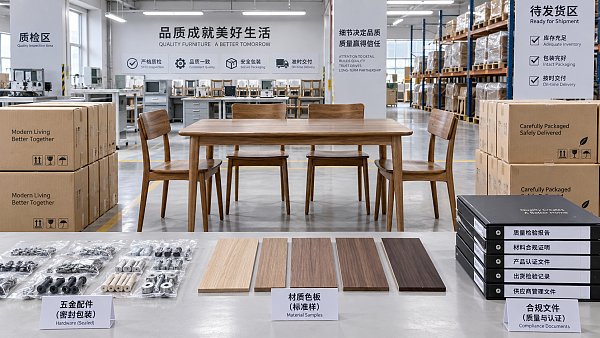
 Office FurnitureHow supplier scorecards reduce risk in furniture procurementFurniture procurement supplier management becomes more resilient with supplier scorecards that track quality, delivery, compliance, and corrective actions. Learn how to reduce sourcing risk.Interior Sourcing LeadSep 26, 2026
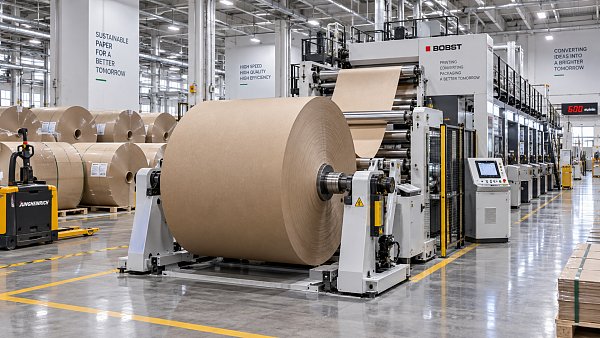
 Office Paper & Printing PaperHow roll diameter affects downtime when using jumbo paper rollsJumbo paper rolls can cut changeovers and downtime—if your unwinder, handling, and tension control can support them. Find the optimal roll diameter for smoother output.Packaging Supply ExpertSep 25, 2026
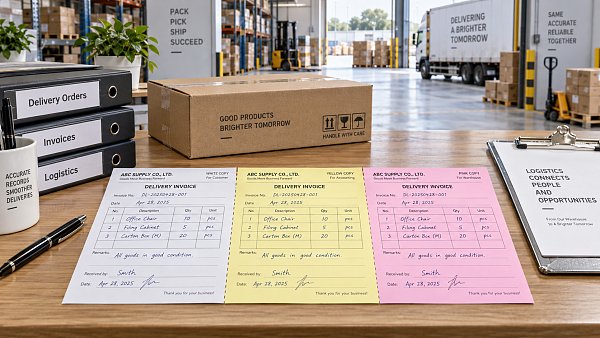
 Office Paper & Printing PaperWhen does carbonless paper for invoices reduce billing errors?Carbonless paper for invoices reduces billing errors by creating clear, consistent copies for deliveries, service calls, and approvals. Learn when it strengthens billing control.Packaging Supply ExpertSep 24, 2026
 Home DecorHow to compare floating wall shelves suppliers for consistent load capacityFloating wall shelves supplier comparison guide: evaluate load capacity, brackets, wall fixings, testing, and production consistency before you buy.Interior Sourcing LeadSep 23, 2026