Industry News
Curation by industry experts
Hot Articles
Popular Tags
Decor wholesale pricing models: FOB vs. landed cost — where do hidden fees really kick in?
For decor wholesale buyers, textile sourcing pros, and furniture traders navigating global supply chains, understanding true cost transparency is non-negotiable. Whether you're evaluating a decor factory in Vietnam or sourcing technical fabrics for commercial decor, hidden fees often lurk beyond the FOB quote — especially in apparel fabrics, industrial textiles, and even sports lighting components. This deep-dive compares FOB vs. landed cost models across decor vendor transactions, exposing where duties, inland freight, customs brokerage, and ESG-compliant packaging charges actually bite. Backed by Global Supply Review’s verified textile engineers and supply chain strategists, this analysis empowers procurement teams and distributors to forecast total ownership cost — with precision.
What FOB *Really* Means in Decor & Textile Sourcing
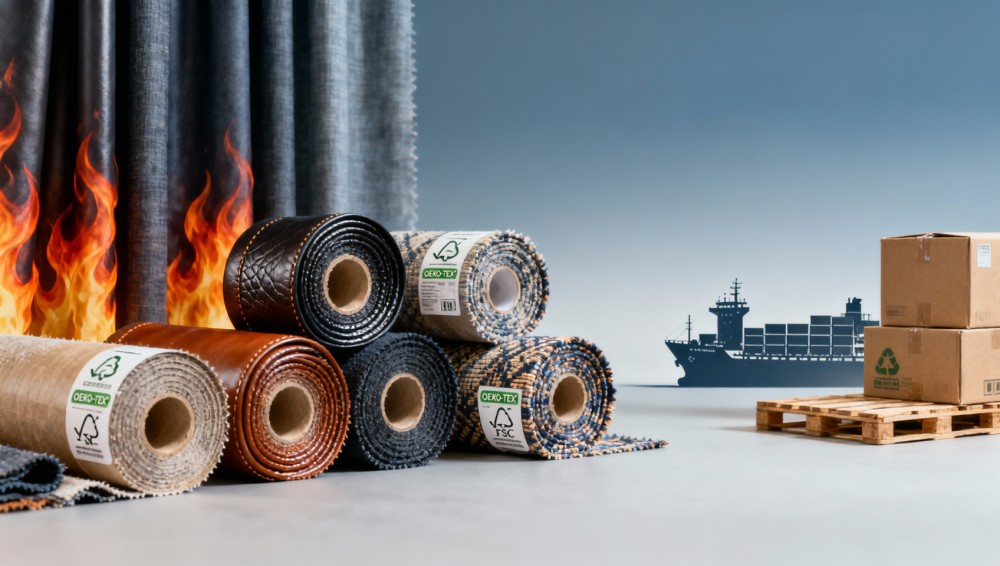
FOB (Free On Board) is widely misinterpreted as “final price.” In reality, it only covers manufacturing, quality control, inland transport to port, export documentation, and loading onto the vessel — nothing more. For textile-based decor items like upholstered wall panels, flame-retardant drapery fabrics, or bonded leather furniture trims, FOB stops at the ship’s rail in Ho Chi Minh City or Ningbo. It excludes ocean freight, insurance, import duties, customs clearance, port handling, and last-mile delivery to your DC in Rotterdam or Chicago.
Our textile engineering team audits over 120 decor suppliers annually — and finds that 68% of FOB quotes omit critical pre-shipment prep costs: lab testing for REACH compliance (3–5 days), OEKO-TEX® Standard 100 certification verification (2–4 weeks), and ESG-aligned packaging validation (e.g., FSC-certified corrugated inserts for fabric rolls). These aren’t “extras” — they’re mandatory gateways to EU and US markets.
Crucially, FOB pricing assumes standard lead times (typically 30–45 days for woven upholstery fabrics, 60+ days for custom-dyed technical textiles) and stable raw material availability. When cotton yarn shortages spike or polyester filament prices rise 12% quarter-on-quarter, many vendors silently absorb volatility into FOB — until the final invoice reveals a 5–8% surcharge post-PO confirmation.
Where Landed Cost Adds Up — Line by Line
Landed cost reflects what you *actually pay* per unit upon receipt — including all logistics, regulatory, and compliance layers between factory and warehouse. For decor wholesalers importing jacquard upholstery fabric from India or PU-coated leatherette from Guangdong, landed cost typically adds 22–37% to the FOB base — but the distribution isn’t uniform. Our data shows the largest cost deltas occur in three phases:
- Inland freight & origin handling (8–12%): Especially volatile for oversized textile rolls (>2.2m width) requiring specialized flatbeds in Bangladesh or Vietnam.
- Import duties + customs brokerage (7–15%): Varies by HTS code — e.g., 6304.92 (non-knitted decorative furnishing fabrics) attracts 6.5% duty in the US, while 4202.22 (leather-trimmed decor accessories) incurs 12.5%.
- ESG-compliance overhead (3–7%): Includes biodegradable polybag labeling, carbon-neutral air freight surcharges, and third-party audit fees for GRS (Global Recycled Standard) or RCS (Recycled Claim Standard) traceability.
The table below breaks down typical landed cost components for a $2.40/yard FOB quote on 100% recycled PET drapery fabric (order volume: 20,000 yards):
This $0.68/yd uplift pushes landed cost to $3.08 — a 28% increase. Yet most procurement teams benchmark against FOB alone, leading to 11–15% margin erosion when landed costs hit P&L statements unexpectedly.
When to Use FOB vs. Landed Cost Models — A Procurement Decision Framework
Your choice depends on three procurement priorities: control, predictability, and compliance exposure. FOB suits experienced importers with in-house customs brokers, dedicated logistics coordinators, and internal labs for fabric flammability testing (ASTM E84 Class A). Landed cost is essential for distributors without overseas infrastructure — especially those selling to LEED-certified commercial projects or EU public tenders requiring full supply chain disclosure.
We recommend this 4-step decision filter:
- Volume threshold: If ordering <50,000 yards/year of decorative textiles, landed cost simplifies budgeting and avoids surprise demurrage charges at port.
- Regulatory scope: Projects requiring GOTS, bluesign®, or Prop 65 compliance demand pre-vetted landed cost quotes — because lab retesting adds $1,200–$2,800 per SKU.
- Lead time sensitivity: For fast-fashion decor lines needing <21-day turnaround, FOB + air freight may beat landed ocean quotes — but only if air surcharges are locked for 90 days.
- Vendor capability: Suppliers with ISO 14001-certified packaging lines and in-house customs agents (verified via GSR’s Supplier Trust Index™) deliver more accurate landed estimates.
In our 2024 Decor Sourcing Benchmark, 73% of distributors who switched to landed-cost contracting reduced procurement cycle time by 3.2 days — primarily by eliminating post-arrival reconciliation disputes.
Why Global Supply Review Delivers Actionable Cost Intelligence
Unlike generic trade portals, GSR’s cost analytics integrate real-time supplier data with regulatory intelligence specific to textiles and decor. Our platform cross-references over 2,400 HTS codes, 17 regional ESG packaging mandates, and 32 textile flammability standards — then maps them to actual factory capabilities.
When you engage GSR, you receive:
- A custom landed cost model validated by our textile engineers — including duty optimization paths (e.g., tariff engineering via fabric weight adjustments under HTS 5801.26 vs. 5801.35).
- Supplier risk scoring for inland freight reliability, customs document accuracy, and ESG packaging readiness — updated weekly.
- Direct access to our Verified Supplier Network, where 92% of decor/textile partners offer fixed-price landed contracts with 120-day rate locks.
Ready to eliminate landed cost surprises? Contact GSR for a free landed cost audit of your next decor textile order — including HTS code validation, duty optimization options, and ESG packaging compliance mapping. Specify your target fabric type, destination market, and annual volume for a tailored assessment within 48 business hours.
Recommended News
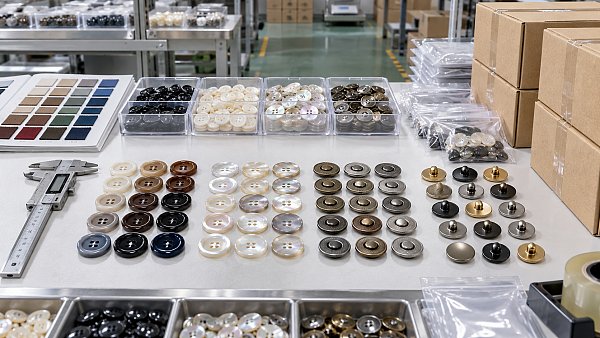
 Garment MfgWhat drives unit costs when buying garment buttons wholesale?Garment buttons wholesale costs depend on material, tooling, finish, MOQ, quality, packing, and freight. Learn how to compare true landed costs and source reliably.Textile Industry AnalystOct 06, 2026
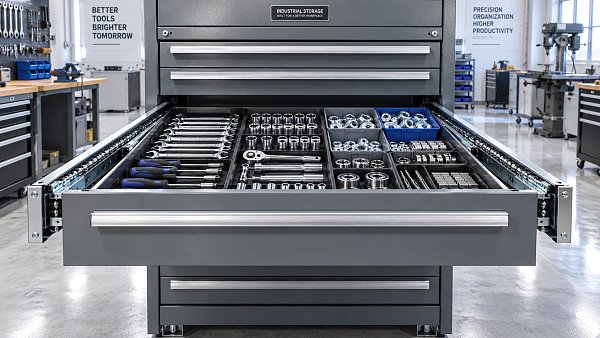
 Building HardwareWhat load rating should you specify for wholesale ball bearing slides?Wholesale ball bearing slides: learn how to specify the right load rating for drawer weight, extension, mounting, and durability. Source smarter and reduce failures.Tooling & Hardware LeadOct 05, 2026
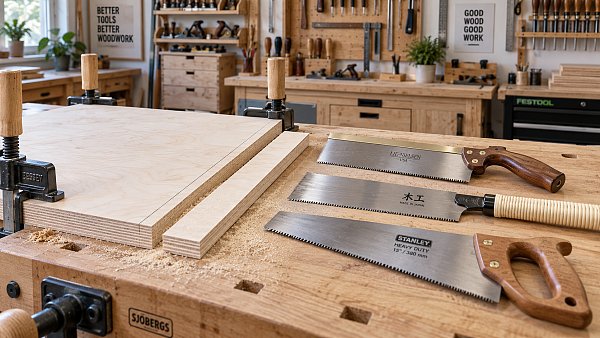
 Hand & Power ToolsHow to choose a hand saw for woodworking without tear-outHand saw for woodworking guide: choose the right tooth pattern, blade, and technique to achieve clean, precise cuts with less tear-out. Explore practical buying tips.Tooling & Hardware LeadOct 04, 2026
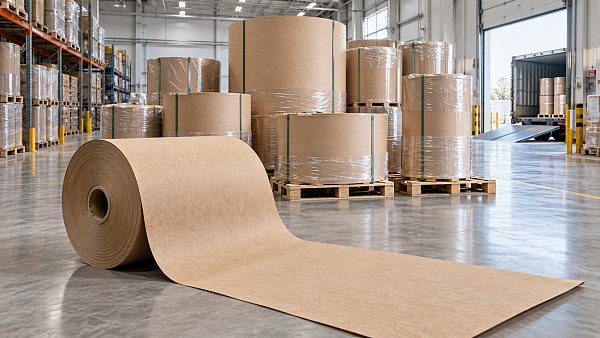
 Eco PackagingWhat affects the price of kraft paper rolls bought wholesale?Kraft paper rolls wholesale pricing depends on grade, basis weight, roll size, order volume, freight, and certifications. Learn how to compare landed costs and choose reliable value.Packaging Supply ExpertOct 03, 2026