Industry News
Curation by industry experts
Hot Articles
Popular Tags
EU's New DPP Rule for Wooden Furniture Takes Effect April 2026
Introduction
Starting April 1, 2026, the European Union will enforce its Ecodesign for Sustainable Products Regulation (ESPR), mandating that all imported wooden furniture, custom cabinets, and wooden decorative components must submit a Digital Product Passport (DPP). This passport must detail material composition, carbon footprint, recyclability, and compliance declarations. Non-compliant products risk being denied entry or detained at customs. This regulation directly impacts Chinese wood product exporters, requiring adjustments to customs processes, ERP system adaptations, and third-party Life Cycle Assessment (LCA) certifications. Industries involved in timber trade, manufacturing, and logistics should closely monitor these changes to avoid disruptions.

Event Overview
The ESPR mandates that all wooden furniture and related products imported into the EU must carry a Digital Product Passport (DPP) from April 1, 2026. The DPP must include verified data on materials, carbon emissions, recyclability, and regulatory compliance. Products lacking this documentation will face customs barriers, potentially delaying or halting shipments. This rule is part of the EU’s broader push toward sustainability and transparency in product lifecycle management.
Impact on Sub-Sectors
Direct Exporters
Wooden furniture exporters to the EU must now integrate DPP requirements into their logistics and compliance workflows. Failure to provide accurate data may result in shipment rejections, leading to financial losses and reputational damage.
Manufacturers and Suppliers
Upstream suppliers, including timber processors and component manufacturers, will need to provide traceable material data to downstream partners. This may require upgrades to tracking systems and closer collaboration with certification bodies.
Logistics and Customs Brokers
Customs clearance processes will become more complex, requiring brokers to verify DPPs before shipment. Delays may occur if documentation is incomplete or inconsistent.
Key Focus Areas and Recommended Actions
1. Adapt ERP and Supply Chain Systems
Exporters should ensure their ERP systems can generate and store DPP-compliant data, including material origins and carbon footprints. Early integration with LCA providers is advisable.
2. Prioritize High-Risk Product Categories
Custom cabinets and decorative woodwork are likely to face stricter scrutiny. Manufacturers should preemptively audit these product lines for compliance gaps.
3. Monitor Regulatory Updates
The EU may refine DPP requirements before 2026. Companies should designate teams to track policy changes and adjust strategies accordingly.
Editor’s Observation
From an industry perspective, the DPP rule signals the EU’s escalating focus on sustainable trade practices. While the immediate operational burden falls on exporters, the long-term effect could standardize eco-transparency across global supply chains. However, the current phase is transitional; businesses should treat this as a wake-up call rather than a finalized framework.
Conclusion
The EU’s DPP mandate underscores the growing intersection of trade and sustainability. For wooden furniture exporters, proactive compliance—not reactive adjustments—will be critical to maintaining market access. Companies should view this as an opportunity to align with global environmental standards while mitigating operational risks.
Sources
- European Commission: Ecodesign for Sustainable Products Regulation (ESPR)
- Pending: Further clarifications on DPP technical specifications (expected 2024–2025)
Recommended News
 Eco PackagingWhat affects the price of kraft paper rolls bought wholesale?Kraft paper rolls wholesale pricing depends on grade, basis weight, roll size, order volume, freight, and certifications. Learn how to compare landed costs and choose reliable value.Packaging Supply ExpertOct 03, 2026
 Commercial LEDHow to evaluate a canopy lights factory before placing a bulk orderCanopy lights factory evaluation guide: verify specifications, compliance, quality control, capacity, and after-sales support before placing a bulk order.Commercial Tech EditorOct 02, 2026
 Commercial LEDHow to choose lighting systems that meet workplace safety needsLighting systems for workplace safety: learn how to control glare, improve visibility, meet environmental demands, and protect workers with reliable, compliant lighting choices.Commercial Tech EditorOct 01, 2026
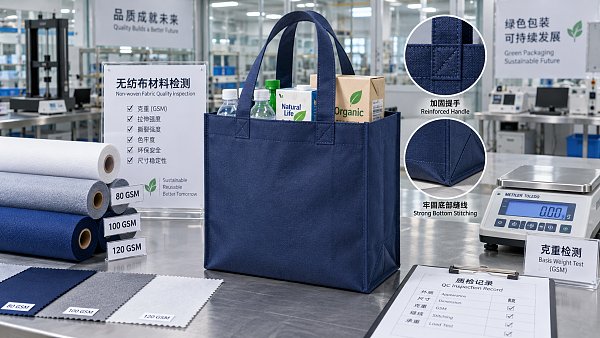
 Fabrics & YarnsWhat fabric weight works best for reusable non woven fabric bags?Non woven fabric for bags: discover the best GSM range for durability, load capacity, print quality, and cost-effective reusable bag sourcing.Textile Industry AnalystSep 30, 2026