Industry News
Curation by industry experts
Hot Articles
Popular Tags
How to Evaluate Collapsible Laundry Hamper Bulk Orders for Material Durability and Storage Efficiency
Start with the failure points, not the quoted unit price
When sourcing collapsible laundry hamper bulk orders, the cheapest offer usually hides the most expensive problems. A hamper is a simple product until it has to survive repeated folding, rough carton handling, humid storage, retail display, and end-user abuse without leaning, tearing, or losing shape. Procurement teams need to evaluate three things together: the fabric or shell material, the folding structure, and how efficiently the product stores and ships in collapsed form.
A practical review starts by asking where failure will happen first. In most bulk orders, it is not the main body panel. It is the stitched handle, the base insert, the spring frame, the rim seam, or the corner stress point where the hamper is folded flat over and over. If the supplier discussion stays at color, logo, and outer dimensions, you are still too early in the process.
Check what the body material really needs to withstand
Not every laundry hamper is buying the same material performance. A dormitory hamper, a hotel housekeeping hamper, and a promotional retail item can look similar in photos and still require different construction choices. Before comparing quotes, define the actual use condition:
- Will it carry light clothing only, or heavier mixed loads including towels and bedding?
- Will users drag it by handles, carry it one-handed, or lift from the rim?
- Will it sit in dry bedrooms, humid bathrooms, laundry rooms, or commercial service areas?
- Is the order for repeated-use inventory or short-cycle promotional distribution?
Those answers change what “durable enough” means. Fabric weight alone is not a complete buying standard. Two hampers can use similar-looking polyester or canvas-like materials and perform very differently because of coating, backing, weave density, seam reinforcement, or frame support. Ask for the material specification sheet and a finished sample from the quoted construction, not a swatch from a similar program.
One common mistake is approving a material because it feels thick in hand. Thickness can hide weak tear performance or poor recovery after folding. For a collapsible product, recovery matters. If the body creases permanently, the hamper starts to look cheap on shelf and unstable in use, even if the fabric itself does not rip.
Treat the folding structure as the core component
In bulk buying, the structure is often where cost reduction shows up first. Suppliers may downgrade wire gauge, simplify the frame channel, reduce board thickness, or remove reinforcement around hinge zones. None of that is obvious in a simple product photo.
Review the collapse mechanism in detail. Is it spring wire, a rigid panel with removable base, a pop-up frame, or fold-flat sidewall construction? Each has a different risk profile.
Do not rely on a one-time open-and-close demo. Ask the supplier to show how the unit behaves after repeated fold cycles and after carton compression. A hamper that opens neatly in a showroom sample may arrive twisted after long transit if the internal frame memory is weak or the packing method is too tight.
Look at seams and handles before you look at finishing details
If the order is meant for real household use, handles deserve more scrutiny than decorative trim. Many returns come from handle pull-out, not panel failure. Check whether handles are stitched into reinforced side seams, bar-tacked at stress points, or only sewn onto the face fabric. The difference matters once the hamper is loaded with wet towels or overfilled by the user.
The same goes for rim seams and edge binding. A clean finish is not enough. You want to know whether the stitching pattern distributes stress or simply closes the fabric edge. Ask for close-up photos of production seams or inspect a pre-production sample inside out. Weak internal construction often looks acceptable from the outside.
Measure storage efficiency in actual cube terms
Storage efficiency is where many buyers leave money on the table. A collapsible hamper is supposed to save space, but savings only materialize if the collapsed dimensions are stable and packable. Ask for three numbers, not one: assembled size, collapsed size, and packed size per unit. Then ask how many units fit per export carton and what the carton dimensions are.
The procurement question is simple: does the foldable design reduce landed cost per usable unit, or does it just sound efficient? Some designs collapse thin but require protective packing that adds back the volume. Others stack well individually but waste space once handles, lids, or rigid trims interfere with carton density.
If your warehouse operation matters, check one more thing: whether collapsed units remain flat after receiving and handling. Products that spring open slightly or shift shape in master cartons reduce pallet stability and make bin storage less predictable.
Ask for the sample in the exact packed configuration
This is a small step that saves a lot of argument later. Buyers often approve a display sample and only later discover that retail-ready or export-ready packing changes the product shape. For collapsible laundry hampers, pack tension matters. Over-compressed units can crease badly, distort the frame, or leave the base insert warped by the time the carton is opened.
Ask the supplier to send one sample exactly as it will be packed for shipment, including insert boards, polybag, inner pack, and carton method if relevant. Open it after transit and check:
- How quickly it returns to usable shape
- Whether corners stay square or collapse inward
- Whether the base sits flat without rocking
- Whether odor, coating marks, or pressure lines appear after unpacking
Define load expectations before discussing quality claims
“Strong enough” is not a usable purchasing term. A supplier may judge strength based on light garments; your customer may expect the hamper to hold blankets. That gap leads to claims and disputes. Instead of arguing over general quality language, define the expected load condition in your product approval process and make sure the sample evaluation reflects it.
For example, if the hamper includes carry handles, test it as a carried product, not just a standing container. Lift a loaded sample repeatedly by the handles. If it includes a lid, check whether the lid still aligns once the body is filled. If it is sold as a slim-space solution, inspect whether the shape remains upright when partially loaded rather than fully packed.
That kind of evaluation is far more useful than broad promises in a quotation sheet.
Separate cosmetic defects from structural defects in your QC checklist
A lot of inspection time gets wasted on minor appearance issues while the real structural risks slip through. For collapsible hampers, your incoming or pre-shipment checklist should clearly separate visual tolerances from function-critical points.
Cosmetic review can cover printing alignment, color consistency, and minor surface marks. Structural review should focus on whether the hamper opens correctly, stands upright, folds flat again, carries load without seam stress, and keeps its base support in place. If your team mixes these categories, factories tend to optimize for visible neatness because it is easier to fix quickly.
Watch for hidden cost drivers in materials and packing choices
Two bulk offers can be close on factory price and still end far apart on total cost. Look at the elements that affect freight, handling, and defect exposure:
- Rigid inserts that improve shape but increase packed thickness
- Metal frames or heavier boards that improve stability but add weight
- Soft materials that lower material cost but raise return risk due to leaning or collapse
- Decorative lids, bamboo rims, or multi-compartment dividers that reduce carton efficiency
This is where a side-by-side landed-cost review matters more than a pure ex-works comparison. For procurement, the right question is not whether a stronger build costs more. It is whether the stronger build lowers waste, improves cube utilization, and protects margin after delivery.
Review supplier capability through consistency, not brochure language
For this product category, supplier capability shows up in repeatability. Can the factory keep frame tension, seam quality, panel cutting, and fold accuracy consistent across the order? A good-looking golden sample is useful, but bulk execution matters more.
During evaluation, ask to review:
- The approved bill of materials for the exact quoted version
- The packing specification tied to the same item code
- A pre-production sample and a production sample if timing allows
- The inspection points used internally for frame shape, stitch quality, and folding function
You are not looking for polished language. You are checking whether the supplier controls the variables that affect durability and storage efficiency in volume production.
Use a buying sequence that reduces rework
A workable order of operations is straightforward. Lock the use case first. Then compare structure types. After that, review the material and seam construction that support that structure. Only then should you finalize packed dimensions, carton count, and price negotiation.
That sequence keeps the team from approving an attractive quote built on a weak frame or an inefficient pack-out. In practice, most bad buys in collapsible laundry hamper bulk sourcing come from evaluating appearance and piece price too early, while leaving function and cube efficiency for the end.
If you need a short rule to guide the decision, use this one: approve the hamper only after the collapsed pack, opened shape, and loaded handling all make sense together. If one of those three fails, the order will cost more than it looks on paper.
Recommended News
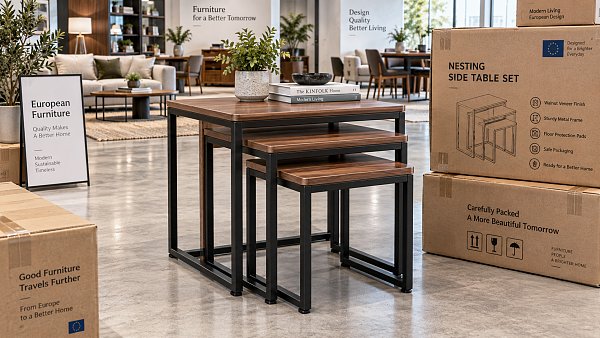
 Home DecorWhat to check before ordering wholesale nesting side tables in EuropeWholesale nesting side tables Europe: assess materials, stability, compliance, packaging, landed cost, and supplier reliability before ordering with confidence.Interior Sourcing LeadSep 19, 2026
 Commercial LEDHow to verify product compliance when sourcing lighting suppliers in GermanyLighting suppliers Germany: learn how to verify CE evidence, test reports, labels, environmental declarations, and production controls before approving orders.Commercial Tech EditorSep 18, 2026
 Textile MachineryWhat capacity should you specify when choosing a garment washing machine manufacturer?Garment washing machine manufacturer guide: choose the right capacity by matching batch loads, wash recipes, daily output, utilities, and downstream line flow.Textile Industry AnalystSep 17, 2026
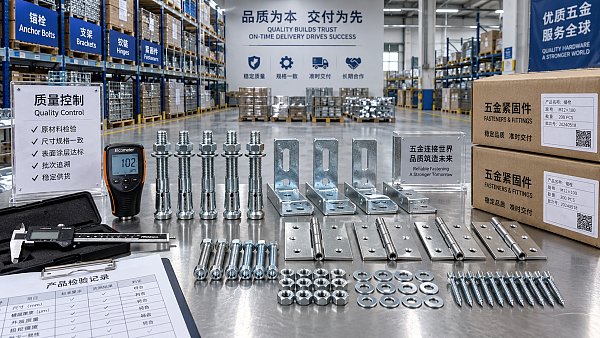
 Supply Chain InsightsHow to vet supplier reliability in hardware materials wholesaleHardware materials wholesale buyers can vet suppliers with practical checks for quality, capacity, compliance, pricing, and delivery reliability. Explore the full framework.Sep 16, 2026