Industry News
Curation by industry experts
Hot Articles
Popular Tags
How to Choose Ergonomic Office Chairs That Truly Improve Long-Hour Comfort
The Link Between Ergonomic Design and the Packaging & Printing Industry
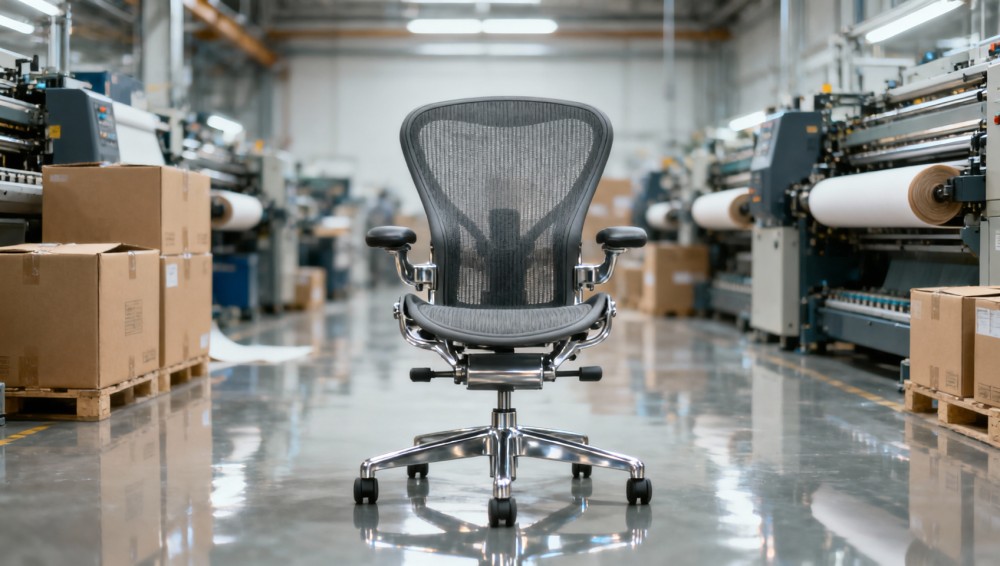
In the packaging and printing industry, where extended hours are spent on material inspection, prepress configuration, and production monitoring, an ergonomic office chair is no longer a luxury—it is a productivity tool. Studies show that repetitive strain injuries can reduce operator efficiency by 12–18%, while optimal ergonomic seating can increase focus time by nearly 25%. Thus, choosing the right chair is a direct investment in both employee well-being and manufacturing precision.
An ergonomic chair tailored for packaging and printing environments must withstand the physical and operational demands of the shop floor. This includes high-resilience foam density of 50–55 kg/m³, corrosion-resistant metal frames, and durable casters resistant to ink or solvent contact. Just as corrugated fiberboard provides layered structural strength, multi-point lumbar support distributes pressure evenly during 8–10-hour shifts.
Material innovation inspired by packaging substrates—such as eco-polypropylene plastics or recycled PET fibers—also contributes to lower carbon footprints. Many factories pursuing ISO 14001 certification are seeking seating with parts that can be disassembled and recycled within 6–8 minutes, meeting circular manufacturing standards.
At the sourcing level, ergonomic equipment procurement mirrors packaging component sourcing: both require verification of supplier reliability, test data, and compliance with occupational safety benchmarks like EN 1335 or ANSI/BIFMA X5.1. This alignment ensures that ergonomic solutions meet both functional and sustainability metrics.
Comparison of Key Ergonomic Features for Industrial Workstations
The following table compares common ergonomic chair configurations suitable for packaging and printing operations.
As illustrated, multi-adjustability and sustainable materials deliver practical and measurable productivity outcomes. As printing facilities implement clean-room standard workflows (Class 10000–30000), choosing antistatic chair casters reduces contamination and upkeep time.
Ergonomic Evaluation Metrics for Long-Hour Operations
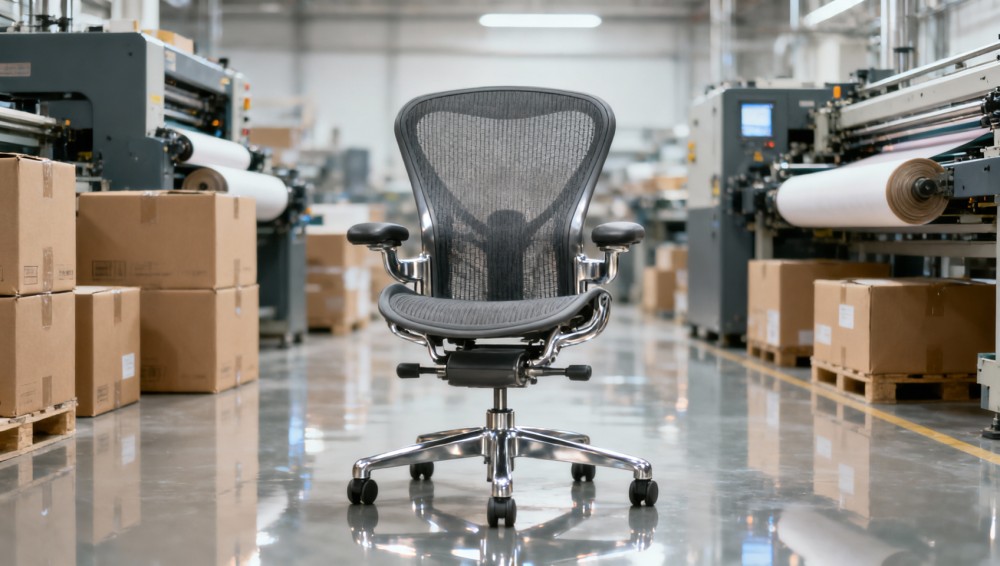
Evaluating office chairs for long-hour comfort involves a matrix of ergonomic, mechanical, and human-centered metrics. In packaging and printing operations, average seated durations reach 420–480 minutes per shift, making ergonomic scoring systems crucial during procurement assessments.
The following six parameters should guide chair selection for operators working across color proofing, digital printing, and packaging design workstations:
- Backrest angle flexibility: 90°–120° tilting range for micro-adjustment during prepress reviews
- Seat depth: 420–480 mm with curvature support ensuring thigh circulation
- Armrest height: 180–250 mm adjustable to align with screen or console positioning
- Dynamic load capacity: ≥120 kg to suit various body types and prolonged use
- Swivel mechanism friction resistance: ≤15 N·m for smooth mobility around machines
- Material resilience: minimum 80,000 Martindale rubs endurance for textile covers
Integrating these data points into a procurement checklist improves cross-departmental consistency between production engineering, safety management, and HR ergonomics teams. About 70% of production accidents related to operator posture occur due to low-quality workstation design—an avoidable issue through standardized furniture sourcing.
In addition, modern ergonomic chairs can include quantitative feedback mechanisms. Some premium models equipped with pressure sensors track seating posture in 5-second intervals, generating daily posture efficiency scores. Although optional, such data facilitate facility-wide comfort benchmarking, reducing absenteeism by up to 8% annually.
Procurement Strategy and Supplier Assessment in the B2B Context
From a sourcing standpoint, the procurement of ergonomic office furniture resembles buying high-quality packaging or printing equipment—focused on technical specifications, safety compliance, and long-term cost efficiency. A structured evaluation strategy streamlines selection and supplier management within international supply networks.
Global Supply Review (GSR) recommends a 4-phase procurement framework for ergonomic chair sourcing applicable to industrial facilities:
- Requirement Definition (1–2 weeks): Identify operator groups, work processes, and health risk factors.
- Supplier Screening (2–3 weeks): Compare three or more audited suppliers with verified production lines.
- Performance Validation (1–2 weeks): Conduct sample trials for at least 50 operating hours per chair model.
- Implementation & Training (1 week): Standardize chair use routines and maintenance instructions.
The supplier selection process should follow a traceable matrix of ergonomic parameters, ESG compliance metrics, and lifecycle cost estimations. The table below provides a sample framework for buyers.
Such an evaluation method allows procurement directors to quantify ergonomic ROI within the same analytical framework used for packaging line upgrades or printing plate replacements. This promotes objective decision-making and long-term comfort assurance.
Maintenance and Lifecycle Management for Ergonomic Seating
Once deployed, ergonomic seating must undergo periodic maintenance similar to preventive servicing schedules for industrial hardware. Typical inspection cycles are every 180 days, focusing on mechanical integrity, textile tension, and height adjustment systems. Chairs in high-humidity printing zones should have fittings treated with anti-rust or nickel coatings to extend usability by up to 20%.
Operators should perform daily 3-step checks: (1) backrest tension test, (2) wheel rotation check, and (3) base stability validation. Facilities adhering to ISO 45001 safety management standards document these checks to reduce reportable incidents by around 5–8% yearly.
Lifecycle analysis indicates that an ergonomic chair with modular replaceable components (like detachable seat cushions) can reduce maintenance costs by 15–22% over five years. Integration of barcode-tagged parts simplifies inventory control—an efficiency method borrowed from packaging logistics systems.
For global exporters, maintaining uniform service standards across regions requires aligning warranty claims with verified supply databases. GSR’s platform supports such traceability, linking product IDs to verified manufacturer credentials and compliance records worldwide.
Frequently Asked Questions About Ergonomic Chairs in Industrial Settings
How long should an ergonomic chair last under manufacturing use?
Under continuous operation in 8–12-hour daily shifts, a high-grade ergonomic chair typically lasts 6–8 years before replacement, assuming standard maintenance every six months. Frame fatigue or pneumatic cylinder wear beyond ±5 mm drift are signs for timely replacement.
Which materials are suitable for ink-heavy or solvent-rich environments?
Chairs with solvent-resistant polyurethane armrests, polypropylene bases, and mesh fabrics with surface tension above 40 dynes/cm resist ink adhesion and chemical degradation, allowing easier cleaning and longer service intervals.
What procurement quantity optimizes cost efficiency?
Bulk procurement in sets of 20–50 units typically achieves 8–12% cost efficiency through consolidated shipping and synchronized warranty coverage. For multinational facilities, regionalized delivery reduces the total logistics cycle time by 3–5 days.
Conclusion and Strategic Call to Action
Selecting ergonomic office chairs that truly improve long-hour comfort is a high-impact decision for packaging and printing professionals. By aligning structural design, sustainability compliance, and supplier transparency, enterprises gain measurable outcomes: higher employee retention, enhanced operational accuracy, and better ESG performance. The parallel between industrial equipment sourcing and ergonomic procurement underscores one truth—every component supporting production must serve both performance and resilience goals.
For B2B buyers and decision-makers aiming to integrate ergonomic comfort into global manufacturing ecosystems, Global Supply Review (GSR) provides verified data, supplier mapping, and technology deep-dives that translate insights into measurable sourcing advantages. Engage with GSR’s industry experts today to obtain a customized ergonomic sourcing plan tailored to your operational needs and sustainability objectives.
Contact us to explore certified ergonomic chair suppliers or request a personalized supplier benchmarking report designed for the packaging and printing sector.
Recommended News
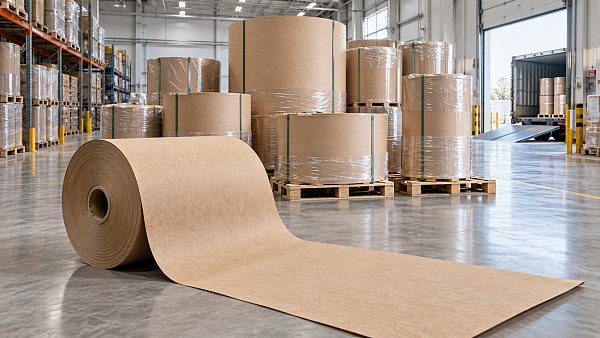
 Eco PackagingWhat affects the price of kraft paper rolls bought wholesale?Kraft paper rolls wholesale pricing depends on grade, basis weight, roll size, order volume, freight, and certifications. Learn how to compare landed costs and choose reliable value.Packaging Supply ExpertOct 03, 2026
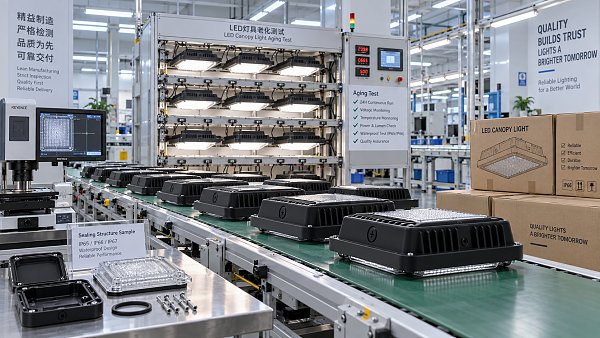
 Commercial LEDHow to evaluate a canopy lights factory before placing a bulk orderCanopy lights factory evaluation guide: verify specifications, compliance, quality control, capacity, and after-sales support before placing a bulk order.Commercial Tech EditorOct 02, 2026
 Commercial LEDHow to choose lighting systems that meet workplace safety needsLighting systems for workplace safety: learn how to control glare, improve visibility, meet environmental demands, and protect workers with reliable, compliant lighting choices.Commercial Tech EditorOct 01, 2026
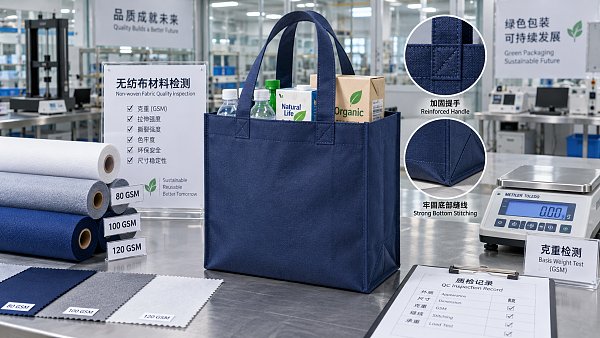
 Fabrics & YarnsWhat fabric weight works best for reusable non woven fabric bags?Non woven fabric for bags: discover the best GSM range for durability, load capacity, print quality, and cost-effective reusable bag sourcing.Textile Industry AnalystSep 30, 2026