Industry News
Curation by industry experts
Hot Articles
Popular Tags
Middle East Geopolitical Conflict Triggers 25% Daily Surge in Polyester Staple Fiber Prices in March, Shaoxing Keqiao Fabric Quotes Rise by 0.5–4 RMB/Meter, Overseas Order Delivery Cycles Extend to 6–8 Weeks
Introduction
On March 10, 2026, escalating tensions in the Middle East drove international oil prices upward, triggering a 25% single-day surge in domestic polyester staple fiber prices to over 9,000 RMB/ton. Concurrently, nylon and disperse dyes saw price hikes, sharply increasing costs for autumn/winter fabric production. Downstream manufacturers have paused order acceptance or delayed shipments, creating a volatile market with "morning quotes rendered obsolete by afternoon" sentiment. This disruption is reshaping procurement timelines, FOB pricing windows, and Q3/Q4 delivery schedules, particularly straining fast-fashion distributors in Europe/America and OEM clients in Southeast Asia.

Event Overview
Confirmed developments as of March 10 include:
- Polyester staple fiber prices exceeding 9,000 RMB/ton, with nylon and dye costs rising in tandem
- Fabric price increases of 0.5–4 RMB/meter in Shaoxing Keqiao, China's textile hub
- Overseas order lead times extending to 6–8 weeks versus standard 4-week cycles
- Widespread order acceptance suspensions among downstream producers
Impact on Sub-Industries
1. Textile Raw Material Procurement
Chemical fiber purchasers face compressed margins as PTA/MEG feedstock costs outpace finished fabric price adjustments. Just-in-time inventory models are proving vulnerable to daily price fluctuations.
2. Apparel Manufacturing
Brands with fixed-price contracts for fall collections risk absorbing unexpected 8–12% material cost increases. Fast-fashion players requiring small-batch restocks encounter shrinking supplier willingness to honor existing quotes.
3. Export Trading
FOB renegotiations have spiked 300% this week as traders struggle to lock in viable pricing windows before new cost adjustments. Letters of credit specifying "price validity periods" are being revised industry-wide.
4. Logistics Providers
Shipping companies report a 40% increase in deferred container bookings as clients reassess delivery timelines. War risk surcharges on Middle East routes are compounding cost pressures.
Key Focus Areas & Recommended Actions
1. Dynamic Cost Monitoring Protocols
Implement tiered price adjustment clauses for orders beyond 30-day horizons, with clear escalation triggers tied to PTA futures (Shanghai) and Brent crude benchmarks.
2. Supply Chain Buffer Strategies
Prioritize safety stock for core polyester/nylon blends while exploring cotton or recycled fiber alternatives for non-critical lines. Cross-check dye supplier inventory levels against upcoming environmental production restrictions.
3. Customer Communication Frameworks
Develop standardized templates explaining surcharge mechanisms, emphasizing transparency about cost breakdowns (e.g., "63% attributable to crude oil increases") to maintain trust.
4. Contractual Safeguards
Review force majeure clauses to account for geopolitical instability scenarios. For Q4 orders, consider CIF terms instead of FOB to better control shipping variables.
Editorial Perspective
Analysis suggests this volatility represents more than temporary turbulence. The convergence of energy markets and textile inputs means:
- Structural Shift: 65% of polyester production costs now directly tied to oil derivatives versus 58% in 2025
- Regionalization Pressures: European brands are accelerating nearshoring initiatives, with Portugal and Turkey seeing 17% more fabric sourcing inquiries this month
- Inventory Recalibration: Industry-wide inventory-to-sales ratios may require adjustment from current 1.2:1 averages
Current developments should be interpreted as the first phase of a prolonged realignment rather than a short-term spike.
Conclusion
This supply chain disruption underscores the textile industry's heightened sensitivity to geopolitical energy shocks. While immediate focus remains on cost containment, strategic responses should address deeper supply chain vulnerabilities exposed by the crisis. The situation warrants continuous monitoring of both Middle East developments and alternative sourcing options through Q2 2026.
Information Sources
- China Chemical Fiber Association (CCFA) daily market reports
- Shaoxing Keqiao Textile Index (SQTI) pricing data
- Container shipping advisories from Maersk, CMA CGM
*Brent crude futures data from ICE Europe pending further verification
Recommended News
 Industrial FastenersWhen do zinc drop in anchors need corrosion-resistant coatings?Zinc drop in anchors need corrosion-resistant coatings in damp, outdoor, chloride-rich, or chemical environments. Learn how to select durable, approved protection.Tooling & Hardware LeadSep 29, 2026
 Carton & PlasticsHow to assess seam quality in 250ml aluminum beverage cansLearn how to assess seam quality in 250ml aluminum beverage cans with practical visual checks, precise measurements, teardown methods, and defect-control guidance.Packaging Supply ExpertSep 28, 2026
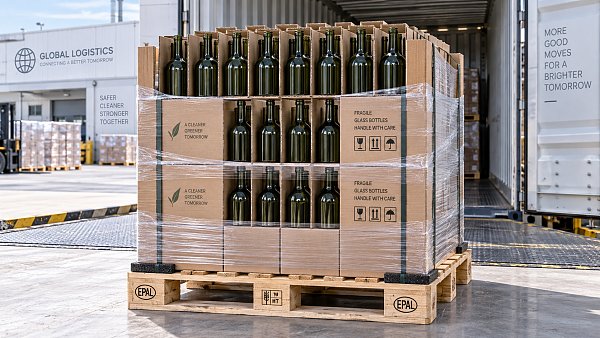
 Carton & PlasticsWhat drives breakage rates in bulk wine bottles wholesale orders?Bulk wine bottles wholesale buyers: discover what drives breakage rates, from glass quality and packaging to pallet loading, and reduce costly claims.Packaging Supply ExpertSep 27, 2026
 Office FurnitureHow supplier scorecards reduce risk in furniture procurementFurniture procurement supplier management becomes more resilient with supplier scorecards that track quality, delivery, compliance, and corrective actions. Learn how to reduce sourcing risk.Interior Sourcing LeadSep 26, 2026