Industry News
Curation by industry experts
Hot Articles
Popular Tags
Three Ministries Issue Action Plan for Standard-Driven Upgrading of Textile Industry
Introduction
On March 31, 2026, China's Ministry of Industry and Information Technology (MIIT) and two other government bodies jointly released the Action Plan for Standard-Driven Optimization and Upgrading of the Textile Industry. The plan sets clear targets for textile standard development by 2028, with particular focus on green and low-carbon production, health and safety, digital transformation, and international standard adoption. This development directly impacts overseas buyers' trust in Chinese textile and leather products' environmental claims, compliance of antibacterial function declarations, traceability requirements for bio-based materials, and multi-standard certifications (CE/UKCA/GB/T). Textile manufacturers, exporters, and supply chain service providers should closely monitor these changes.
Event Overview
The action plan, issued on March 31, 2026, outlines the following key objectives by 2028:
- Development or revision of over 300 textile industry standards
- Priority given to green and low-carbon standards, health and safety requirements, and digital transformation frameworks
- Adoption of at least 10 international standards, with an international standard conversion rate of no less than 85%

Impact on Sub-Sectors
Textile and Leather Exporters
The plan will affect how overseas buyers verify environmental claims (e.g., recycled content, carbon footprint) and functional declarations (e.g., antibacterial properties) for Chinese textile and leather products. Exporters must prepare for stricter documentation requirements, especially for EU and UK markets where CE/UKCA certifications align with updated GB/T standards.
Material Suppliers
Suppliers of bio-based or recycled materials will face enhanced traceability demands. The emphasis on international standard conversion (≥85%) means raw material specifications must simultaneously meet domestic and global criteria, particularly for fibers like organic cotton or regenerated polyester.
Testing and Certification Services
Laboratories and certification bodies should anticipate increased demand for:
- Multi-standard testing (e.g., single reports covering GB/T and ISO)
- Lifecycle assessment (LCA) for green claims verification
- Digital product passports as part of traceability systems
Key Focus Areas and Recommended Actions
1. Green Compliance for EU Market Access
From an industry perspective, the 85% international standard conversion target suggests China aims to reduce technical barriers for textile exports. Suppliers should:
- Audit existing eco-labels (e.g., OEKO-TEX, GRS) against upcoming GB/T revisions
- Preemptively update technical documentation for recycled content claims
2. Digital Traceability Infrastructure
The digital transformation focus implies blockchain or RFID systems may become standardized for supply chain transparency. Mid-sized manufacturers should:
- Evaluate cost-effective traceability solutions compatible with major buyers' systems
- Train QC teams on digital record-keeping for bio-based material verification
3. Proactive Standard Monitoring
Given the three-year implementation window (2026-2028), companies are advised to:
- Subscribe to MIIT's standard development notices
- Join industry associations participating in standard drafting
- Allocate budget for 2027 testing equipment upgrades
Editorial Observation
Analysis shows this plan serves dual purposes: upgrading China's textile industry while addressing growing international scrutiny over sustainability claims. The 10+ international standard adoption target appears strategically set to facilitate exports to regulated markets like Europe. However, actual implementation rigor—especially concerning small suppliers' compliance costs—remains to be seen. The textile sector should treat this as a signaling policy, with concrete operational impacts likely emerging in 2027 when detailed standards get published.
Conclusion
This action plan represents China's systematic response to global textile sustainability trends. While not immediately enforceable, its 2028 targets will progressively reshape production norms and export requirements. Industry players should prioritize understanding the convergence points between revised GB/T standards and major export markets' regulations, particularly in green certification and digital traceability domains.
Source Information
Primary source: Joint announcement by MIIT, SAMR, and SAC (March 31, 2026). Ongoing monitoring required for:
- First batch of revised standards (expected Q4 2026)
- Pilot implementation feedback from selected textile clusters
Recommended News
 Industrial FastenersWhen do zinc drop in anchors need corrosion-resistant coatings?Zinc drop in anchors need corrosion-resistant coatings in damp, outdoor, chloride-rich, or chemical environments. Learn how to select durable, approved protection.Tooling & Hardware LeadSep 29, 2026
 Carton & PlasticsHow to assess seam quality in 250ml aluminum beverage cansLearn how to assess seam quality in 250ml aluminum beverage cans with practical visual checks, precise measurements, teardown methods, and defect-control guidance.Packaging Supply ExpertSep 28, 2026
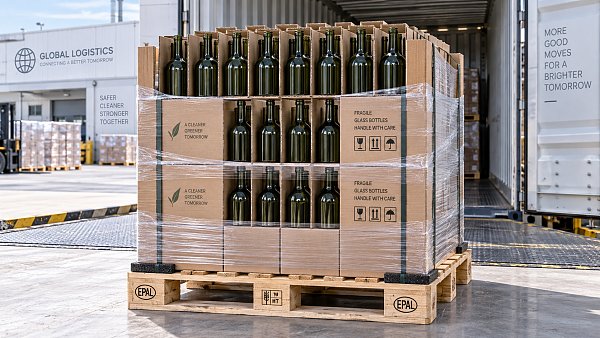
 Carton & PlasticsWhat drives breakage rates in bulk wine bottles wholesale orders?Bulk wine bottles wholesale buyers: discover what drives breakage rates, from glass quality and packaging to pallet loading, and reduce costly claims.Packaging Supply ExpertSep 27, 2026
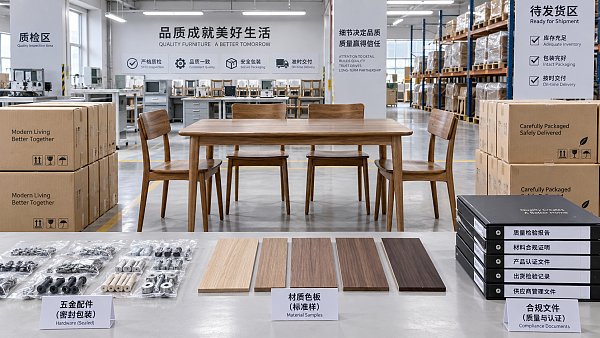
 Office FurnitureHow supplier scorecards reduce risk in furniture procurementFurniture procurement supplier management becomes more resilient with supplier scorecards that track quality, delivery, compliance, and corrective actions. Learn how to reduce sourcing risk.Interior Sourcing LeadSep 26, 2026