Industry News
Curation by industry experts
Hot Articles
Popular Tags
Japan’s JIS S 2029:2026 Adds OTR Testing Frequency Requirements for Food Packaging Aluminum Foil Composite Films, Chinese Exporters Must Equip Fully Automatic Oxygen Transmission Testers to Secure Orders
Introduction
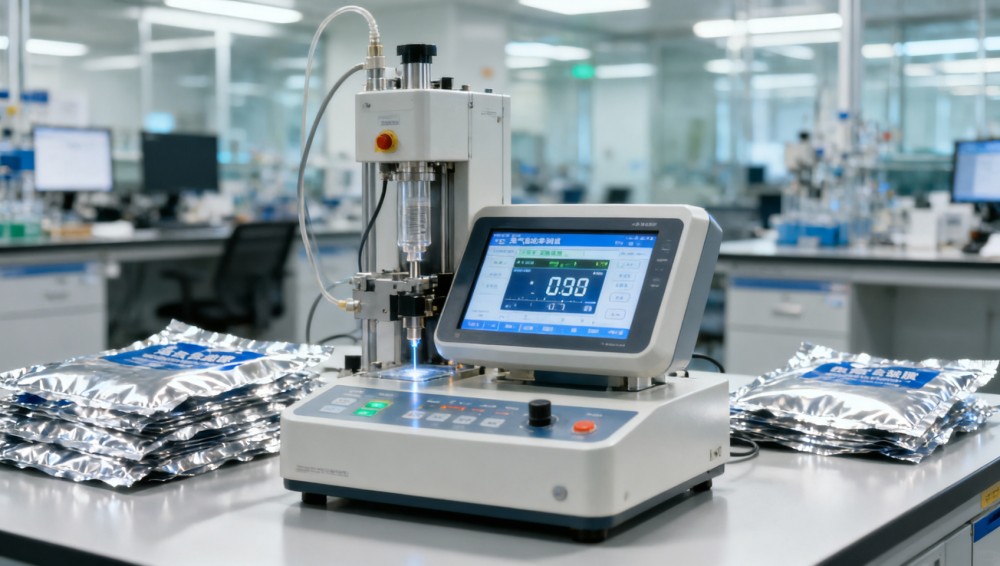
On March 25, 2026, Japan's Ministry of Economy, Trade and Industry confirmed the enforcement of the JIS S 2029:2026 standard, mandating that all food packaging aluminum foil composite films exported to Japan must provide OTR (Oxygen Transmission Rate) test reports for each batch, with testing required to be conducted by JIS-certified laboratories. This development primarily affects food packaging manufacturers, exporters, and supply chain stakeholders in China, as only about 17% of domestic packaging factories currently meet the new equipment requirements. The regulation is already shifting orders to suppliers in South Korea and Malaysia, making it a critical issue for industry players to address promptly.
Event Overview
The JIS S 2029:2026 standard, effective March 25, 2026, introduces stricter OTR testing requirements for food packaging aluminum foil composite films destined for the Japanese market. Key confirmed details include:
- Mandatory OTR testing for every production batch.
- Testing must be performed by JIS-certified laboratories.
- Chinese exporters lacking fully automatic oxygen transmission testers are losing orders to competitors in South Korea and Malaysia.
Impact on Sub-Sectors
Direct Exporters
Exporters specializing in food packaging materials for Japan face immediate order cancellations or delays if they lack JIS-compliant testing capabilities. The shift in orders to other Asian suppliers underscores the urgency of compliance.
Raw Material Suppliers
Suppliers of aluminum foil and composite film materials may experience reduced demand from non-compliant manufacturers, while those aligned with certified facilities could see increased business.
Testing Equipment Providers
Demand for fully automatic oxygen transmission testers is expected to rise sharply as Chinese packaging manufacturers rush to meet the new requirements.
Key Focus Areas and Recommended Actions
Verify Laboratory Certification Status
Exporters should immediately confirm whether their testing partners hold JIS certification. Non-certified labs will render test reports invalid under the new standard.
Assess Equipment Upgrade Timelines
For manufacturers without automatic oxygen transmission testers, evaluating procurement lead times (typically 3-6 months for installation and calibration) becomes critical to minimize order disruptions.
Monitor Japanese Buyer Requirements
Some Japanese importers may impose additional verification steps beyond the JIS standard. Early communication with buyers about compliance documentation can prevent last-minute order rejections.
Editorial Perspective
From an industry standpoint, this regulation appears to signal Japan's broader trend toward stricter quality controls for imported food packaging. While currently affecting aluminum foil composites, similar requirements could extend to other barrier packaging materials. The immediate loss of orders to regional competitors suggests Chinese manufacturers cannot treat this as a gradual compliance issue. The standard's implementation coincides with Japan's increasing focus on food preservation standards, likely influencing other Asian markets over time.
Conclusion
The JIS S 2029:2026 update represents a tangible operational hurdle for China's food packaging exporters, with near-term consequences for market share. Rather than viewing this as an isolated testing requirement, industry participants should interpret it as part of Japan's evolving regulatory landscape for food safety and packaging performance. Proactive equipment investments and supply chain adjustments will be necessary to maintain competitiveness in this key export market.
Source Information
Primary source: Official announcement by Japan's Ministry of Economy, Trade and Industry (March 25, 2026). Industry compliance data based on China Packaging Federation estimates. Ongoing monitoring required for potential adjustments to laboratory certification protocols.
Recommended News
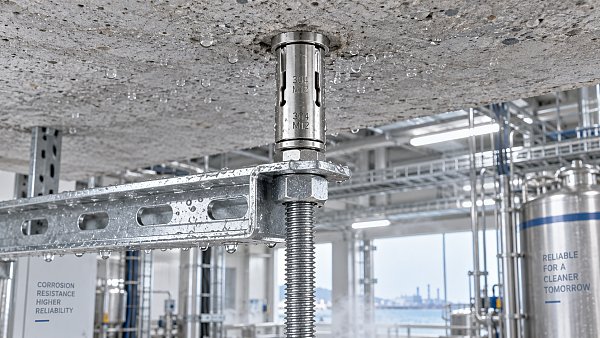
 Industrial FastenersWhen do zinc drop in anchors need corrosion-resistant coatings?Zinc drop in anchors need corrosion-resistant coatings in damp, outdoor, chloride-rich, or chemical environments. Learn how to select durable, approved protection.Tooling & Hardware LeadSep 29, 2026
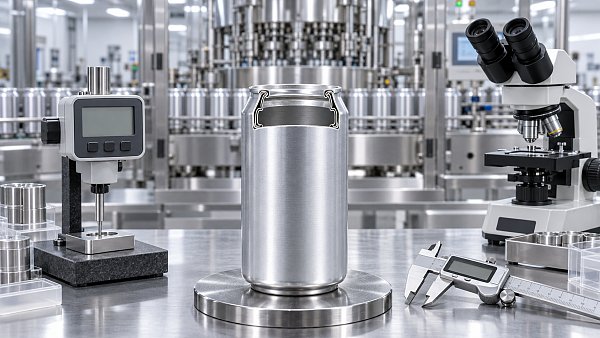
 Carton & PlasticsHow to assess seam quality in 250ml aluminum beverage cansLearn how to assess seam quality in 250ml aluminum beverage cans with practical visual checks, precise measurements, teardown methods, and defect-control guidance.Packaging Supply ExpertSep 28, 2026
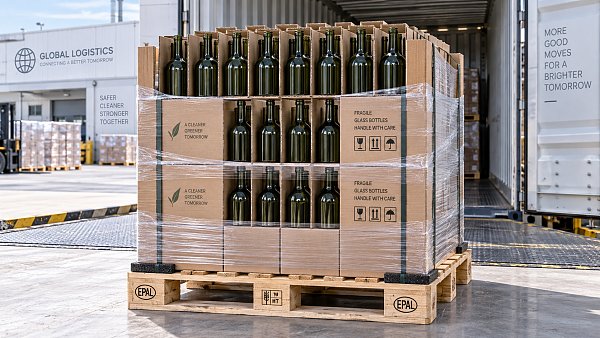
 Carton & PlasticsWhat drives breakage rates in bulk wine bottles wholesale orders?Bulk wine bottles wholesale buyers: discover what drives breakage rates, from glass quality and packaging to pallet loading, and reduce costly claims.Packaging Supply ExpertSep 27, 2026
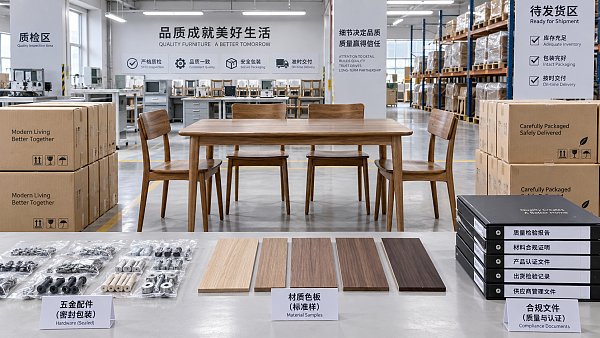
 Office FurnitureHow supplier scorecards reduce risk in furniture procurementFurniture procurement supplier management becomes more resilient with supplier scorecards that track quality, delivery, compliance, and corrective actions. Learn how to reduce sourcing risk.Interior Sourcing LeadSep 26, 2026