Industry News
Curation by industry experts
Hot Articles
Popular Tags
China's White Cardboard and Gold Cardboard Box Export Prices Rise 5%–9% in March 2026 Due to Increased Wood Pulp Costs and Port Storage Fee Hikes
Introduction
On March 30, 2026, the China Packaging Federation reported a 5%–9% increase in FOB prices for white cardboard and gold cardboard boxes, driven by rising wood pulp import costs and a 23% hike in Shanghai Port container storage fees. Delivery times in East China have extended from the usual 3 weeks to 4–6 weeks. This development is critical for packaging manufacturers, export-oriented businesses, and supply chain managers, as it signals potential disruptions and cost pressures across multiple industries.

Event Overview
The price surge stems from two key factors: tightened wood pulp export quotas in Canada's British Columbia province and increased storage fees at Shanghai Port. These changes have directly impacted production costs and logistics timelines for Chinese exporters. Southeast Asian and Middle Eastern buyers are already diversifying their supply chains, shifting some orders to local manufacturers in Vietnam and Thailand.
Impact on Specific Industries
1. Packaging Manufacturers
Directly affected by raw material cost increases, manufacturers face squeezed profit margins unless they can pass costs downstream. The extended lead times complicate production planning and inventory management.
2. Export-Oriented Businesses
Companies relying on Chinese packaging exports now confront higher procurement costs and delivery delays. This may force reevaluation of supplier contracts and pricing structures.
3. Logistics Providers
The port fee increases and extended storage times create operational challenges for freight forwarders and shipping companies handling paper product exports.
Key Considerations and Recommended Actions
1. Monitor Raw Material Price Trends
Track wood pulp market developments and potential policy changes in Canada, as these will continue influencing production costs.
2. Review Supply Chain Strategies
Consider diversifying supplier bases or exploring alternative materials to mitigate risks from single-source dependencies.
3. Adjust Inventory Planning
Factor in longer lead times when managing stock levels, particularly for time-sensitive orders.
4. Client Communication
Proactively inform customers about potential price adjustments and delivery schedule changes to manage expectations.
Industry Perspective
Analysis suggests this situation reflects broader global supply chain adjustments rather than temporary fluctuations. The shift toward "dual-source procurement" by international buyers indicates a potential long-term redistribution of packaging industry demand across Asia. The current price increases may represent an initial market response that could stabilize or intensify depending on raw material availability and logistics cost developments.
Conclusion
This pricing shift highlights the interconnected nature of global packaging supply chains and their vulnerability to raw material and logistics disruptions. Businesses should view this as a prompt to reassess their supply chain resilience rather than simply a cost increase to absorb. The situation warrants ongoing monitoring as market adaptations continue to evolve.
Source Information
China Packaging Federation official announcement, March 30, 2026. Continued monitoring recommended for wood pulp market developments and port fee policy adjustments.
Recommended News
 Industrial FastenersWhen do zinc drop in anchors need corrosion-resistant coatings?Zinc drop in anchors need corrosion-resistant coatings in damp, outdoor, chloride-rich, or chemical environments. Learn how to select durable, approved protection.Tooling & Hardware LeadSep 29, 2026
 Carton & PlasticsHow to assess seam quality in 250ml aluminum beverage cansLearn how to assess seam quality in 250ml aluminum beverage cans with practical visual checks, precise measurements, teardown methods, and defect-control guidance.Packaging Supply ExpertSep 28, 2026
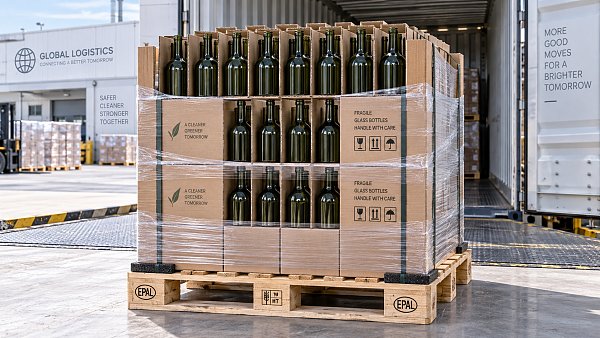
 Carton & PlasticsWhat drives breakage rates in bulk wine bottles wholesale orders?Bulk wine bottles wholesale buyers: discover what drives breakage rates, from glass quality and packaging to pallet loading, and reduce costly claims.Packaging Supply ExpertSep 27, 2026
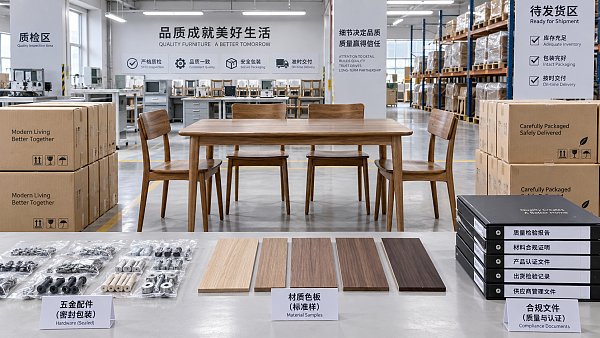
 Office FurnitureHow supplier scorecards reduce risk in furniture procurementFurniture procurement supplier management becomes more resilient with supplier scorecards that track quality, delivery, compliance, and corrective actions. Learn how to reduce sourcing risk.Interior Sourcing LeadSep 26, 2026