Industry News
Curation by industry experts
Hot Articles
Popular Tags
Heavy Duty Stainless Steel Hinges: Common Failure Risks to Check
Heavy Duty Stainless Steel Hinges: Common Failure Risks to Check
For project teams, choosing heavy duty hinges stainless steel hardware is only half the job.
The bigger issue is spotting failure risks before those hinges reach the site.
A hinge failure rarely starts with one dramatic event.
It usually begins with a small mismatch in material, load, alignment, or environment.
That small mistake then grows into sagging doors, corrosion, noise, unsafe movement, and expensive rework.
In real projects, those issues affect schedule control, maintenance planning, and supplier confidence.
This guide explains the most common risks to check when evaluating heavy duty hinges stainless steel products for demanding applications.
Why Heavy Duty Hinges Stainless Steel Fail in Service
Even strong-looking hinges can fail early when design assumptions do not match site conditions.
This is especially true in industrial doors, exterior enclosures, marine cabinets, transport equipment, and heavy access panels.
A stainless steel hinge is not automatically suitable for every environment.
Grade selection, fabrication quality, pin design, fastener compatibility, and installation precision all matter.
From recent procurement trends, the clearer signal is this.
Buyers are now reviewing hinge performance as a system issue, not just a component purchase.
The most frequent root causes
- Wrong stainless steel grade for chloride, moisture, chemicals, or washdown exposure.
- Load ratings based on ideal conditions instead of real operating cycles.
- Poor leaf alignment that creates side loading on the pin.
- Undersized fasteners or weak mounting substrates.
- Insufficient clearance for thermal movement and repeated impact.
- Low-quality finishing that hides defects during incoming inspection.
Risk 1: Corrosion Is Still the First Warning Sign
Corrosion remains one of the most overlooked risks in heavy duty hinges stainless steel sourcing.
Many teams assume stainless steel means maintenance-free performance.
That assumption creates problems fast in coastal, food processing, chemical, and outdoor infrastructure settings.
Grade 304 may work well indoors, yet struggle in chloride-rich environments.
Grade 316 often performs better where salt, cleaning agents, or humidity stay consistently high.
The problem gets worse when dissimilar metals are installed nearby.
Galvanic corrosion can attack the hinge assembly even when the hinge itself appears premium.
What to check before approval
- Confirm stainless grade, not just the words “stainless steel” on the drawing.
- Request salt spray or corrosion resistance data relevant to the application.
- Review nearby metals, coatings, and washers used in the same assembly.
- Check whether weld zones or cut edges received proper finishing and passivation.
When heavy duty hinges stainless steel parts show tea staining early, that is a sourcing warning, not just a cosmetic issue.
Risk 2: Load Ratings Often Look Safer Than They Are
A common buying mistake is trusting catalog load figures without checking test conditions.
That number may reflect static loading, ideal mounting, and controlled lab movement.
Real installations are different.
Doors slam, gates twist, access panels vibrate, and operators apply uneven force.
That means the working load on heavy duty hinges stainless steel assemblies can exceed expectations very quickly.
Over time, overload leads to leaf deformation, pin wear, sagging, and eventual structural failure.
Questions that prevent costly mistakes
- Is the stated load rating static or dynamic?
- How many opening cycles was the hinge tested for?
- Was the rating based on one hinge, a pair, or a full door set?
- Does the application include shock loads, vibration, or misuse?
- What safety factor is needed for the specific operating environment?
In practical sourcing, the safest choice is not the hinge with the biggest number, but the hinge with the clearest performance basis.
Risk 3: Misalignment Creates Silent Damage
Alignment issues often stay hidden during installation and appear later as service complaints.
A hinge can look square but still carry side load.
When leaf faces are not flush, the pin no longer rotates under clean conditions.
Instead, friction rises, wear accelerates, and opening force increases.
This is one reason heavy duty hinges stainless steel units may squeak, bind, or loosen earlier than expected.
The issue becomes more obvious on tall doors, wide panels, and welded frames with poor dimensional control.
Field signs of alignment trouble
- Uneven gaps along the frame edge.
- Door drop soon after installation.
- Scoring marks around the pin or knuckle.
- Higher opening resistance at mid-swing.
- Fasteners loosening without obvious overload.
A simple pre-installation fit check often prevents months of avoidable maintenance work.
Risk 4: Pins, Bushings, and Bearing Surfaces Wear Out First
Not every hinge failure starts in the leaf.
In many cases, the weak point is the moving interface.
Pins, bushings, and bearing surfaces handle repetitive stress with every opening cycle.
If those parts are poorly machined or underspecified, wear progresses quietly.
Eventually, heavy duty hinges stainless steel products develop play, noise, and unstable motion.
For high-cycle doors, this risk deserves the same attention as corrosion and load rating.
Procurement checks that matter
- Pin diameter and material hardness.
- Presence of bushings or bearing inserts for high-cycle use.
- Tolerance consistency across production batches.
- Lubrication method and maintenance access.
- Cycle test evidence under realistic operating weight.
If a supplier cannot explain the wear interface clearly, the long-term reliability claim may be weak.
Risk 5: Fastener and Substrate Failure Is Commonly Misdiagnosed
Sometimes the hinge is blamed when the real failure begins in the mounting system.
Heavy duty hinges stainless steel hardware can only perform as well as its anchors, screws, welds, or backing plates.
Thin sheet metal, weak timber, poor weld penetration, or incorrect thread engagement all reduce actual capacity.
This also means a premium hinge may still fail in a low-quality assembly.
In project execution, this is a coordination issue between hardware selection and structural detailing.
Review these connection details early
- Fastener grade and corrosion compatibility.
- Mounting hole pattern versus actual load path.
- Backing reinforcement for thin panels or hollow frames.
- Specified torque and installation method.
- Potential loosening from vibration or repeated impact.
This is also where supplier drawings should be checked against real site fabrication tolerances.
How to Evaluate Heavy Duty Hinges Stainless Steel Before Purchase
A better buying process reduces surprises later.
Instead of comparing price alone, compare failure exposure across the full use case.
That approach supports longer service life and fewer corrective actions.
A Practical Pre-Installation Checklist
Before releasing hardware to site, run a simple verification routine.
It saves time because hinge problems are cheaper to catch in staging than after commissioning.
- Verify the stainless grade against environmental exposure.
- Confirm hinge size, thickness, and pin specification against door mass.
- Inspect leaf flatness, knuckle alignment, and finish quality.
- Review fasteners, backing support, and mounting substrate strength.
- Perform a trial fit to check swing path and gap consistency.
- Document supplier test reports and approved installation instructions.
This process makes heavy duty hinges stainless steel decisions more defensible during quality reviews.
It also improves communication between procurement, engineering, fabrication, and site teams.
Final Takeaway
Heavy duty hinges stainless steel components support critical access, movement, and safety functions.
That is why failure risk should be reviewed long before installation starts.
The smartest evaluations focus on corrosion exposure, realistic load, alignment accuracy, wear design, and mounting strength.
When those checks are built into sourcing and inspection, maintenance drops and service confidence improves.
Use that framework to review every heavy duty hinges stainless steel option before approval, and the project will be far less likely to pay for hidden mistakes later.
Recommended News
 Home DecorCIFF Guangzhou Sets March 2027 Dates, Focusing on Quality, Innovation and Industry ValueCIFF Guangzhou 2027 runs March 18–21 and 28–31, spotlighting furniture quality and innovation. Explore key sourcing insights to plan visits, compare suppliers and prepare smarter purchasing decisions.Interior Sourcing LeadOct 27, 2026
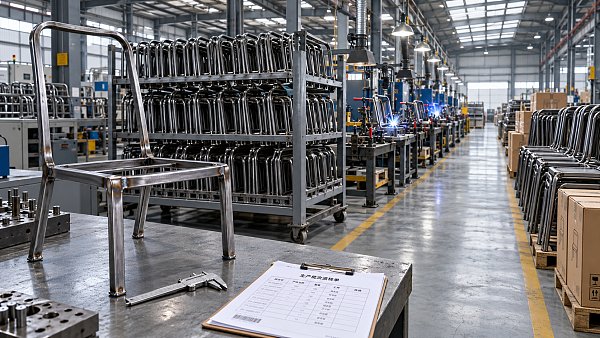
 Supply Chain InsightsHow to verify a metal furniture factory's production capacityVerify a metal furniture factory's production capacity with proven output records, bottleneck checks, and realistic schedules. Learn how to reduce sourcing risks and protect delivery deadlines.Oct 27, 2026
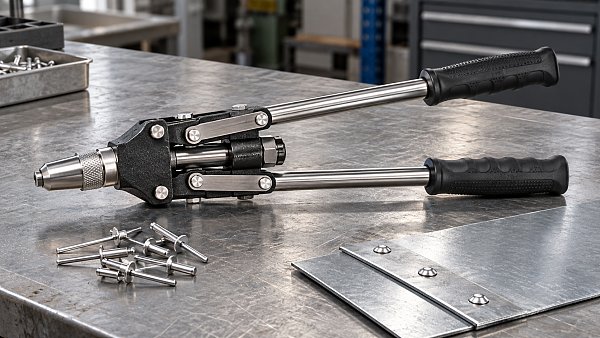
 Hand & Power ToolsDo you need a long handle rivet gun for stainless steel rivets?Need a long handle rivet gun for stainless steel rivets? Discover when extra leverage helps, which tool ratings matter, and how to choose the right riveter for your job.Tooling & Hardware LeadOct 26, 2026
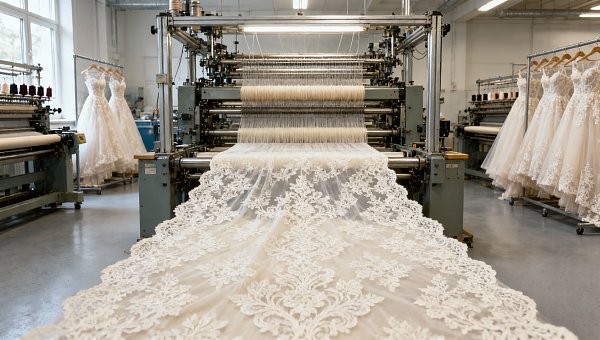
 Textile MachineryItalian Textile Machinery Orders Rise 7% in Q3 2026 as Overseas Demand LeadsItalian textile machinery orders rose 7% in Q3 2026 as overseas demand climbed 8% and domestic orders fell 4%. Explore ACIMIT's figures and what they mean for manufacturers.Textile Industry AnalystOct 25, 2026