Industry News
Curation by industry experts
Hot Articles
Popular Tags
How to Compare Wholesale Hydraulic Fittings by Pressure, Material, and Cost
How to Compare Wholesale Hydraulic Fittings by Pressure, Material, and Cost
Comparing wholesale hydraulic fittings is not just about unit price. It is about matching pressure ratings, material performance, and total sourcing cost to your application.
The right decision lowers leak risk, improves uptime, and supports more stable sourcing. That matters even more when systems run under high pressure and tough working conditions.
In practical buying work, the best wholesale hydraulic fittings are rarely the cheapest on paper. They are the fittings that balance performance, compliance, lead time, and lifetime cost.
Start With Pressure Requirements First
Pressure is the first filter when comparing wholesale hydraulic fittings. If the pressure rating is wrong, material and price comparisons become secondary.
Check working pressure, burst pressure, and surge tolerance. Many failures happen during pressure spikes, not during normal operating conditions.
Also review the full system, not just the fitting itself. Hose, tube, adapter, thread type, and seal design must all support the same pressure range.
Common standards such as JIC, BSP, NPT, and ORFS may look comparable during sourcing. In service, however, sealing behavior can differ significantly.
That also means pressure comparison should include application movement, vibration, and temperature swings. Static test values alone do not tell the whole story.
Pressure Questions Worth Asking Suppliers
- What is the rated working pressure for each size?
- What testing standard was used for burst pressure?
- Are ratings based on carbon steel, stainless steel, or brass bodies?
- Do pressure ratings change with thread style or sealing method?
- Is there performance data for pulsating hydraulic systems?
Compare Material by Environment, Not Habit
Material choice drives durability, corrosion resistance, and maintenance frequency. This is one of the biggest decision points in wholesale hydraulic fittings procurement.
Carbon steel remains the mainstream option for industrial hydraulic systems. It offers strong mechanical performance and competitive cost in high-volume orders.
Stainless steel is usually selected for corrosive environments. Marine equipment, chemical handling, food processing, and outdoor use often justify the premium.
Brass fittings can work well in lower-pressure or specialized fluid systems. Still, they are not a direct replacement for heavy-duty hydraulic duty cycles.
From recent sourcing shifts, plated carbon steel has become a practical middle ground. It improves surface protection without moving immediately to stainless steel.
Material Comparison at a Glance
When comparing wholesale hydraulic fittings, always ask how the plating performs in salt spray, moisture, and chemical exposure. Surface treatment often changes service life more than expected.
Look Beyond Unit Cost
Unit price is only one part of the sourcing equation. Total cost includes installation efficiency, leak reduction, replacement frequency, freight, and inventory complexity.
A low-cost fitting may look attractive during quotation review. If it fails early, the real cost appears later through downtime, warranty claims, and emergency purchases.
This is especially true for wholesale hydraulic fittings used in mobile equipment, agricultural systems, mining machinery, and construction fleets.
A more useful comparison model combines piece price with expected service life and replacement risk. That gives a clearer view of procurement value.
Cost Elements to Compare
- Per-unit price at target order volumes
- Tooling or customization charges
- Packaging quality and damage risk in transit
- Lead time stability across repeat orders
- Defect rate and replacement handling
- Documentation, traceability, and compliance support
In actual business, a supplier with slightly higher pricing can still win if they reduce sourcing friction. Consistency often saves more than aggressive first-order discounts.
Check Thread Type, Seal Design, and Compatibility
Many wholesale hydraulic fittings issues come from compatibility mistakes, not from poor metallurgy. Similar-looking threads can create expensive confusion.
Confirm thread standard, seat angle, seal method, and mating part tolerance. Never assume interchangeability based on appearance alone.
ORFS fittings are often preferred where leak prevention is critical. JIC fittings remain popular for their serviceability and broad market availability.
The better signal is field history. If a fitting family performs well under vibration and repeated assembly, that data deserves real weight during comparison.
Simple Compatibility Checklist
- Match thread type and size exactly.
- Verify sealing face and seat geometry.
- Confirm fluid compatibility with body and seal materials.
- Review torque requirements and installation procedure.
- Request samples before committing to large wholesale hydraulic fittings orders.
Evaluate Supplier Capability, Not Just Product Specs
Reliable wholesale hydraulic fittings sourcing depends on supplier discipline. Product data matters, but manufacturing control matters just as much.
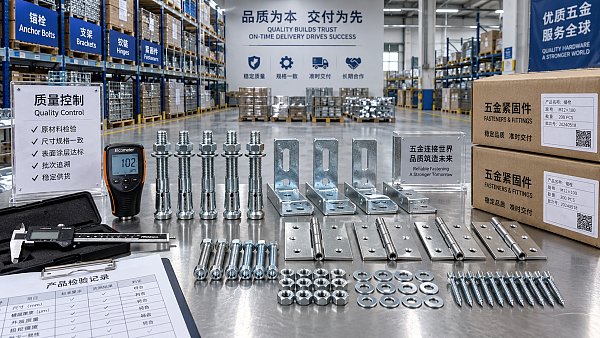
Ask about raw material traceability, thread inspection, pressure testing, plating process, and lot control. These details reveal whether quality is repeatable.
It is also smart to check packaging standards. Poor packing can damage threads, contaminate sealing surfaces, and turn a qualified part into a rejected one.
For ongoing programs, supply stability deserves equal attention. Capacity planning, reorder responsiveness, and communication quality directly affect procurement performance.
Supplier Review Points
- Inspection methods for dimensions and threads
- Pressure test records and sampling frequency
- Material certificates and plating reports
- Experience with export documentation and compliance
- Ability to support custom or mixed wholesale hydraulic fittings orders
Build a Practical Comparison Framework
A clear scorecard makes decisions faster and easier to defend. It also helps align technical, quality, and sourcing teams.
Use weighted criteria instead of relying on instinct. That approach works especially well when evaluating multiple wholesale hydraulic fittings suppliers side by side.
You can adjust the weights by application. Harsh outdoor systems may prioritize material, while factory automation may focus more on compatibility and leakage control.
What matters most is consistency. A repeatable evaluation method leads to better wholesale hydraulic fittings decisions over time.
Final Takeaway
When comparing wholesale hydraulic fittings, start with pressure, then move to material, compatibility, supplier capability, and full landed cost.
That sequence keeps technical risk under control before price becomes the deciding factor. It also creates a more practical and defensible sourcing process.
The most effective purchasing decisions usually come from simple discipline. Ask the right questions, compare the right data, and test before scaling.
If you are reviewing wholesale hydraulic fittings for a new project or supplier base, build a shortlist with these criteria first. It will save time now and prevent costly surprises later.
Recommended News
 Supply Chain InsightsHow to vet supplier reliability in hardware materials wholesaleHardware materials wholesale buyers can vet suppliers with practical checks for quality, capacity, compliance, pricing, and delivery reliability. Explore the full framework.Sep 16, 2026
 Commercial LEDHow custom lighting for exhibition booths shapes product visibilityCustom lighting for exhibition booths enhances product visibility with strategic contrast, accurate color, glare control, and focused display design. Discover practical planning insights.Commercial Tech EditorSep 15, 2026
 Carton & PlasticsWhen do double wall corrugated boxes prevent damage in transit?Double wall corrugated boxes prevent transit damage from stacking, impact, punctures, and long-haul handling. Learn when stronger packaging delivers smarter protection.Packaging Supply ExpertSep 14, 2026
 Carton & PlasticsHow to assess a flat bottom pouch supplier’s quality controlsFlat bottom pouch supplier quality controls: assess materials, seal integrity, traceability, change management, and release processes to reduce packaging risk.Packaging Supply ExpertSep 13, 2026