Industry News
Curation by industry experts
Hot Articles
Popular Tags
Stainless Steel Fasteners for Marine: 316 vs 304 in Saltwater Use
Choosing stainless steel fasteners for marine applications is not only about corrosion resistance. It directly affects safety, service life, inspection frequency, and replacement cost in aggressive saltwater conditions.
When comparing 316 and 304, the key issue is chloride exposure. Saltwater accelerates pitting, crevice attack, and tea staining, especially in splash zones and poorly ventilated joints.
This guide explains how to evaluate stainless steel fasteners for marine use. It covers performance differences, common risks, selection criteria, and practical specification advice for long-term saltwater service.
What is the real difference between 316 and 304 for marine fasteners?
Both 304 and 316 are austenitic stainless steels. Both offer good formability, solid toughness, and broad availability in bolts, screws, nuts, washers, and threaded rods.
The major difference is chemistry. 316 contains molybdenum, while 304 does not. That addition significantly improves resistance to chloride-induced pitting and crevice corrosion.
In dry indoor settings, 304 often performs well. In coastal air, brine spray, dock hardware, and submerged assemblies, 316 is usually the more reliable choice.
For stainless steel fasteners for marine use, this difference matters because failure rarely begins as uniform rust. It often starts as small localized pits hidden under washers or trapped moisture.
- 304: suitable for mild environments, freshwater, and protected exterior applications.
- 316: preferred for saltwater exposure, splash zones, and high-humidity coastal service.
- 316L: often selected when welding is involved and lower carbon content is beneficial.
Why does saltwater exposure make 316 the usual choice?
Saltwater contains chlorides. Chlorides break down the passive oxide film that protects stainless steel. Once the film is damaged, localized corrosion can develop quickly.
304 can appear acceptable at installation, then deteriorate faster than expected. This is common where salt deposits remain wet, oxygen is limited, or surface contamination is present.
316 better resists these conditions. It is not immune to corrosion, but it usually retains appearance and function longer under repeated salt exposure.
Typical high-risk areas include railings, deck fittings, cleats, ladders, hatch hardware, pump mounts, and fastening points near bilges or engine compartments.
If the fastener sits in a crevice, such as beneath a washer or sealant edge, corrosion risk rises sharply. In such cases, stainless steel fasteners for marine systems should favor 316.
Saltwater conditions that accelerate failure
- Intermittent wetting and drying cycles
- Deposited salt crystals on exposed threads
- Poor drainage around joints
- Contact with carbon steel particles
- Warm, humid, low-ventilation compartments
Does 316 always outperform 304 in strength and durability?
Not in every metric. Mechanical properties of standard 304 and 316 fasteners are often broadly similar, depending on grade, cold working, and product standard.
The practical advantage of 316 in marine service is corrosion durability, not dramatic strength gains. A strong fastener loses value if pits reduce section thickness or initiate cracking.
For static loading, many engineers focus first on corrosion class, then on fastener property class, thread engagement, and joint design.
In saltwater assemblies, retained integrity over time usually matters more than small differences in initial tensile values. This is why lifecycle performance often favors 316.
Another point is galling. Austenitic stainless fasteners can seize during tightening. This applies to both 304 and 316, especially with fine threads and high-speed installation.
How to reduce galling risk
- Use anti-seize suitable for marine service.
- Avoid excessive installation speed.
- Keep threads clean and undamaged.
- Verify torque values instead of overtightening.
Which marine applications can still use 304, and where is 316 necessary?
304 still has a place in less aggressive conditions. It can be suitable for interior cabin hardware, protected enclosures, or components exposed mainly to freshwater.
It may also work for temporary fixtures, non-critical covers, or sheltered coastal installations with frequent cleaning and low structural consequence.
However, 316 should be treated as the baseline for critical stainless steel fasteners for marine environments. This includes direct seawater contact and recurring salt deposition.
What common mistakes lead to premature corrosion in marine fasteners?
A frequent mistake is assuming all stainless steel behaves the same. The phrase “stainless” is often misunderstood as “rust-proof,” which creates unrealistic expectations in chloride environments.
Another mistake is mixing metals without considering galvanic corrosion. Contact between stainless steel and less noble metals can accelerate damage when an electrolyte is present.
Surface contamination is another hidden problem. Carbon steel tooling dust, iron particles, or improper storage can initiate staining and corrosion on otherwise suitable fasteners.
Joint design also matters. Water-trapping geometries, unsealed crevices, and inaccessible inspection points can make even 316 underperform in harsh service.
High-impact specification errors
- Choosing 304 for direct salt spray exposure
- Ignoring washer, nut, and backing plate material compatibility
- Skipping passivation or post-fabrication cleaning
- Using stainless fasteners in oxygen-starved crevices without review
- Focusing only on purchase price instead of replacement cost
How should stainless steel fasteners for marine projects be selected?
Start with the exposure category. Ask whether the fastener is inside, outside, splashed, submerged, or installed in a trapped-moisture zone.
Then review consequence of failure. Cosmetic trim hardware has different risk than steering linkage mounts, structural brackets, or safety-critical handholds.
For most exposed marine assemblies, 316 offers the safer balance of corrosion resistance and lifecycle value. For very aggressive zones, design review should go beyond alloy choice alone.
Specification should include grade, finish, thread type, anti-galling approach, compatible mating materials, and maintenance interval. Material choice without installation discipline is incomplete.
FAQ: quick answers on 316 vs 304 in saltwater use
Can 304 stainless be used near the ocean?
Yes, in sheltered and low-risk areas. It is less dependable for exposed salt-laden environments.
Is 316 completely corrosion-proof in seawater?
No. It resists chloride attack better, but poor design and trapped moisture can still cause corrosion.
Are 316 fasteners worth the higher price?
Usually yes for exposed marine service. Lower replacement frequency often offsets the initial premium.
Should washers and nuts match the bolt grade?
Ideally yes. Mixed components can undermine corrosion performance and create compatibility issues.
What is the biggest hidden risk?
Crevice corrosion under washers, sealants, and tight overlaps where saltwater remains trapped.
For most exposed applications, stainless steel fasteners for marine service should default to 316 rather than 304. The reason is simple: chloride resistance drives long-term reliability in saltwater conditions.
A sound decision should balance alloy selection, joint design, installation practice, and maintenance reality. If the environment includes spray, splash, or seawater contact, 316 is generally the more defensible specification.
Use this comparison as a practical screening tool. Review exposure, failure consequence, and total ownership cost before finalizing stainless steel fasteners for marine projects.
Recommended News
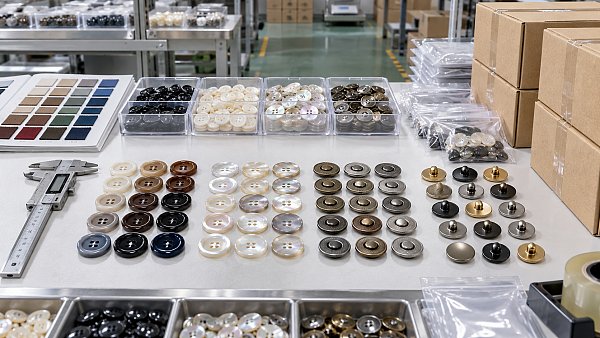
 Garment MfgWhat drives unit costs when buying garment buttons wholesale?Garment buttons wholesale costs depend on material, tooling, finish, MOQ, quality, packing, and freight. Learn how to compare true landed costs and source reliably.Textile Industry AnalystOct 06, 2026
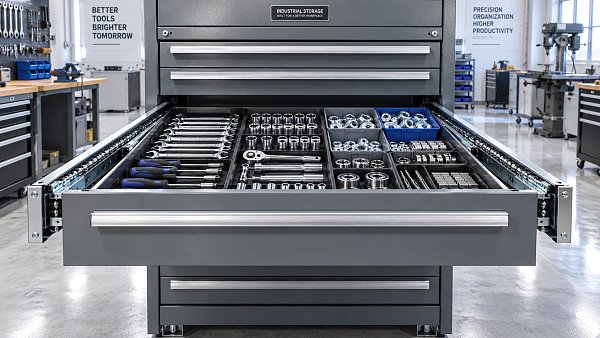
 Building HardwareWhat load rating should you specify for wholesale ball bearing slides?Wholesale ball bearing slides: learn how to specify the right load rating for drawer weight, extension, mounting, and durability. Source smarter and reduce failures.Tooling & Hardware LeadOct 05, 2026
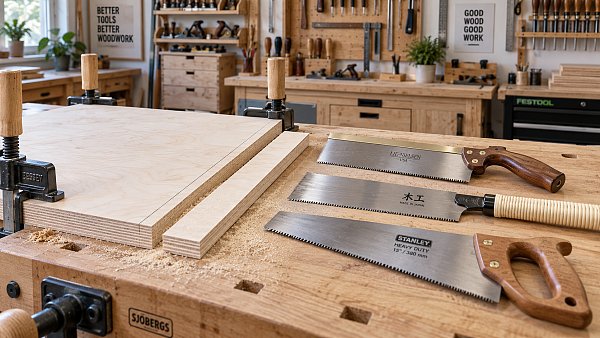
 Hand & Power ToolsHow to choose a hand saw for woodworking without tear-outHand saw for woodworking guide: choose the right tooth pattern, blade, and technique to achieve clean, precise cuts with less tear-out. Explore practical buying tips.Tooling & Hardware LeadOct 04, 2026
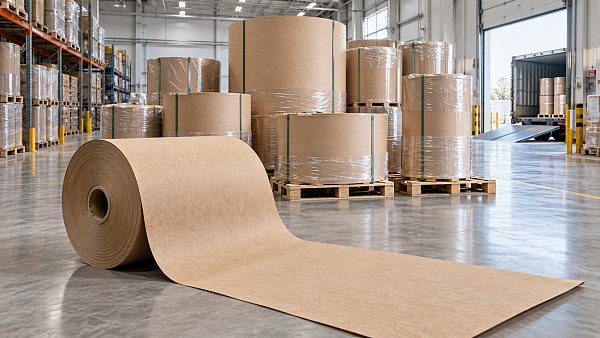
 Eco PackagingWhat affects the price of kraft paper rolls bought wholesale?Kraft paper rolls wholesale pricing depends on grade, basis weight, roll size, order volume, freight, and certifications. Learn how to compare landed costs and choose reliable value.Packaging Supply ExpertOct 03, 2026