Industry News
Curation by industry experts
Hot Articles
Popular Tags
Glass Bottles Wholesale for Cosmetics: Cost Factors and MOQ Risks
For teams evaluating glass bottles wholesale for cosmetics, unit price is only one line in a much larger cost structure. Mold charges, surface decoration, carton design, breakage rate, freight swings, and rigid MOQ terms often change the economics after quotation review. A sourcing decision that looks attractive on paper can create slow inventory, cash pressure, and refill delays once production starts. This guide outlines the cost drivers and MOQ risks that matter most, so buying decisions support margin control and supply continuity.
Why a Checklist Matters in Glass Bottles Wholesale for Cosmetics
Cosmetic packaging buying involves more variables than standard commodity purchasing. A bottle can require a custom mold, a matched pump or cap, color consistency, regulatory decoration, and transit-safe packing at the same time.
Without a checklist, cost reviews tend to focus on ex-works price and miss secondary charges. In glass bottles wholesale for cosmetics, those hidden items usually appear later as urgent tooling fees, rework costs, split shipments, or obsolete stock.
A structured review also improves supplier comparison. Two quotes may show similar unit prices, but one may include decoration setup, stronger export cartons, and better MOQ flexibility. That difference directly affects landed cost and working capital.
Core Checklist: Cost Factors and MOQ Risks to Verify
- Confirm bottle weight, glass type, and dimensional tolerance before price comparison, because lighter bottles may reduce freight but increase breakage risk or filling-line instability.
- Request full mold cost details, including ownership, maintenance, cavity count, sampling rounds, and future reuse terms for repeat orders or factory changes.
- Check decoration pricing separately for frosting, silk screen, hot stamping, spray coating, labeling, and color matching, since each process can carry setup fees and scrap risk.
- Verify MOQ by component, not only by bottle, because caps, droppers, pumps, collars, and outer cartons often have different minimums than the glass container.
- Compare packed volume and pallet efficiency, because air space inside cartons raises logistics cost and may erase savings from low bottle unit pricing.
- Review defect allowance, breakage standards, and replacement policy in writing, especially for long-distance shipping where cosmetic glass packaging faces repeated handling.
- Assess lead time in stages, including mold development, sample approval, bulk production, decoration, and dispatch, to identify where delays can affect launch schedules.
- Model total landed cost under different order sizes, because glass bottles wholesale for cosmetics often looks cheaper at high volume but creates inventory drag.
- Audit carton specification, dividers, pallet wrap, and drop-test approach, since inadequate transit packaging can turn a low quote into high claims exposure.
- Negotiate MOQ flexibility using blanket forecasts, mixed-SKU production windows, or staged deliveries instead of accepting a single large buy that locks up cash.
Where Total Cost Usually Increases
Tooling and Development
Custom cosmetic bottles rarely start with unit pricing alone. New molds can require significant upfront payment, and complex silhouettes may need more sampling rounds before approval.
If mold ownership terms are vague, changing suppliers later becomes expensive. For glass bottles wholesale for cosmetics, clear tooling rights reduce switching friction and protect long-term sourcing flexibility.
Decoration and Secondary Processing
Decoration often changes economics more than the bottle itself. Frosting, metallization effects, gradient spraying, and premium print finishes add labor, setup, yield loss, and longer quality inspection cycles.
A low bottle quote can become a high finished-pack quote after decoration is added. Always request side-by-side pricing for plain, partially decorated, and fully decorated versions.
Freight, Damage, and Storage
Glass is heavy and fragile, so freight and warehouse handling matter more than in plastic packaging. Ocean freight volatility, destination handling, and local storage cost must be included in landed cost analysis.
High MOQ orders may lower unit price, but they also increase space usage and slow-moving stock risk. In practice, cheaper buying can still produce weaker cash conversion.
Scenario Notes for Different Cosmetic Packaging Needs
Skincare Launches With Uncertain Demand
New launches often face forecast uncertainty. In this case, glass bottles wholesale for cosmetics should prioritize lower MOQ structures, stock molds, and standard neck finishes.
This approach reduces tooling exposure and allows formula or branding changes without carrying excess decorated inventory. It also shortens replenishment if early demand outperforms projections.
Premium Lines Requiring Strong Shelf Impact
Premium lines often demand heavier glass, custom color, and advanced decoration. Here, cost discipline depends on separating image-critical features from optional details that add little conversion value.
It is often smarter to invest in one standout element, such as custom frosting or hot stamping, than to stack multiple finishing steps that raise defect rates.
Multi-SKU Programs Across Regions
Regional programs create complexity through varied language requirements, label content, and pack-out standards. Shared bottle platforms with localized decoration usually provide better control than fully unique bottle designs.
For glass bottles wholesale for cosmetics, modular sourcing lowers MOQ pressure by pooling demand across several SKUs while preserving market-specific branding.
Frequently Missed Risks
Component MOQ Mismatch
A bottle MOQ may appear manageable, while pumps or caps require much larger runs. This creates stranded inventory if one component changes or fails quality checks.
Color Reproduction Drift
Custom sprayed or printed finishes can shift between lots. If master standards, tolerance ranges, and approval samples are not documented, reorders may not match existing shelf stock.
Hidden Sampling Costs
Prototype rounds, courier fees, and revised decoration samples can quietly raise project cost. These should be budgeted before comparing competing suppliers.
Unclear Reorder Terms
Some factories offer attractive first-order pricing but raise decoration or packaging charges on smaller reorders. Repeat-order terms should be confirmed at quotation stage.
Practical Execution Steps
- Build a landed cost sheet that includes tooling, decoration, packaging, freight, duty, warehouse handling, and expected breakage.
- Standardize RFQ templates so each supplier quotes the same bottle weight, finish, decoration scope, carton specification, and MOQ basis.
- Ask for MOQ options at three levels, such as pilot, standard, and annual volume, to reveal flexibility hidden behind headline pricing.
- Run a small transit test before mass purchase to validate inner packing, palletization, and real-world damage resistance.
- Use forecast sharing and release schedules to negotiate production planning without taking immediate delivery of the full quantity.
Conclusion and Next Action
Glass bottles wholesale for cosmetics becomes more competitive when evaluation moves beyond simple bottle price. The real decision sits at the intersection of tooling, decoration, logistics, breakage exposure, and MOQ structure.
Start with a quote comparison sheet built around total landed cost and component-level minimums. Then test whether each supplier can support flexible replenishment, consistent decoration quality, and packaging durability.
That process reduces cost surprises, limits excess stock, and creates a more resilient sourcing model for cosmetic glass packaging over multiple order cycles.
Recommended News
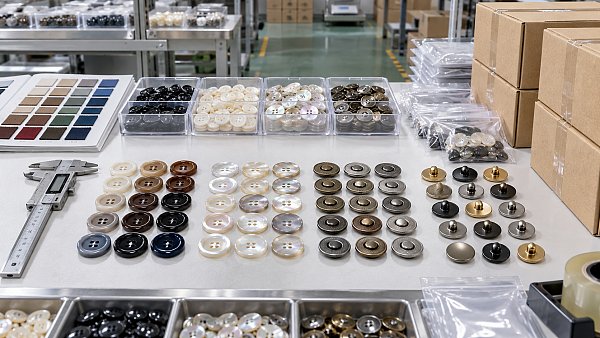
 Garment MfgWhat drives unit costs when buying garment buttons wholesale?Garment buttons wholesale costs depend on material, tooling, finish, MOQ, quality, packing, and freight. Learn how to compare true landed costs and source reliably.Textile Industry AnalystOct 06, 2026
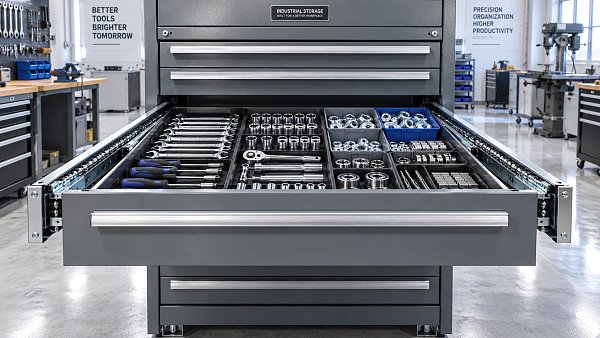
 Building HardwareWhat load rating should you specify for wholesale ball bearing slides?Wholesale ball bearing slides: learn how to specify the right load rating for drawer weight, extension, mounting, and durability. Source smarter and reduce failures.Tooling & Hardware LeadOct 05, 2026
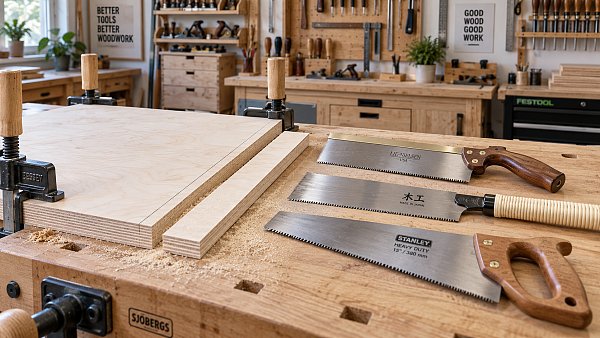
 Hand & Power ToolsHow to choose a hand saw for woodworking without tear-outHand saw for woodworking guide: choose the right tooth pattern, blade, and technique to achieve clean, precise cuts with less tear-out. Explore practical buying tips.Tooling & Hardware LeadOct 04, 2026
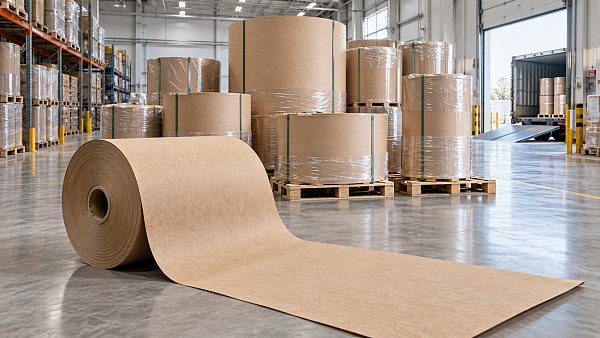
 Eco PackagingWhat affects the price of kraft paper rolls bought wholesale?Kraft paper rolls wholesale pricing depends on grade, basis weight, roll size, order volume, freight, and certifications. Learn how to compare landed costs and choose reliable value.Packaging Supply ExpertOct 03, 2026