Industry News
Curation by industry experts
Hot Articles
Popular Tags
Wholesale Hydraulic Floor Jacks: Key Load Ratings and Safety Checks Before Ordering
Wholesale Hydraulic Floor Jacks: Key Load Ratings and Safety Checks Before Ordering
For teams sourcing wholesale hydraulic floor jacks, load ratings and safety checks shape both cost and operational risk.
A lower unit price means little if returns rise, certifications fail, or field performance causes downtime.
That is why buyers should review rated capacity, lifting range, materials, seals, wheels, and compliance before ordering.
This guide breaks down the practical points that matter most when comparing wholesale hydraulic floor jacks from global suppliers.
Why Load Ratings Deserve Closer Attention
Load rating is usually the first spec reviewed, yet it is often misunderstood during sourcing.
Many buyers look only at the headline tonnage, such as 2-ton, 3-ton, or 5-ton capacity.
In practice, rated capacity must match real lifting conditions, product design, and safety margin expectations.
For wholesale hydraulic floor jacks, the useful question is not only “How much can it lift?”
It is also “At what height, under what geometry, and with what stability?”
A jack rated for passenger vehicles may fail procurement expectations in mixed fleets or workshop distribution channels.
This becomes more important when end markets include SUVs, pickups, vans, or light commercial vehicles.
Common Capacity Bands in Bulk Purchasing
- 2-ton models fit standard sedans and compact vehicles.
- 3-ton models often serve the broadest aftermarket demand.
- 4-ton to 5-ton options support heavier vehicles and workshop use.
- Low-profile variants target sports cars and reduced ground clearance.
- Long-chassis versions help reach deeper underbody lift points.
From a cost view, 3-ton wholesale hydraulic floor jacks often offer the best balance between versatility and inventory turnover.
Still, that balance changes by region, vehicle mix, and the service profile of downstream customers.
The Core Specifications Buyers Should Compare
When reviewing wholesale hydraulic floor jacks, capacity should be only one line on the comparison sheet.
Several technical details directly affect warranty claims, user satisfaction, and transport efficiency.
Minimum and Maximum Lift Height
Minimum saddle height matters for low-clearance vehicles.
Maximum lift height matters for tire changes, underbody access, and workshop convenience.
A product with wide height coverage usually performs better across varied retail and professional channels.
Construction Material
Steel models are common for durability and cost control.
Aluminum versions reduce weight, improve portability, and usually target premium or racing-oriented demand.
Hybrid steel-aluminum designs can bridge performance and pricing, but only if weld quality is consistent.
Hydraulic System Quality
Cylinder machining, seal materials, and oil retention all affect service life.
For wholesale hydraulic floor jacks, oil leakage is one of the fastest ways to lose margin after delivery.
Ask suppliers about seal brand, cycle testing, and temperature performance during storage and transport.
Wheel and Caster Design
Larger rear wheels and stable front rollers improve movement under load.
Poor caster construction creates user complaints, especially in workshops with uneven or coated floors.
Handle Length and Pump Efficiency
Longer handles improve leverage.
Dual-pump systems can reduce lifting time, which adds value in professional use settings.
That added value should be weighed against price sensitivity in entry-level distribution markets.
Safety Checks to Complete Before Placing a Bulk Order
A reliable sourcing decision depends on more than a sample unit that looks solid on first inspection.
Buyers should define a pre-order safety review that can be repeated across suppliers and production batches.
1. Verify Rated Capacity Test Evidence
Request static and dynamic load test records, not just a printed label.
Ask whether testing is done per batch, per model, or only during initial product development.
2. Check Overload Protection
Overload bypass or relief valve design helps prevent unsafe operation.
This feature is especially important for wholesale hydraulic floor jacks sold into broad aftermarket channels.
3. Inspect Welds and Structural Points
Pay close attention to lifting arm welds, side plates, saddle mounts, and wheel brackets.
Visible inconsistency often signals process variation that later appears as field failure.
4. Review Lowering Control
The release mechanism should lower smoothly and predictably.
A jerky descent increases safety risk and drives negative reviews in end-user markets.
5. Confirm Labeling and Instructions
Load limit labels, warnings, operating steps, and maintenance notes should be durable and market appropriate.
Missing or unclear labeling can create import issues and post-sale liability exposure.
Compliance and Documentation That Support Safer Purchasing
Documentation quality often reveals more about a supplier than the brochure does.
For wholesale hydraulic floor jacks, documentation should support customs clearance, channel compliance, and internal supplier approval.
Key Documents to Request
- Product specification sheet with dimensional tolerances.
- Load test reports and inspection records.
- Material or component declarations for major parts.
- User manual and warning label artwork.
- Relevant conformity documents for destination markets.
- Warranty policy and spare parts support statement.
Depending on the market, buyers may also review factory audit records, packaging test data, and traceability procedures.
This matters even more when selling through large retail accounts or private-label programs.
A Simple Supplier Review Table
Cost Control Without Compromising Safety
Price pressure is normal in this category, especially for container-scale purchasing.
However, the cheapest wholesale hydraulic floor jacks often create hidden costs after shipment.
Those costs show up in leakage claims, broken casters, unstable lifts, damaged packaging, and replacement labor.
A better approach is to calculate total landed risk, not only quoted unit price.
Practical Cost Questions to Ask
- What is the claim rate from recent export orders?
- Are spare parts available for pumps, handles, and wheels?
- How are units protected against oil seepage during transit?
- Can packaging pass drop and vibration expectations?
- Does the supplier support pre-shipment inspection?
In actual business terms, stronger packaging and better seals may save far more than a small price concession.
How to Shortlist the Right Wholesale Hydraulic Floor Jacks
A useful shortlist should compare product fit, supplier control, and documentation readiness together.
That makes evaluation faster and reduces late-stage surprises.
- Define target vehicle applications and preferred capacity bands.
- Screen wholesale hydraulic floor jacks by lift range and construction type.
- Review test reports, overload protection, and weld quality evidence.
- Check packaging, labeling, and destination market documentation.
- Compare landed cost against expected warranty and claim exposure.
- Approve a final sample tied to mass production standards.
That final step is critical.
A good sample without batch consistency does not protect purchasing performance.
Final Takeaway
Choosing wholesale hydraulic floor jacks is not just a capacity decision.
It is a sourcing decision that affects safety, claims, customer trust, and long-term margin.
The strongest orders usually come from a simple discipline: verify load ratings, inspect structural quality, confirm compliance, and price for total risk.
With that approach, wholesale hydraulic floor jacks become easier to compare, safer to import, and more reliable to sell at scale.
Recommended News
 Home DecorCIFF Guangzhou Sets March 2027 Dates, Focusing on Quality, Innovation and Industry ValueCIFF Guangzhou 2027 runs March 18–21 and 28–31, spotlighting furniture quality and innovation. Explore key sourcing insights to plan visits, compare suppliers and prepare smarter purchasing decisions.Interior Sourcing LeadOct 27, 2026
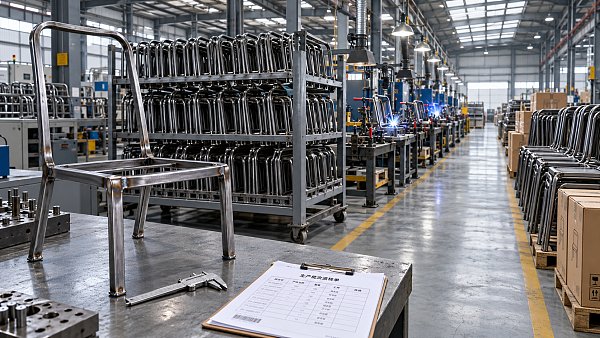
 Supply Chain InsightsHow to verify a metal furniture factory's production capacityVerify a metal furniture factory's production capacity with proven output records, bottleneck checks, and realistic schedules. Learn how to reduce sourcing risks and protect delivery deadlines.Oct 27, 2026
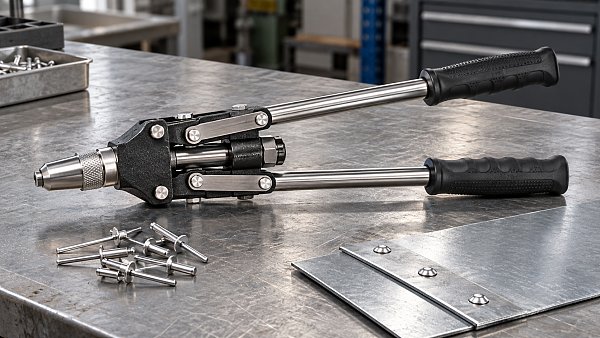
 Hand & Power ToolsDo you need a long handle rivet gun for stainless steel rivets?Need a long handle rivet gun for stainless steel rivets? Discover when extra leverage helps, which tool ratings matter, and how to choose the right riveter for your job.Tooling & Hardware LeadOct 26, 2026
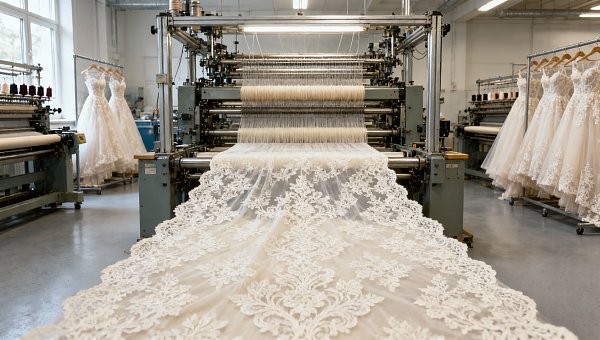
 Textile MachineryItalian Textile Machinery Orders Rise 7% in Q3 2026 as Overseas Demand LeadsItalian textile machinery orders rose 7% in Q3 2026 as overseas demand climbed 8% and domestic orders fell 4%. Explore ACIMIT's figures and what they mean for manufacturers.Textile Industry AnalystOct 25, 2026