Industry News
Curation by industry experts
Hot Articles
Popular Tags
Wuxi Expo Highlights Smart Bridal Display Exports
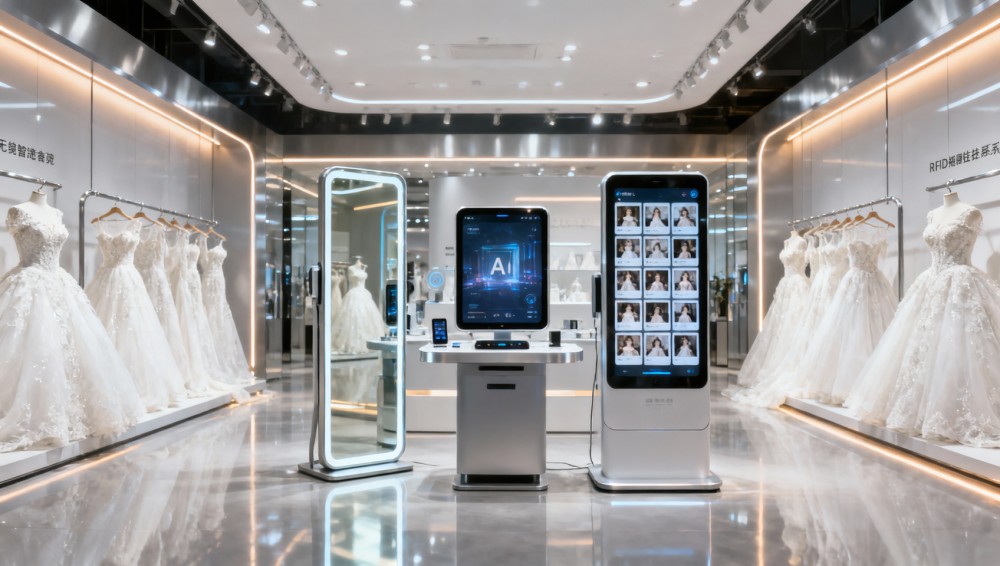
On June 25, 2026, the fourth Yangtze River Delta Cross-Border E-Commerce and Intelligent Manufacturing Expo opened in Wuxi, where a dedicated zone for smart hardware in bridal retail drew attention from the trade. With more than 80 Chinese exhibitors showing products such as AI fitting mirrors, RFID gown hanging systems, and AR album interaction screens, and with intended export deals reaching US$120 million, the development deserves close attention from bridal equipment suppliers, cross-border sellers, channel buyers, and service providers watching demand for integrated “bridalwear + smart hardware” solutions in emerging overseas wedding markets.
What the Expo Confirmed
The event took place on June 25, 2026, at the fourth Yangtze River Delta Cross-Border E-Commerce and Intelligent Manufacturing Expo in Wuxi. A themed section focused on scenario-based smart hardware for bridal applications attracted more than 80 Chinese manufacturers.
Products presented in that section included AI bridal fitting mirrors, RFID bridal gown hanging systems, and AR interactive album screens. According to the event summary provided, intended export orders signed on site totaled US$120 million.
The main destination markets for those intended orders were the Middle East, including Saudi Arabia and the United Arab Emirates, Southeast Asia, including Thailand and Vietnam, and Eastern Europe, including Poland and the Czech Republic.
Why This Matters Along the Supply Chain
For exporters of bridal retail equipment
From an industry perspective, the signal is not only about individual devices but about bundled procurement. Export-oriented suppliers serving bridal stores, showrooms, and wedding service venues may be affected because overseas buyers appear to be evaluating hardware as part of a combined commercial setup rather than as isolated products.
The business impact is likely to show up in product packaging, quoting structure, and after-sales communication. What deserves closer attention is whether buyers continue to ask for integrated combinations that connect display, inventory handling, and customer interaction.
For manufacturers combining hardware with bridal use cases
Analysis shows that manufacturing companies are likely to feel the effect most directly when product development is tied to bridal scenarios. The products highlighted at the expo were not generic retail devices; they were presented in a use context linked to fitting, display, and store interaction.
This means manufacturers may need to pay closer attention to how equipment is adapted to bridal operations, including how products are described, demonstrated, and grouped for export discussions.
For channels and overseas buyers
Channel distributors and procurement-side participants may be affected because the reported demand points to growing interest in one-stop sourcing. For these buyers, the key issue is likely to be whether a supplier can provide a coherent solution set instead of separate standalone items.
Observably, market interest is coming from emerging wedding consumption markets in the Middle East, Southeast Asia, and Eastern Europe. That puts more focus on market matching, category selection, and the practical suitability of product combinations for local sales channels.
For supply chain and service providers
Service providers involved in cross-border delivery, documentation, installation coordination, and buyer communication may also be affected. If integrated solutions become a larger part of export negotiations, support work may extend beyond shipment itself into coordination across multiple product categories in one order flow.
What deserves closer attention is whether customer expectations start to include more complete delivery arrangements and clearer documentation around combined product offerings.
What Companies Should Track Next
Whether demand remains focused on integrated packages
Based on the event information, the clearest practical point is the rise in procurement interest for integrated “bridalwear + smart hardware” solutions. Companies should watch whether follow-up inquiries continue to center on bundled systems rather than on single devices.
How target markets differ in actual order conversion
The intended export orders were mainly directed to Saudi Arabia, the United Arab Emirates, Thailand, Vietnam, Poland, and the Czech Republic. Companies involved in sales and fulfillment should track whether buyer requirements, order composition, and communication needs differ across these markets instead of assuming one export approach fits all of them.
Whether product presentation matches bridal scenarios
The expo spotlighted products tied to fitting, hanging, and interactive display. For suppliers, this makes product presentation a practical issue: not just what the device does, but how clearly it fits bridal retail and wedding consumption settings in buyer discussions.
Documentation, delivery timing, and customer alignment
Analysis shows that when multiple devices are discussed as one solution, execution risk can shift into order confirmation, specification alignment, and delivery coordination. Companies should therefore pay attention to supplier qualification materials, order documentation, fulfillment timelines, and expectation-setting with overseas buyers.
How to Read the Signal at This Stage
Observably, this development is best understood as a meaningful market signal rather than a fully settled industry conclusion. The confirmed facts show exhibitor concentration, a visible product mix, and intended export orders tied to several emerging overseas wedding markets.
Analysis shows that the stronger takeaway is the direction of buyer interest: overseas channels are showing clearer procurement attention toward integrated bridal display and smart hardware combinations. At the same time, intended orders at an exhibition are not the same as completed long-term market validation, so the pace and consistency of follow-through still need observation.
What the Update Suggests for the Industry
This expo update points to a more specific change in export conversation: bridal-related smart hardware is being discussed as part of a packaged commercial solution, not only as a standalone equipment category. For the industry, that matters because it can affect how products are developed, sold, documented, and delivered across borders.
It is more appropriate to understand this as an early but concrete sign of shifting procurement preferences in selected overseas markets. The event does not by itself confirm a broad structural change, but it does indicate an area that manufacturers, exporters, channels, and service providers should continue to monitor closely.
Source Note and Verification Status
This article is generated from the user-provided news title, event date, and event summary. The factual basis used here is limited to that provided information.
For this type of industry update, commonly relevant source categories may include official event announcements, company statements, industry association releases, authoritative media coverage, and standard-setting or trade-related documents. A specific official source link was not provided in the input, so further verification remains necessary.
Areas for continued tracking include whether intended orders translate into sustained export activity, whether demand remains centered on integrated bridal smart hardware solutions, and whether the identified destination markets continue to lead follow-up procurement.
Recommended News
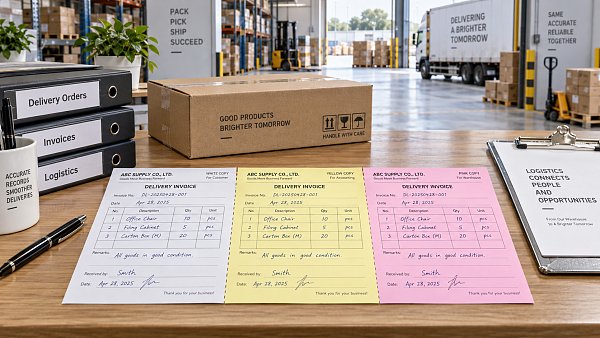
 Office Paper & Printing PaperWhen does carbonless paper for invoices reduce billing errors?Carbonless paper for invoices reduces billing errors by creating clear, consistent copies for deliveries, service calls, and approvals. Learn when it strengthens billing control.Packaging Supply ExpertSep 24, 2026
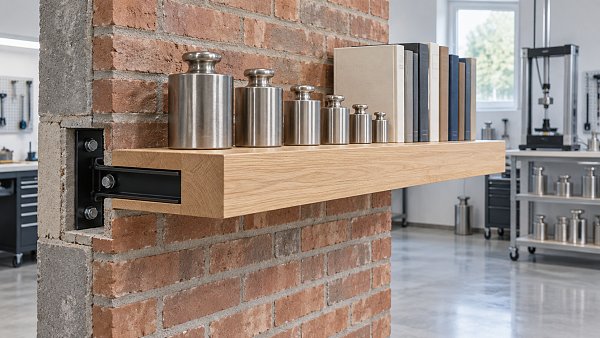
 Home DecorHow to compare floating wall shelves suppliers for consistent load capacityFloating wall shelves supplier comparison guide: evaluate load capacity, brackets, wall fixings, testing, and production consistency before you buy.Interior Sourcing LeadSep 23, 2026
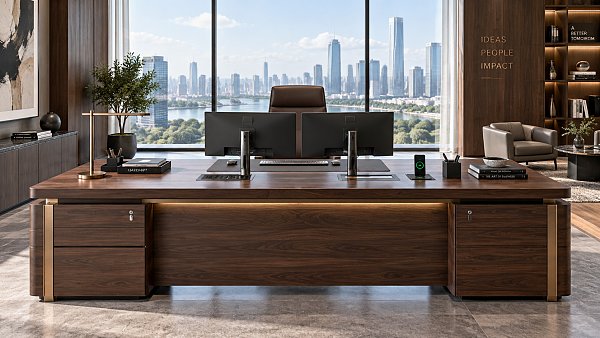
 Office FurnitureWhen does a custom executive office desk justify its higher cost?Discover when a custom executive office desk is worth the investment—from tailored layouts and integrated technology to durable materials and long-term value.Interior Sourcing LeadSep 22, 2026
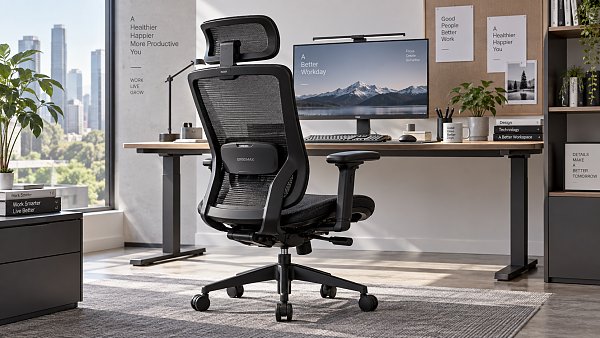
 Office FurnitureWhich high back ergonomic office chairs fit all-day desk work?High back ergonomic office chairs for all-day desk work: compare lumbar support, seat depth, armrests, recline, and materials to find a better fit.Interior Sourcing LeadSep 21, 2026