Industry News
Curation by industry experts
Hot Articles
Popular Tags
Vietnam Requires SRV Certification + Translated Manuals for Wedding LED Lights
On May 16, 2026, the Ministry of Industry and Trade of Vietnam (MOIT) issued an internal directive (No. 1278/BCT-XTQT) to all port customs authorities, mandating stricter compliance for imported LED lighting equipment used in wedding photography. The new requirement signals a formal end to the previous transitional period and reflects Vietnam’s broader push toward standardized energy efficiency enforcement and consumer protection in niche lighting segments.
Event Overview
On May 16, 2026, Vietnam’s Ministry of Industry and Trade (MOIT) circulated Directive No. 1278/BCT-XTQT to all customs offices at entry points. It stipulates that, effective immediately, all imports of LED lighting products designated for wedding photography must concurrently submit: (1) the original Vietnamese SRV Energy Efficiency Certification; and (2) a notarized Vietnamese translation of the Chinese-language user manual — certified first by a notary public in China, then authenticated by the Embassy of Vietnam in China. MOIT explicitly confirmed that the prior leniency period—during which only SRV certification was required—has concluded.
Industries Affected
Direct trading enterprises: Exporters and cross-border distributors of Chinese-made wedding LED lights face immediate operational friction. Compliance now requires dual-track documentation preparation (certification + bilingual notarization), extending lead time for customs clearance by 7–12 working days on average. Delays may trigger demurrage charges or contractual penalties with Vietnamese buyers.
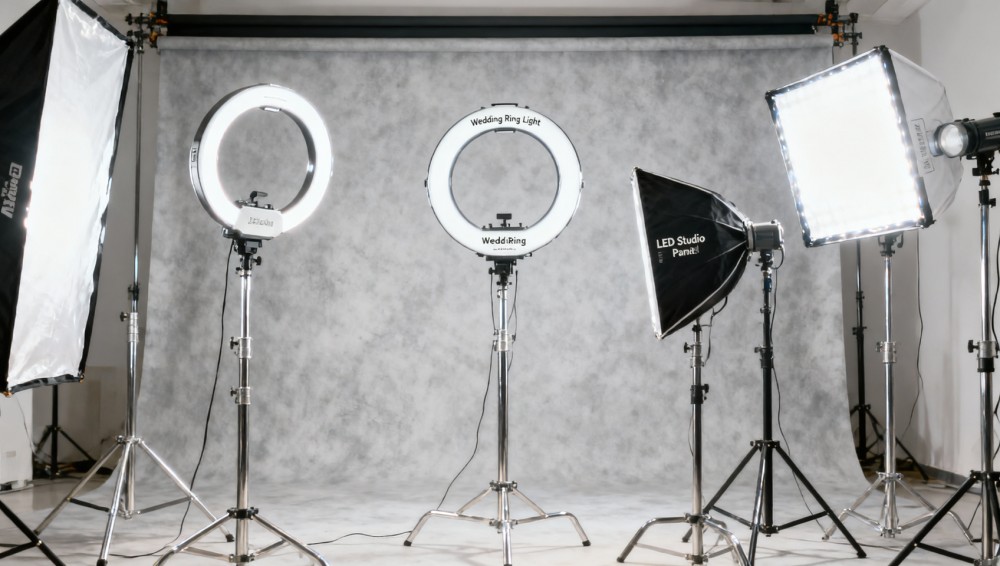
Raw material procurement enterprises: Firms sourcing LED modules, drivers, or control systems from China for local assembly in Vietnam must verify whether upstream suppliers can provide compliant technical documentation. Absent such support, procurement teams risk importing non-clearable components — especially if final assembled units fall under MOIT’s definition of “wedding photography lighting” (e.g., ring lights, softboxes with integrated LEDs, portable studio panels).
Manufacturing enterprises: Domestic assemblers and OEMs producing wedding-specific LED fixtures in Vietnam are now liable for downstream compliance—even if they import subcomponents rather than finished goods. MOIT’s guidance does not exempt kits or semi-knocked-down (SKD) shipments; classification hinges on end-use labeling and marketing materials, not physical form alone.
Supply chain service enterprises: Customs brokers, certification consultants, and translation-notarization facilitators report rising demand for bundled SRV application + dual-certified manual services. However, few providers currently offer verified turnaround times under 10 business days for the full sequence — creating a bottleneck in service capacity and pricing volatility.
Key Points for Enterprises & Recommended Actions
Confirm product scope before shipment
Not all LED lighting is covered: MOIT’s directive applies specifically to products marketed or labeled for wedding photography use. Enterprises should audit product catalogs, packaging, and e-commerce listings for terms like “wedding ring light”, “bridal portrait panel”, or “studio wedding lamp”. Ambiguous labeling increases customs scrutiny risk.
Initiate SRV certification early — and verify validity
SRV certification is product-model-specific and typically takes 4–6 weeks. Applications submitted after May 16 must include Vietnamese test reports and factory audits. Certificates issued before this date remain valid only if still within their 3-year validity window — but MOIT now requires submission of the original paper certificate, not scanned copies or digital confirmations.
Secure notarization via authorized channels only
The Vietnamese Embassy in China accepts notarization only from designated Chinese notary offices (e.g., Beijing Notary Office, Shanghai Huangpu Notary Office). Unrecognized notaries invalidate the entire process. Enterprises should request written confirmation of notary eligibility from their service provider before initiating translation.
Update commercial invoices and packing lists
Customs now cross-check declared HS codes (e.g., 9405.40.90 for LED lamps) against product descriptions. Invoices must explicitly state “LED lighting for wedding photography” where applicable — omission may result in reclassification, additional duties, or return-to-origin orders.
Editorial Perspective / Industry Observation
Observably, this directive is less about targeting wedding lighting per se and more about testing enforcement readiness for Vietnam’s upcoming national lighting efficiency roadmap (expected Q4 2026). Wedding LED products serve as a low-volume, high-visibility category — ideal for piloting documentation rigor without systemic trade disruption. Analysis shows that similar dual-certification requirements previously rolled out for household LED bulbs (2023) and commercial downlights (2025) followed identical phased implementation patterns: leniency → internal guidance → mandatory enforcement. From an industry perspective, this signals tightening convergence between Vietnam’s SRV framework and ASEAN’s regional energy labeling harmonization efforts — though alignment remains partial and enforcement uneven across sectors.
Conclusion
This policy shift underscores a structural recalibration in Vietnam’s import governance: regulatory clarity is increasingly paired with procedural stringency, especially in technically nuanced categories. For exporters, it reinforces that compliance is no longer just about meeting technical specs — it is equally about mastering documentary logistics across jurisdictions. A rational interpretation is that Vietnam is prioritizing traceability and consumer-facing transparency over speed — a trend likely to extend beyond lighting into adjacent electronics segments in coming quarters.
Source Attribution & Ongoing Monitoring
Official source: Internal Directive No. 1278/BCT-XTQT, issued by the Ministry of Industry and Trade of Vietnam (MOIT), dated May 16, 2026. Publicly accessible summary available via MOIT’s official portal (www.moit.gov.vn) under “Regulatory Updates – Import Requirements”. Note: MOIT has not yet published an English version or formal FAQ. Stakeholders are advised to monitor updates from Vietnam’s General Department of Vietnam Customs (GDVC) and the National Authority on Standards, Metrology and Quality (STAMEQ), particularly regarding potential expansion to other LED applications (e.g., videography, beauty lighting) and possible fee adjustments for SRV certification renewal.
Recommended News
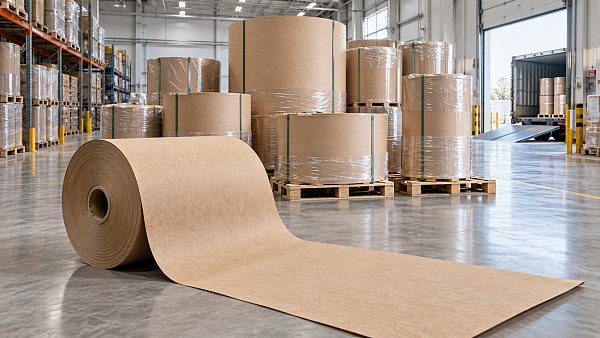
 Eco PackagingWhat affects the price of kraft paper rolls bought wholesale?Kraft paper rolls wholesale pricing depends on grade, basis weight, roll size, order volume, freight, and certifications. Learn how to compare landed costs and choose reliable value.Packaging Supply ExpertOct 03, 2026
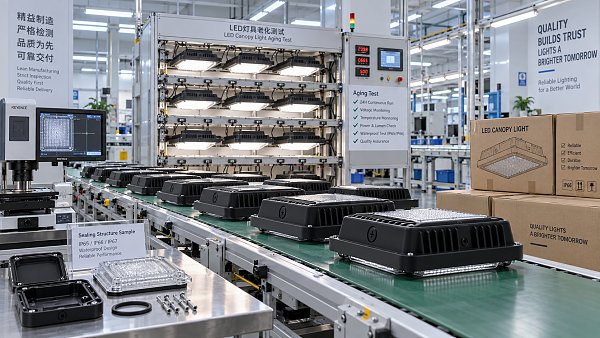
 Commercial LEDHow to evaluate a canopy lights factory before placing a bulk orderCanopy lights factory evaluation guide: verify specifications, compliance, quality control, capacity, and after-sales support before placing a bulk order.Commercial Tech EditorOct 02, 2026
 Commercial LEDHow to choose lighting systems that meet workplace safety needsLighting systems for workplace safety: learn how to control glare, improve visibility, meet environmental demands, and protect workers with reliable, compliant lighting choices.Commercial Tech EditorOct 01, 2026
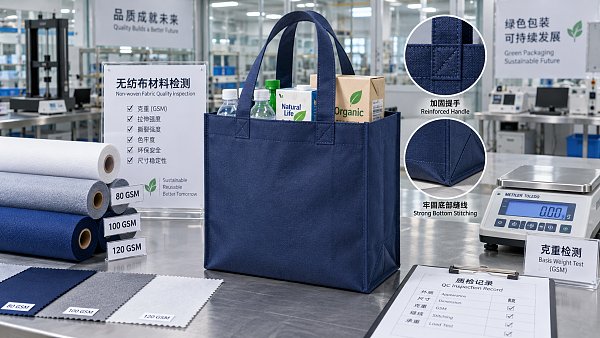
 Fabrics & YarnsWhat fabric weight works best for reusable non woven fabric bags?Non woven fabric for bags: discover the best GSM range for durability, load capacity, print quality, and cost-effective reusable bag sourcing.Textile Industry AnalystSep 30, 2026