Industry News
Curation by industry experts
Hot Articles
Popular Tags
Automatic Box Making Machine: Key Specs That Affect Output
Selecting an automatic box making machine is not just a matter of comparing speed ratings; real output depends on how core specifications perform under daily production conditions.
For technical evaluators, factors such as sheet size range, changeover time, feeding accuracy, cutting and creasing precision, servo control, material compatibility, and uptime stability directly influence throughput, waste rate, and ROI.
This guide examines the key specs that determine practical machine performance, helping procurement and engineering teams make more reliable comparisons across suppliers.
Why Rated Speed Alone Misleads Automatic Box Making Machine Buyers
A supplier may quote maximum sheets per minute under ideal conditions, but mixed orders rarely run at that level. Real factories handle size changes, board variation, operator checks, and downstream bottlenecks.
For packaging plants serving apparel, hardware, lighting, furniture, e-commerce, or display packaging, the automatic box making machine must convert frequent job changes into stable net output.
Output Should Be Measured as a System
- Gross speed indicates mechanical potential, but net output includes setup, trial sheets, stoppages, inspection, and rejected cartons.
- Average order length matters because short-run production magnifies the impact of changeover time and parameter recall accuracy.
- Downstream matching is critical; a fast box former brings limited value if gluing, stacking, or bundling cannot keep pace.
Technical evaluators should request production evidence for similar board grades, box sizes, and order patterns instead of accepting a single headline speed figure.
Key Machine Specifications That Directly Affect Practical Output
The following parameters shape the actual capacity of an automatic box making machine. They should be reviewed together, not as isolated catalog figures.
A strong evaluation links each specification to measurable operational consequences. If a supplier cannot explain how tolerances are maintained, the stated capacity may be optimistic.
Sheet Size Range and SKU Coverage
An automatic box making machine with a broad sheet range supports diverse packaging programs, from small hardware boxes to large furniture accessory cartons.
However, evaluators should check stability at the low and high ends. Some machines reach catalog limits only at reduced speed or with extra operator intervention.
Changeover Time and Recipe Reliability
In mixed-order packaging production, a five-minute difference per changeover can become a major capacity loss across dozens of jobs per shift.
Servo positioning, digital presets, quick-lock tooling, and repeatable glue settings help an automatic box making machine protect output beyond its rated speed.
How to Compare Suppliers When Specifications Look Similar
Two machines may show the same speed, format range, and power rating. The difference appears in control logic, mechanical rigidity, service readiness, and test transparency.
Before shortlisting an automatic box making machine, create a comparison matrix based on your own production mix rather than a generic brochure.
A structured matrix reduces subjective judgment. It also helps procurement teams defend decisions when finance, engineering, and production departments weigh different priorities.
Ask for Evidence Under Your Operating Conditions
- Define three representative box formats, including one small, one high-volume, and one difficult board grade.
- Request a timed changeover demonstration with waste counted, not hidden outside the trial.
- Record stoppage causes during testing, including feeder slips, die alignment checks, and glue adjustment delays.
- Compare net accepted boxes per hour rather than theoretical cycles per minute.
Application Scenarios: Which Machine Profile Fits Your Production Mix?
The right automatic box making machine depends on demand structure. A plant producing display packaging does not face the same risks as a hardware carton supplier.
Use application scenarios to translate technical parameters into purchasing priorities, especially when budget constraints prevent buying the most advanced configuration.
Scenario-based selection prevents overbuying. It also highlights when a mid-range automatic box making machine with stronger service support may outperform a faster but less stable option.
Cost, Uptime, and ROI: What Technical Teams Should Calculate
Initial purchase price is visible, but lifecycle cost is shaped by waste, maintenance, downtime, tooling, operator skill requirements, and energy consumption.
For an automatic box making machine, ROI should be calculated from accepted output, not installed capacity. This approach aligns engineering evaluation with financial reality.
Core Cost Drivers to Include
- Board waste during setup, especially when premium coated or recycled materials are used for branded packaging.
- Spare parts inventory, including blades, belts, suction components, sensors, glue system parts, and critical electrical items.
- Maintenance labor hours required for calibration, lubrication, tooling checks, and troubleshooting after production stoppages.
- Training time for new operators, because complex machines may lose performance when staff turnover is high.
A technically attractive machine may become expensive if spare parts are slow or documentation is unclear. Service structure should be valued as part of the machine specification.
A Practical ROI Formula
Estimate net accepted boxes per shift, subtract waste cost and expected downtime, then compare the result with labor savings, outsourcing reduction, and added order capacity.
This calculation is more reliable when based on a pilot run or factory acceptance test using the buyer’s materials and representative box structures.
Compliance and Documentation Checks Before Purchase Approval
Technical evaluators often focus on mechanical performance, but documentation and compliance affect commissioning, safety review, customs clearance, and long-term maintenance.
An automatic box making machine should be supported by clear manuals, wiring diagrams, safety instructions, spare part lists, and installation requirements.
Documents Worth Requesting Early
- Electrical schematics and control cabinet layout for maintenance planning and local technician review.
- Safety guard description, emergency stop layout, and lockout guidance aligned with common industrial safety practices.
- Installation foundation requirements, compressed air demand, power consumption, and environmental operating conditions.
- Material test guidance for paperboard, corrugated board, laminated board, or recycled substrate variations.
Where regional requirements apply, buyers may need CE-related documentation, electrical conformity records, or local safety assessments. Requirements should be confirmed before contract signing.
Common Evaluation Mistakes and FAQ for Automatic Box Making Machine Selection
Many purchasing delays come from unclear acceptance criteria. The following questions help technical evaluators convert uncertainty into measurable supplier requirements.
How should we define acceptable output during testing?
Use net accepted boxes per hour, not machine cycles. Include setup time, rejected sheets, jams, operator adjustments, and sample inspection in the test record.
For a fair comparison, every automatic box making machine supplier should run the same board, box structure, and changeover sequence under similar conditions.
Is a fully servo-driven machine always the better choice?
Not always. Servo control improves repeatability, recipe recall, and synchronization, but the best value depends on order mix and operator capability.
For short runs and frequent format changes, advanced servo control can be valuable. For stable long runs, mechanical robustness and maintenance simplicity may matter more.
What board samples should be provided before final quotation?
Provide the thickest, thinnest, most coated, and most recycled board grades expected in production. Include grain direction and surface requirements when presentation quality matters.
This helps the supplier recommend feeder settings, tooling, creasing pressure, and glue system configuration before the automatic box making machine is built or shipped.
Which mistakes most often reduce ROI after installation?
Common mistakes include underestimating training, ignoring spare parts planning, skipping material trials, and failing to align machine output with downstream packing capacity.
Another frequent issue is accepting vague service terms. Response time, remote diagnostics, and commissioning responsibilities should be documented before purchase approval.
Why Choose Global Supply Review for Technical Sourcing Support
Global Supply Review helps procurement and engineering teams evaluate suppliers across packaging, printing, textiles, hardware, lighting, and furniture-related supply chains.
For automatic box making machine projects, GSR can support parameter clarification, supplier comparison, application scenario matching, and sourcing intelligence for international procurement teams.
What You Can Discuss With GSR
- Confirm sheet size range, board thickness, speed expectations, and changeover needs for your packaging program.
- Compare machine configurations against budget limits, delivery schedules, certification expectations, and available operator skills.
- Prepare supplier questions for factory acceptance testing, sample support, spare parts planning, and commissioning responsibilities.
- Review quotation gaps, including unclear tooling scope, documentation packages, warranty terms, and after-sales response commitments.
If your team is shortlisting an automatic box making machine, contact GSR with your target box sizes, materials, order profile, required delivery window, and compliance concerns.
A more precise technical brief leads to better quotations, fewer commissioning surprises, and a machine choice that supports stable production rather than brochure-level capacity.
Recommended News
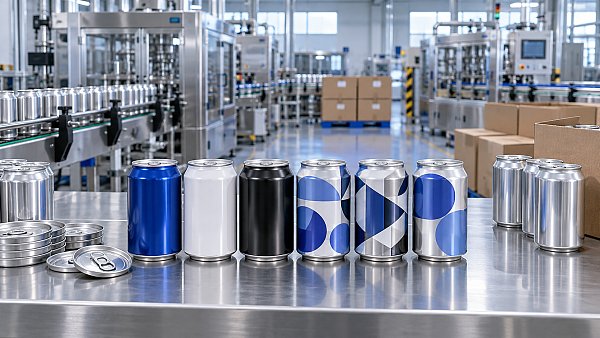
 Supply Chain InsightsHow to find a custom-printed ring-pull can supplier for small ordersFind a custom printed ring pull cans supplier for small orders. Compare MOQs, printing options, samples, and delivered costs to launch confidently without excess inventory.Oct 15, 2026
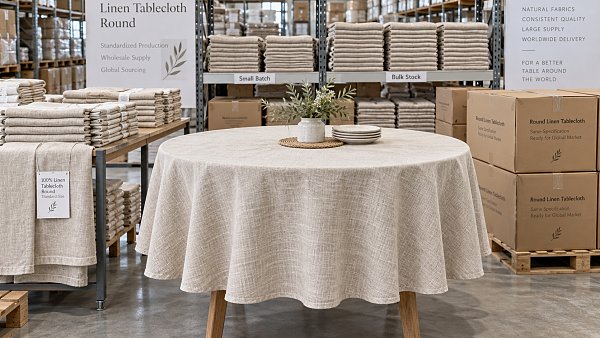
 Home DecorHow order size affects wholesale prices for round linen tableclothsBuying round linen tablecloths wholesale? Discover how order size, freight, and inventory costs affect pricing—and choose the right quantity to maximize real savings.Interior Sourcing LeadOct 14, 2026
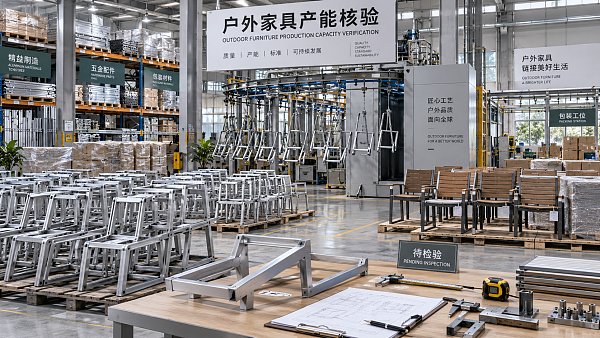
 Outdoor FurnitureHow to verify outdoor furniture manufacturers' production capacityCan outdoor furniture manufacturers deliver on time? Learn how to verify production capacity, uncover bottlenecks, and validate supplier commitments before placing your next order.Interior Sourcing LeadOct 13, 2026
 Commercial DisplaysWhat makes an outdoor digital signage display manufacturer reliable?Discover how to choose a reliable outdoor digital signage display manufacturer with proven weather protection, quality control, smart visibility, and responsive after-sales support.Commercial Tech EditorOct 12, 2026