Industry News
Curation by industry experts
Hot Articles
Popular Tags
India Launches Countervailing Duty Probe on Chinese Multi-layer Paperboard, Impacting Key Packaging Exports
India Launches Countervailing Duty Probe on Chinese Multi-layer Paperboard, Impacting Key Packaging Exports
Introduction
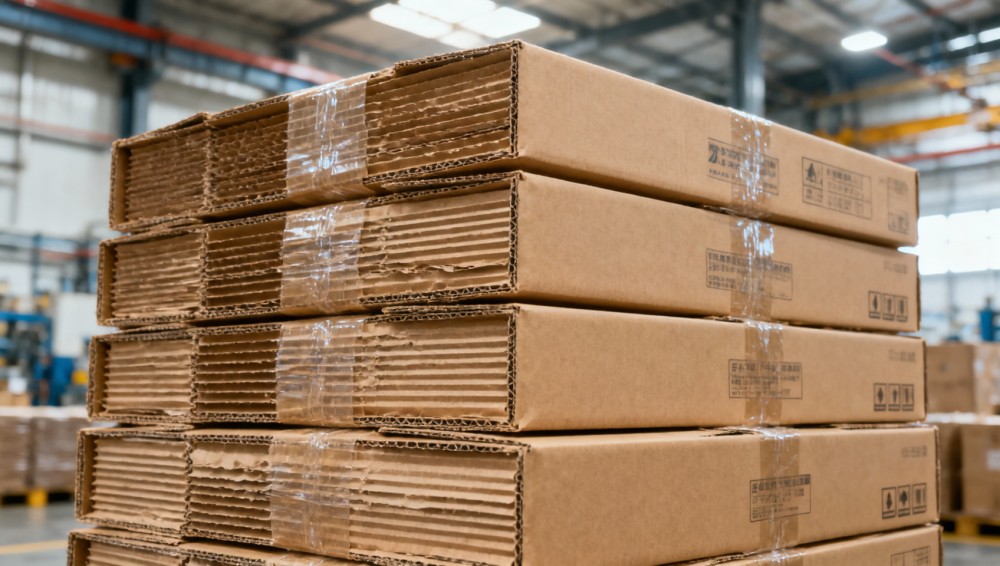
On March 24, 2026, India's Ministry of Commerce initiated a countervailing duty investigation on Chinese multi-layer paperboard (HS 4818.20/4819.20), targeting widely used packaging products like corrugated color boxes and folding cartons. This move directly affects Chinese manufacturers exporting low-to-mid range packaging solutions to India, particularly for food and electronics sectors. The investigation's retroactive scope to 2024 raises urgent concerns about supply chain stability and pricing competitiveness in cross-border trade.
Event Overview
The Indian government formally filed the anti-subsidy case against Chinese-origin multi-layer paperboard products on March 24, 2026. The investigation covers two HS codes (4818.20 and 4819.20) primarily used for manufacturing corrugated color boxes and folding cartons. These packaging materials are essential for India's food export and consumer electronics industries. The probe period extends back to 2024, with provisional duties likely to be imposed if subsidies are confirmed.
Impact on Key Industries
1. Direct Exporters of Packaging Materials
Chinese manufacturers specializing in economy-grade color boxes face immediate shipment uncertainties. The investigation targets products with thin profit margins where even minor duty impositions could erase competitiveness. Exporters with over 15% India market exposure may need urgent cost recalibration.
2. Indian Import-Dependent Manufacturers
Indian food processors and electronics assemblers using Chinese packaging as cost-saving solutions will encounter supply chain disruptions. The price volatility may force them to either absorb higher costs or seek alternative suppliers in Southeast Asia with less established quality control systems.
3. Logistics and Trade Compliance Providers
Forwarders handling China-India packaging material shipments must prepare for increased documentation scrutiny. The retroactive nature requires traceability of historical transactions, potentially delaying current shipments for verification processes.
Key Focus Areas and Recommended Actions
1. Monitor Procedural Milestones
Track India's Directorate General of Trade Remedies (DGTR) questionnaire deadlines and preliminary determination timeline. The first 60 days post-filing are critical for submitting counter-evidence.
2. Cost Scenario Modeling
Exporters should immediately run duty impact simulations:
- 5-10% duty: Maintain volume with price adjustments
- 10-15%: Partial market exit likely
- 15%+: Need for alternative market development
3. Supply Chain Diversification
Explore Vietnam or Malaysian paperboard suppliers for India-bound shipments, though quality matching remains challenging. Domestic Chinese converters could consider localizing final assembly in India's Special Economic Zones to circumvent material-level duties.
4. Client Communication Strategy
Proactively engage Indian buyers with:
- Transparent cost breakdowns showing non-subsidized production
- Joint petitions to Indian trade associations highlighting supply chain risks
- Staggered delivery schedules to mitigate potential duty shocks
Industry Perspective
From an industry standpoint, this investigation reflects India's growing assertiveness in protecting domestic paperboard producers like ITC and Ballarpur Industries. However, the immediate capacity gap suggests any duties may temporarily disrupt supply chains before local alternatives emerge. The retroactive application appears designed to pressure Chinese exporters into price undertakings rather than outright market exclusion.
More significantly, this could signal India's broader strategy to scrutinize intermediate goods imports where China dominates pricing. Packaging converters should view this as a wake-up call to diversify both materials sourcing and end-market exposure beyond single-country dependencies.
Conclusion
While the investigation's outcome remains uncertain, its immediate effect is injecting volatility into cross-border packaging supply chains. Chinese exporters should treat this as a strategic inflection point rather than a temporary compliance hurdle. The situation warrants parallel preparation for both vigorous legal defense through industry associations and structural adjustments to regional production footprints. For Indian manufacturers, this underscores the need to audit their packaging supply chains' vulnerability to trade remedies.
Source Information
- India Ministry of Commerce notification dated March 24, 2026
- HS code classification data from Indian Customs
- Industry impact analysis pending further DGTR disclosures
Recommended News
 Industrial FastenersWhen do zinc drop in anchors need corrosion-resistant coatings?Zinc drop in anchors need corrosion-resistant coatings in damp, outdoor, chloride-rich, or chemical environments. Learn how to select durable, approved protection.Tooling & Hardware LeadSep 29, 2026
 Carton & PlasticsHow to assess seam quality in 250ml aluminum beverage cansLearn how to assess seam quality in 250ml aluminum beverage cans with practical visual checks, precise measurements, teardown methods, and defect-control guidance.Packaging Supply ExpertSep 28, 2026
 Carton & PlasticsWhat drives breakage rates in bulk wine bottles wholesale orders?Bulk wine bottles wholesale buyers: discover what drives breakage rates, from glass quality and packaging to pallet loading, and reduce costly claims.Packaging Supply ExpertSep 27, 2026
 Office FurnitureHow supplier scorecards reduce risk in furniture procurementFurniture procurement supplier management becomes more resilient with supplier scorecards that track quality, delivery, compliance, and corrective actions. Learn how to reduce sourcing risk.Interior Sourcing LeadSep 26, 2026