Industry News
Curation by industry experts
Hot Articles
Popular Tags
Double Wall Paper Coffee Cups: How to Compare Heat Retention and Cost
Double Wall Paper Coffee Cups: How to Compare Heat Retention and Cost
For procurement teams evaluating double wall paper coffee cups, the real challenge is balance.
Heat retention matters, but so do unit cost, customer comfort, and supply reliability.
A cup that keeps drinks warm longer may still be a weak buying decision.
It may run too expensive, stack poorly, or create inconsistency in filling lines.
That is why comparing double wall paper coffee cups requires a broader sourcing lens.
This guide explains how to assess insulation structure, cost drivers, supplier quality, and total value.
The goal is simple: choose double wall paper coffee cups that perform well without inflating packaging spend.
Why heat retention is only one part of the decision
Many buyers start with temperature performance, and that makes sense.
Hot beverage packaging directly affects drink quality, handling safety, and customer perception.
Still, heat retention alone does not define a good cup program.
In actual purchasing decisions, several factors move together.
- Drink temperature stability during serving time
- Outer wall comfort without sleeves
- Board weight and structural strength
- Print quality and branding requirements
- Shipping efficiency and storage volume
- Supplier consistency across repeated orders
The stronger signal in recent buying cycles is total cost transparency.
Buyers increasingly compare double wall paper coffee cups by lifecycle cost, not quotation alone.
How double wall paper coffee cups retain heat
The basic advantage comes from the two-layer construction.
An inner paper cup holds the beverage, while an outer wrap creates an insulating air gap.
That gap slows heat transfer to the hand and to the surrounding air.
Compared with single wall cups, double wall paper coffee cups usually reduce the need for sleeves.
However, insulation performance changes significantly by structure.
Key design variables
- Inner and outer board grammage
- Air gap thickness between layers
- Cup sidewall geometry
- Seam design and adhesive application
- PE or water-based barrier coatings
- Lid fit, which affects heat escape from the top
This means two cups with similar appearance can perform very differently.
A thicker outer wall may improve handling comfort, but it does not always improve beverage temperature retention equally.
What to measure when comparing insulation performance
A useful comparison starts with a standard test setup.
Without aligned testing, supplier claims on double wall paper coffee cups are hard to trust.
Recommended test points
- Fill each cup with the same beverage volume at the same starting temperature.
- Record liquid temperature after 5, 10, 15, and 20 minutes.
- Measure outer wall temperature at the grip zone.
- Check deformation after filling and during lid placement.
- Evaluate leakage, rim softness, and seam stability.
The most practical benchmark is service-window performance.
For many coffee programs, the drink is consumed within 10 to 20 minutes.
A cup that performs well for that window is usually more relevant than one optimized for longer holding.
This keeps the evaluation tied to real use, not just lab-style comparison.
Understanding the real cost behind double wall paper coffee cups
Unit price is only the starting point.
The real cost of double wall paper coffee cups includes both direct and indirect factors.
Major cost drivers
- Paperboard grade and source region
- Coating technology and compliance requirements
- Print coverage, color count, and finishing
- Cup size mix across SKUs
- Carton packing density and pallet efficiency
- MOQ, lead time, and replenishment frequency
A lower quoted cup may create higher delivered cost.
This happens when cartons are bulky, reject rates rise, or sleeves still need to be purchased.
In practical sourcing, that is where a cheap offer stops being competitive.
Heat retention versus cost: a buying framework
The best approach is a weighted comparison model.
It turns performance claims into a decision structure that teams can defend internally.
This framework helps compare double wall paper coffee cups beyond headline pricing.
Supplier questions that reveal hidden risk
Supplier selection often decides whether a cup program runs smoothly.
When sourcing double wall paper coffee cups, ask questions that go beyond specifications.
- What are the actual board grades used in mass production?
- Can the supplier provide consistent cup wall measurements?
- How are leakage and seam defects monitored?
- What is the historical rejection rate by batch?
- Are compliance documents current for food contact markets?
- How quickly can repeat orders be scaled during peak demand?
More importantly, ask for production samples from routine runs, not only polished development samples.
That gives a better read on what daily supply will actually look like.
Where buyers often miscalculate double wall paper coffee cups
There are several common mistakes in cup sourcing decisions.
- Comparing samples without matching lids and fill temperatures.
- Ignoring freight impact from larger carton volume.
- Assuming thicker walls always mean better insulation.
- Overlooking print rub resistance in high-turn environments.
- Choosing low MOQ offers that weaken long-term cost leverage.
These issues seem minor at quotation stage.
Later, they show up as complaints, higher replenishment cost, or unstable supplier performance.
A practical sourcing checklist for final selection
Before final approval, use a short checklist that aligns technical and commercial review.
- Confirm target drink temperature and expected holding time.
- Test at least two or three double wall paper coffee cups side by side.
- Calculate landed cost, not only ex-works price.
- Review lid compatibility and sleeve elimination potential.
- Check production consistency, compliance, and replenishment capacity.
- Document scoring so future tenders use the same baseline.
That process creates a cleaner decision and reduces subjective debate.
It also helps standardize future sourcing across locations and beverage formats.
In a competitive packaging market, the right double wall paper coffee cups are rarely the cheapest option.
They are the option with the best combined score for insulation, handling, operational fit, and repeatable cost control.
Using that lens makes supplier comparison sharper, negotiations more grounded, and final selection easier to defend.
Recommended News
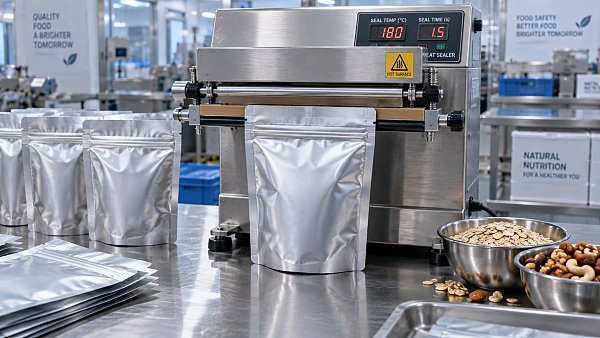
 Carton & PlasticsWhen should you heat seal aluminum foil zipper bags for food storage?When should you heat seal aluminum foil zipper bags? Learn when stronger closures matter, how to protect dry foods, and which sealing checks help ensure reliable storage.Packaging Supply ExpertOct 16, 2026
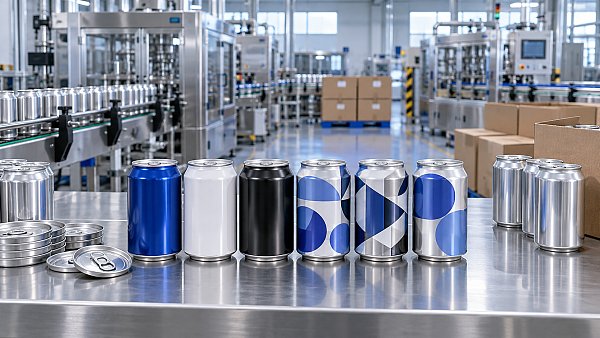
 Supply Chain InsightsHow to find a custom-printed ring-pull can supplier for small ordersFind a custom printed ring pull cans supplier for small orders. Compare MOQs, printing options, samples, and delivered costs to launch confidently without excess inventory.Oct 15, 2026
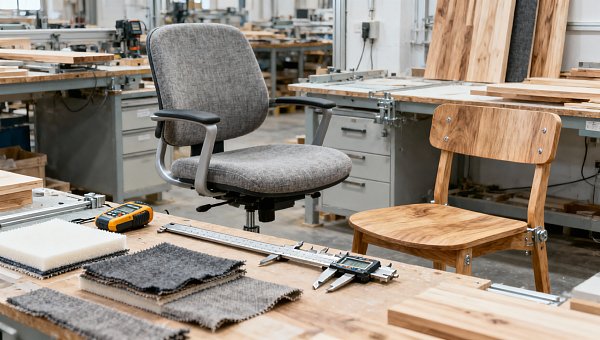
 Supply Chain InsightsWhat Should You Check When Auditing a Contract Furniture Supplier?What should be checked when auditing a contract furniture supplier? Discover essential checks for compliance, quality, traceability, and delivery to reduce sourcing risks.Oct 14, 2026
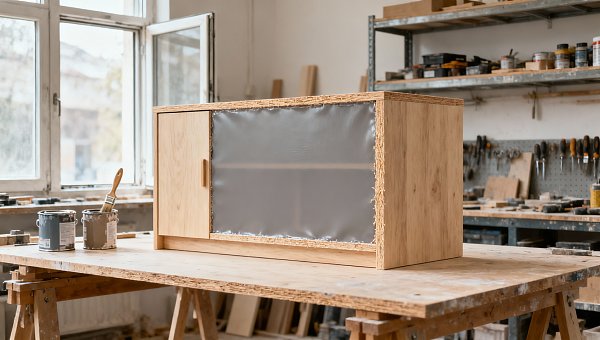
 Office FurnitureDoes sealing MDF furniture reduce the risk of toxic emissions?Concerned about MDF toxicity? Discover how sealing furniture can reduce formaldehyde emissions, where it falls short, and how to choose low-emitting options for your home.Interior Sourcing LeadOct 14, 2026