Industry News
Curation by industry experts
Hot Articles
Popular Tags
EU EN 13432:2026 Takes Effect: Mandatory Compostable Labeling for Plastic Composite Packaging, Chinese Exporters Must Update Testing and Design
Introduction
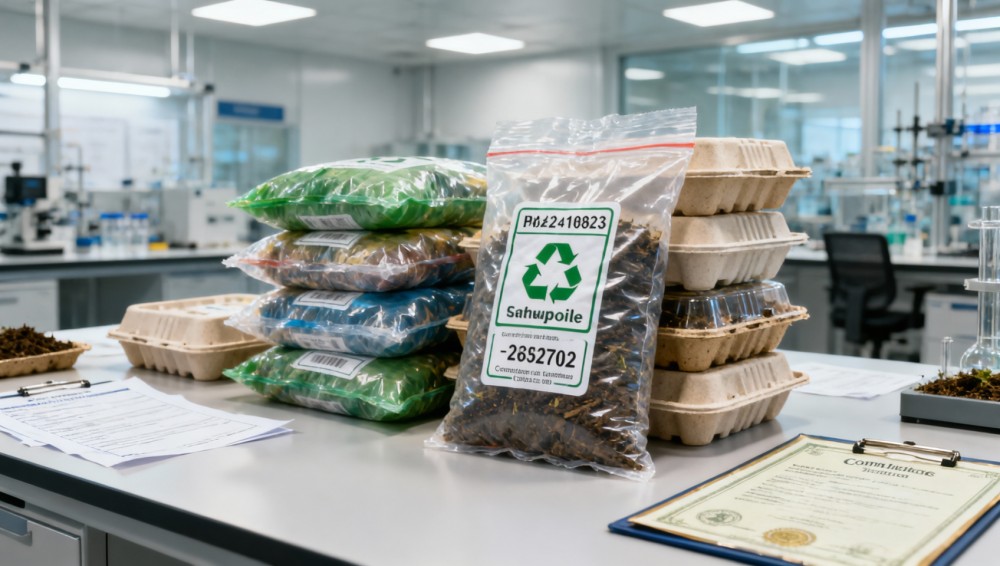
On March 22, 2026, the EU officially enacted the updated EN 13432:2026 standard, requiring all plastic composite packaging labeled as ‘industrially compostable’ (e.g., food trays with films, multi-layer barrier bags) to undergo revised biodegradability, heavy metal migration, and ecotoxicity testing. These products must now display a new label containing batch numbers and certification body codes. This regulation directly impacts over 28,000 Chinese exporters of food packaging and e-commerce logistics materials, demanding urgent updates to compliance documentation and label designs to maintain EU market access.
Event Overview
The EU’s EN 13432:2026 standard, published in the Official Journal of the European Union (OJEU) on March 22, 2026, introduces stricter requirements for compostable plastic packaging. Key changes include:
- Mandatory testing for biodegradation rates under industrial composting conditions.
- Enhanced limits for heavy metal migration and ecotoxicity thresholds.
- New labeling rules requiring visible batch numbers and accredited certification codes.
Impact on Key Industries
1. Food Packaging Exporters
Manufacturers of laminated food trays, pouches, or films must retest materials under the updated protocols. Analysis shows that multi-layer structures (e.g., PLA+PBAT blends) may require reformulation to meet revised biodegradation thresholds.
2. E-Commerce Logistics Providers
Exporters of compostable shipping bags or padded mailers must redesign labels to include traceability data. From an industry perspective, this adds logistical complexity for cross-border sellers using such packaging for EU-bound parcels.
3. Testing & Certification Services
EU-accredited labs and certification bodies will see increased demand for updated compliance reports. Current data suggests a 3–6-month backlog for retesting, urging exporters to prioritize scheduling.
Actionable Steps for Affected Businesses
1. Verify Material Compliance
Engage with testing agencies to assess whether existing formulations pass the 2026 criteria, particularly for disintegration rates (now requiring ≥90% fragmentation within 12 weeks).
2. Label Design Overhaul
Redesign packaging to incorporate:
- Certification body codes (e.g., ‘TÜV AUSTRIA OK compost INDUSTRIAL’).
- Machine-readable batch numbers for traceability.
3. Supply Chain Coordination
Notify raw material suppliers and printers to align with new requirements. Current industry feedback indicates lead times for compliant labels may extend by 8–10 weeks.
4. Monitor Transition Periods
While EN 13432:2026 is effective immediately, EU member states may allow sell-through periods for existing stock. Exporters should confirm deadlines with importers.
Editor’s Observation
This update signals the EU’s tightening stance on compostability claims, moving beyond biodegradability to emphasize supply chain transparency. Analysis suggests the batch-number rule aims to curb greenwashing by enabling post-market audits. The industry should view this as part of a broader trend—similar updates for home-compostable standards (e.g., EN 17427) are expected by 2027.
Conclusion
EN 13432:2026 represents a pivotal shift in EU sustainable packaging regulations, with immediate operational impacts for Chinese exporters. While compliance demands resource allocation, proactive adaptation may open opportunities to differentiate in a market increasingly prioritizing verifiable eco-credentials. Businesses should treat this as a baseline requirement rather than a competitive edge.
Sources
1. EU Official Journal (OJEU) – Publication of EN 13432:2026 (March 22, 2026). Note: National implementation guidelines are pending release; monitoring EU member state notifications is advised.
Recommended News
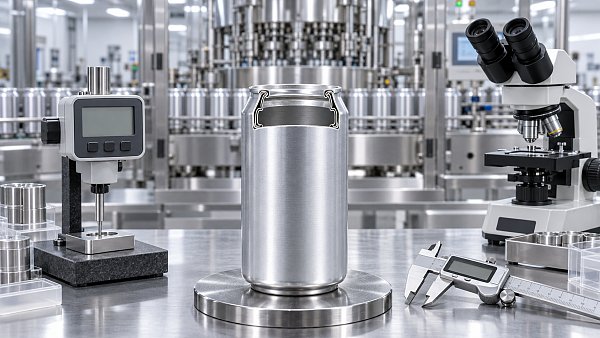
 Carton & PlasticsHow to assess seam quality in 250ml aluminum beverage cansLearn how to assess seam quality in 250ml aluminum beverage cans with practical visual checks, precise measurements, teardown methods, and defect-control guidance.Packaging Supply ExpertSep 28, 2026
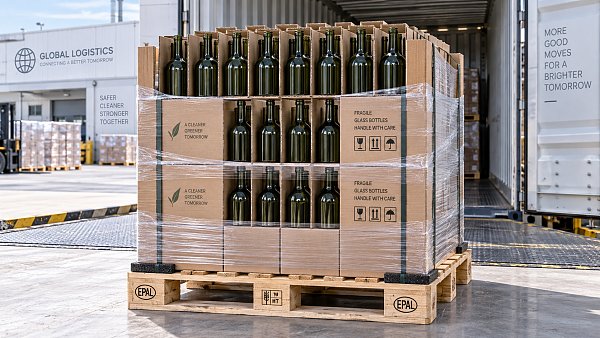
 Carton & PlasticsWhat drives breakage rates in bulk wine bottles wholesale orders?Bulk wine bottles wholesale buyers: discover what drives breakage rates, from glass quality and packaging to pallet loading, and reduce costly claims.Packaging Supply ExpertSep 27, 2026
 Office FurnitureHow supplier scorecards reduce risk in furniture procurementFurniture procurement supplier management becomes more resilient with supplier scorecards that track quality, delivery, compliance, and corrective actions. Learn how to reduce sourcing risk.Interior Sourcing LeadSep 26, 2026
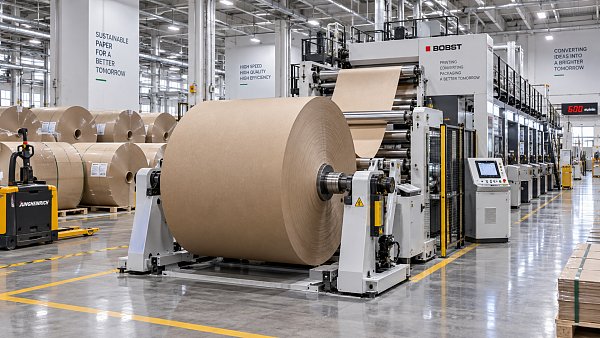
 Office Paper & Printing PaperHow roll diameter affects downtime when using jumbo paper rollsJumbo paper rolls can cut changeovers and downtime—if your unwinder, handling, and tension control can support them. Find the optimal roll diameter for smoother output.Packaging Supply ExpertSep 25, 2026