
Industry News
Curation by industry experts
Hot Articles
Popular Tags
ISM: US Textile Mills Report Growth in New Orders and Production in October
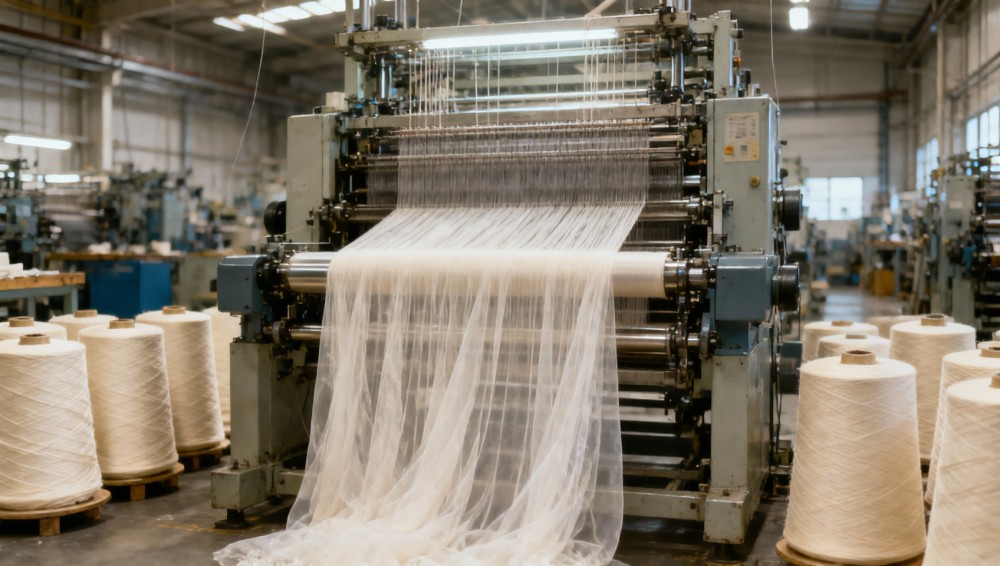
In October 2026, US textile mills reported growth in both new orders and production in the Institute for Supply Management (ISM) manufacturing PMI report. The result gives manufacturers, buyers and supply chain partners a reason to review their planning assumptions. The information provided describes a market indicator; it does not identify a policy, regulatory or trade rule change.
Textile mills grow as the manufacturing PMI rises
The ISM report puts the overall manufacturing PMI at 55.5% in October 2026, up one percentage point from September. Textile mills recorded growth in both new orders and production during October.
Where stronger activity may affect the supply chain
Manufacturers and their suppliers
From an industry perspective, simultaneous growth in orders and production may prompt textile mills and their suppliers to review capacity, material availability and production schedules. The report information does not establish how much either measure grew or whether individual businesses experienced the same pattern.
Buyers and delivery partners
Analysis suggests that buyers and supply chain service providers may want to check supplier availability and delivery schedules when planning purchases. The reported growth does not establish a change in lead times, contract terms or trade requirements; those details would need to be confirmed for each transaction.
Planning questions raised by the October reading
Check orders against available capacity
Manufacturers and buyers may find it useful to compare their own order pipeline with supplier capacity and production plans. The sector-level reading is a signal for discussion, not a substitute for confirmation of individual orders.
Review purchasing and delivery arrangements
Buyers may wish to verify material availability, delivery dates and any proposed changes with suppliers before adjusting procurement schedules. The information supplied does not confirm a shortage or a change in delivery conditions.
Confirm existing transaction requirements
Where purchases involve documentation, quality specifications or certification, parties can check the requirements applicable to their own transactions. The report summary does not identify any new compliance or certification requirement.
What the PMI signal can and cannot establish
At this stage, the report is more appropriately understood as a market activity signal than as evidence of a rule taking effect. The October results suggest a positive development in textile mill orders and production, but a single reported month does not establish how long the pattern will continue. Subsequent report findings and feedback from suppliers and buyers may help businesses assess whether to adjust their plans.
Using the reading in business decisions
The reported growth gives textile industry participants a reason to reassess orders, production capacity and delivery plans. A measured response is to verify conditions with business partners and monitor later information before treating the October result as a lasting trend or a change in regulatory obligations.
Basis for this report and further verification
This article is based on the user-provided news title, event date and summary. No specific official source link was provided in the input, so the report and its details should be independently verified. Further ISM publications and industry feedback may help clarify subsequent activity; any policy, trade or certification changes should be checked against the relevant official sources.
Recommended News
 Fabrics & YarnsISM: US Textile Mills Report Growth in New Orders and Production in OctoberUS textile mills reported growth in new orders and production in October 2026. Explore what the ISM reading could mean for fabric sourcing and supply planning.Textile Industry AnalystNov 07, 2026
 Home DecorHow to verify silk quality when buying pillowcases wholesaleBuying silk pillowcases wholesale? Learn how to verify fiber content, momme weight, samples and supplier claims before placing your order.Interior Sourcing LeadNov 07, 2026
 Home DecorDallas Market Center New Buyer Attendance Rises 24.4% in 2026; One in Five Are First-Time VisitorsDallas Market Center new buyer attendance rose 24.4% in 2026. Discover what the influx of first-time visitors could mean for sourcing and suppliers.Interior Sourcing LeadNov 06, 2026
 Supply Chain InsightsHow to verify a furniture factory in Indonesia before orderingVerify a furniture factory in Indonesia before ordering. Discover practical checks for registration, production capacity, timber sourcing, quality, and payment security.Nov 06, 2026


