Industry News
Curation by industry experts
Hot Articles
Popular Tags
Vietnam Hearing Set on Bridal Fabric Anti-Dumping Case
Vietnam’s Ministry of Industry and Trade has moved a trade case involving imported polyester woven fabrics used for wedding dresses, with the preliminary ruling hearing scheduled for June 20, 2026. For exporters, Southeast Asian distributors, sourcing teams, and supply chain operators, the issue is worth close attention because any preliminary finding could quickly affect landed costs, delivery planning, and market access for lower- to mid-priced bridal orders, particularly those tied to polyester satin light wedding dress styles that have been selling across cross-border channels in the 2026 spring season.

What has been officially announced so far
According to the information provided, Vietnam’s Ministry of Industry and Trade formally published a case initiation notice on June 6, 2026. The investigation targets polyester fiber woven fabrics for wedding dresses originating in China, India, and Bangladesh.
The preliminary ruling hearing is set for June 20, 2026. If the preliminary ruling supports the case, temporary duties may be imposed from July.
The scope of concern identified in the provided information centers on import costs, delivery stability, and compliance access in the Southeast Asian market. The products most directly highlighted are lower-priced export orders linked to polyester satin light wedding dresses, including cross-border best-selling styles from the 2026 spring season.
Where the pressure may appear across the supply chain
Export-facing fabric and dress suppliers
From an industry perspective, suppliers shipping relevant bridal fabrics or finished dress categories may face immediate uncertainty in quotation and order confirmation. The main pressure point is not only the possible tariff itself, but also whether customers delay decisions until the June 20 hearing outcome becomes clearer.
Southeast Asian distributors and import channels
Analysis shows that distributors in Southeast Asia may be among the first to feel the commercial effect if temporary duties are introduced from July. Their core concerns are likely to be revised procurement costs, margin pressure on existing orders, and whether alternative sourcing or product mix adjustments become necessary within a short window.
Procurement and sourcing teams
For sourcing teams handling wedding dress materials or finished light bridalwear, the impact may show up in procurement timing and supplier selection. What deserves closer attention is whether the goods involved fall within the investigated category and whether current purchasing schedules assume stable import conditions beyond June.
Supply chain and compliance service providers
Logistics, documentation, and trade compliance teams may also need to track the case closely. Observably, once a trade investigation reaches the hearing stage, the practical challenge for service providers is often less about headline interpretation and more about matching product descriptions, origin information, and clearance documentation to evolving regulatory requirements.
What businesses should watch before July
Follow the wording that comes after the hearing
Analysis shows that the June 20 hearing is a procedural milestone, but the business impact depends on how the preliminary ruling is framed afterward. Companies should focus on the official scope of covered products, applicable origin definitions, and whether temporary duties are confirmed for implementation from July.
Review exposure in price-sensitive bridal categories
Lower- to mid-priced orders appear especially exposed in the information provided, particularly where polyester satin light wedding dress styles are involved. Businesses should check which current or pending orders rely on the investigated fabric category and whether price commitments leave room for cost changes.
Separate policy signals from operational execution
What deserves closer attention is the difference between a case announcement, a hearing, and actual operational enforcement. Even when policy risk becomes visible, companies still need to examine how it translates into customs treatment, order acceptance, shipment timing, and customer communication in practice.
Prepare documents and communication paths early
For firms already serving the Southeast Asian market, a practical near-term priority is to organize supplier qualifications, product documentation, order files, and delivery schedules. At the same time, sales and account teams may need to prepare clear explanations for customers regarding timing risk, possible cost adjustments, and contract execution implications if temporary duties are introduced.
Why this is a signal, not yet a final outcome
Observably, this development should not yet be treated as a finalized trade result. It is more appropriate to understand this as an active regulatory signal with a defined near-term decision point: the June 20 preliminary hearing and the potential July implementation of temporary duties if the preliminary finding is affirmative.
From an industry perspective, the importance of the case lies in its timing and product focus. The affected category sits close to price-sensitive cross-border bridal demand, so even a temporary measure could alter sourcing decisions faster than in segments with wider pricing buffers.
At the same time, analysis shows that the market still needs to wait for the preliminary outcome before drawing firm conclusions on the actual scale of disruption. For now, this remains a developing trade policy event rather than a completed market shift.
How the market may best read this stage
The current stage is best read as a short-term operational risk with possible wider implications if temporary duties are confirmed. It matters because it touches cost structure, delivery predictability, and compliance entry paths at the same time, especially for orders built around polyester-based bridal fabric supply.
A neutral reading is that the case has already become relevant for commercial planning, but it has not yet established a final market outcome. Businesses with exposure to the covered product area are better served by close monitoring and scenario preparation than by assuming either immediate disruption or no impact at all.
Basis of this article and points for continued verification
This article is based on the user-provided news title, event date, and event summary. The confirmed elements used here include the June 6, 2026 case initiation notice, the June 20, 2026 preliminary hearing date, the countries named in the investigation, the possible July timing for temporary duties if a preliminary finding is made, and the stated areas of impact on procurement cost, delivery stability, and compliance access.
For this type of industry update, commonly relevant source categories may include official government notices, company disclosures, industry association updates, authoritative media reporting, and trade or standards-related documents. The specific official source link was not provided in the input, so continued verification remains necessary.
What should be followed next is the official wording released after the hearing, any clarification of product coverage, and whether temporary measures are formally implemented from July.
Recommended News
 Eco PackagingHigher Fees Urged for Hard-to-Recycle Plastics Under California’s EPR PlanCalifornia’s EPR plan faces calls for higher fees on hard-to-recycle plastics. Explore potential packaging cost impacts and how to prepare while adoption remains unconfirmed.Packaging Supply ExpertOct 20, 2026
 Commercial LEDHow much should you pay per T8 LED tube when buying in bulk?Compare T8 LED tube price quotes for bulk orders and uncover hidden installation, freight, and warranty costs. Learn how to choose compliant tubes at the best total value.Commercial Tech EditorOct 20, 2026
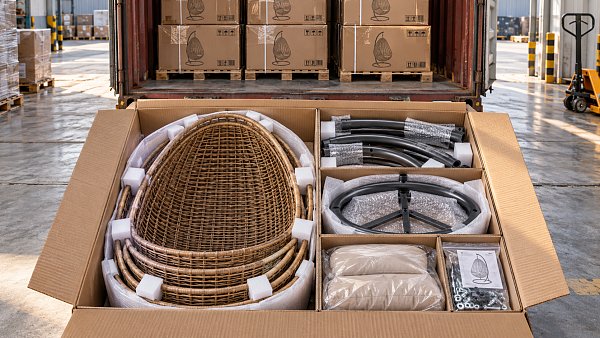
 Outdoor FurnitureHow packaging affects freight costs for wholesale wicker egg chairsExplore wicker egg chair wholesale packaging strategies to cut freight costs, improve container loading, and protect profits. Compare packing options for lower landed costs.Interior Sourcing LeadOct 19, 2026
 Supply Chain InsightsHow to use supply chain resilience metrics to assess recovery riskUse supply chain resilience metrics to compare recovery time, survival buffers, and financial exposure. Learn how to assess disruption risk and prioritize mitigation that protects service.Oct 18, 2026