Industry News
Curation by industry experts
Hot Articles
Popular Tags
Wholesale Mattress Protector: Cost Drivers, MOQ, and Quality Benchmarks
For finance approval, a wholesale mattress protector program should be reviewed as a risk-control project, not only a textile purchase. Unit price alone rarely reflects total value.
Material choice, construction method, packaging format, and claim accuracy all affect landed cost. In the wholesale mattress protector category, weak quality control can quickly create returns, claims, and margin erosion.
This guide explains how different buying scenarios change cost expectations, MOQ structure, and quality benchmarks. It also shows how to compare offers with greater precision before budget is released.
Why buying context changes the right wholesale mattress protector decision
A wholesale mattress protector for hospitality use is judged differently from one sold through retail channels. Performance priorities, failure risks, and acceptable price bands are not the same.
Programs built for e-commerce often prioritize compact packaging, broad mattress fit, and low damage rates. Institutional programs usually focus on repeat wash durability, waterproof reliability, and compliance evidence.
Without this context, buyers may compare quotations that appear similar but contain different fabrics, back coatings, skirt depth, GSM, or testing scope. That creates misleading cost comparisons.
Scenario 1: Retail and e-commerce programs need balanced cost and marketability
Retail-focused wholesale mattress protector programs usually need a careful balance between shelf price, consumer comfort, and claim language. Soft hand feel and quiet sleep surface matter more here.
In this scenario, laminated terry, jersey knit, or brushed microfiber are common tops. The cost shifts with fabric weight, membrane type, fitted skirt elasticity, and branding complexity.
Core judgment points
- Is the product positioned as value, mid-market, or premium?
- Will the wholesale mattress protector be compressed for parcel shipping?
- Are waterproof, cooling, or hypoallergenic claims supported by test reports?
- Does the size run include Twin to California King, or only core sizes?
Scenario 2: Hospitality and rental use demand durability over headline features
Hotels, serviced apartments, and rental networks often value replacement cycles more than decorative packaging. A wholesale mattress protector in this setting must survive repeated laundering and fast turnover.
The key cost driver becomes functional stability. Seams, TPU lamination bond strength, and skirt recovery are more important than premium branding elements.
Core judgment points
- How many wash cycles are required before leakage or delamination appears?
- Will high-temperature washing be used?
- Is stain resistance or bed bug barrier performance part of the specification?
- Do mattress depths vary widely across locations?
Scenario 3: Institutional and healthcare settings require documented compliance
Healthcare, dormitory, and care-related programs usually require stronger documentation. Here, a wholesale mattress protector may need stricter fluid barrier performance and clearer chemical compliance support.
This scenario often increases cost because testing, traceability, and specialized construction raise factory workload. However, these additions can reduce legal and reputational risk later.
Core judgment points
- Are flame, phthalate, formaldehyde, or restricted substance documents needed?
- Is zipper-enclosed construction required instead of fitted-sheet style?
- Must the wholesale mattress protector meet anti-microbial or allergen-control expectations?
- Are audit trails and batch consistency part of supplier approval?
Cost drivers that most influence wholesale mattress protector pricing
A reliable quotation should break pricing into visible components. Hidden assumptions often explain why one wholesale mattress protector quote is much lower than another.
- Top fabric: Terry, jersey, bamboo-viscose blends, and microfiber differ in raw material cost and feel.
- Barrier layer: TPU usually costs more than basic alternatives but improves waterproof softness and noise control.
- GSM and thickness: Heavier materials may improve hand feel but also raise fabric and freight costs.
- Construction: Fitted style is simpler; zippered encasement uses more labor and trims.
- Mattress depth range: Deep-pocket skirts need more fabric and stronger elastic performance.
- Testing and compliance: Verified claims increase pre-shipment cost but lower post-sale risk.
- Packaging: Printed inserts, color boxes, and vacuum compression affect unit economics.
- Order mix: Broad size assortment can weaken efficiency compared with single-size bulk runs.
MOQ expectations vary by construction, packaging, and customization level
MOQ for a wholesale mattress protector is rarely one simple number. It changes by fabric source, lamination setup, private label requirements, and carton assortment.
Stock fabric programs may allow lower entry volume. Custom shades, branded cartons, or special membrane specs usually push MOQ higher because mills and packaging lines need efficient runs.
When evaluating MOQ, the practical question is not the lowest possible quantity. It is whether the quantity supports stable quality, efficient replenishment, and realistic inventory exposure.
Quality benchmarks that separate low price from real value
A wholesale mattress protector should be tested against benchmarks tied to end use. Generic claims like “premium waterproof” are not decision-grade without measurable criteria.
Essential benchmark areas
- Waterproof integrity: No leakage at pressure points and seam areas.
- Wash durability: Barrier and fabric remain intact after defined laundering cycles.
- Hand feel and noise: Surface should not feel plastic-like in sleep use.
- Dimensional stability: Shrinkage and fit should stay within accepted tolerance.
- Elastic retention: Skirt recovery should hold mattress corners after repeated use.
- Colorfastness and odor: Especially important for retail reviews and first-use acceptance.
- Chemical compliance: Documentation should match destination market requirements.
- Seam strength: Prevents split corners and leakage after installation stress.
How scenario differences affect specification priorities
Practical fit-for-purpose advice before approving a wholesale mattress protector program
- Request the full bill-of-material summary, not only a finished unit quote.
- Ask for test reports tied to the exact wholesale mattress protector construction offered.
- Confirm size tolerances, skirt depth, and wash instructions in writing.
- Review carton quantity and packaging dimensions to estimate freight accurately.
- Check whether MOQ applies per color, per size, or per total order.
- Compare replacement cost risk, not just first-order purchase price.
- Use sealed approval samples before mass production begins.
Common mistakes that distort value assessment
One frequent mistake is assuming all waterproof products use the same barrier quality. In reality, membrane softness, thickness, and adhesion quality vary significantly.
Another mistake is treating MOQ as a supplier obstacle rather than a production economics signal. Extremely low MOQ may indicate limited customization, unstable pricing, or inconsistent raw material batches.
A third error is approving a wholesale mattress protector using only initial samples. Bulk production must be checked against the approved sample, especially for lamination, sewing, and packaging consistency.
Next-step checklist for a stronger sourcing decision
A sound wholesale mattress protector evaluation should connect commercial terms with end-use evidence. That means matching scenario, specification, MOQ, and benchmark data before comparing suppliers.
Start with a defined use case, then standardize the quote sheet. Include material composition, construction style, testing scope, packaging method, and lead-time assumptions.
With that framework, wholesale mattress protector offers become easier to rank by real value, not just by the lowest unit price. Better cost transparency usually leads to fewer surprises after launch.
Recommended News
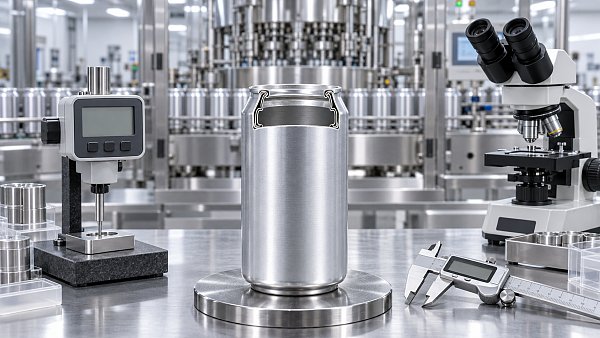
 Carton & PlasticsHow to assess seam quality in 250ml aluminum beverage cansLearn how to assess seam quality in 250ml aluminum beverage cans with practical visual checks, precise measurements, teardown methods, and defect-control guidance.Packaging Supply ExpertSep 28, 2026
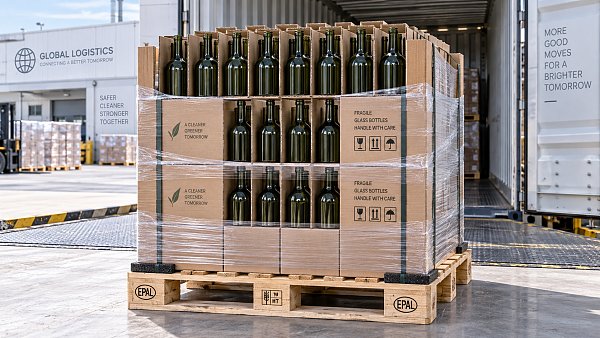
 Carton & PlasticsWhat drives breakage rates in bulk wine bottles wholesale orders?Bulk wine bottles wholesale buyers: discover what drives breakage rates, from glass quality and packaging to pallet loading, and reduce costly claims.Packaging Supply ExpertSep 27, 2026
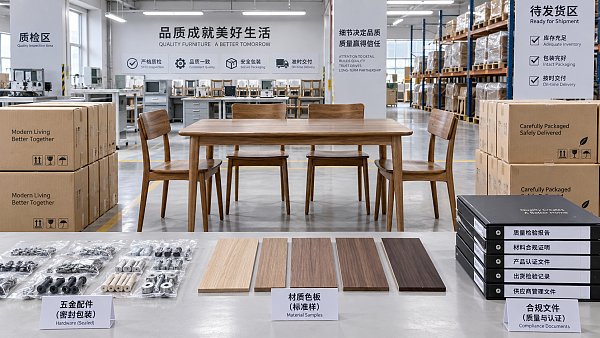
 Office FurnitureHow supplier scorecards reduce risk in furniture procurementFurniture procurement supplier management becomes more resilient with supplier scorecards that track quality, delivery, compliance, and corrective actions. Learn how to reduce sourcing risk.Interior Sourcing LeadSep 26, 2026
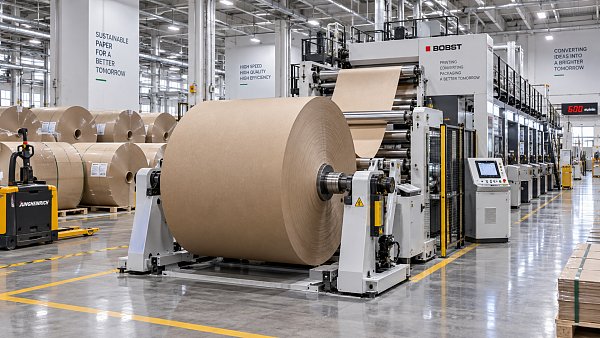
 Office Paper & Printing PaperHow roll diameter affects downtime when using jumbo paper rollsJumbo paper rolls can cut changeovers and downtime—if your unwinder, handling, and tension control can support them. Find the optimal roll diameter for smoother output.Packaging Supply ExpertSep 25, 2026