Industry News
Curation by industry experts
Hot Articles
Popular Tags
Shanghai Bridal Fair Closes With RMB 210M Textile Machinery Deals
From June 7 to June 9, 2026, the 42nd Shanghai International Bridal Fair closed with RMB 210 million in signed deals in its Textile Machinery section, where overseas buyers from Germany, Türkiye, and Bangladesh placed orders for bridal-focused equipment including digital direct-to-fabric printers, intelligent cutting systems, AI pattern-generation systems, and domestic smart sewing units. From an industry perspective, this is not just a sales result; it is a practical signal that procurement, delivery, technical documentation, and cross-border compliance expectations around specialized textile machinery are becoming more central for equipment suppliers, buyers, and related service providers.

What was confirmed at the exhibition
The event took place from June 7 to June 9, 2026 as part of the 42nd Shanghai International Bridal Fair. Within the exhibition, the Textile Machinery section focused on bridal-related textile equipment, including digital direct-to-fabric printing machines, intelligent cutting beds, and AI pattern-generation systems.
According to the information provided, 32 overseas buyers from Germany, Türkiye, and Bangladesh signed orders on site. The orders covered high-speed multicolor digital printing equipment and domestic intelligent sewing units, with a total contract value of RMB 210 million.
Why this matters for trade and execution
Export equipment suppliers face closer documentation demands
Analysis shows that when overseas buyers sign on site for equipment categories such as digital printing, cutting, and smart sewing systems, the next pressure point often shifts from sales conversion to execution readiness. For machinery exporters and manufacturers, what deserves closer attention is whether technical files, product specifications, operating instructions, and delivery documents can support cross-border procurement and acceptance requirements in the buyer's market.
Buyers and sourcing teams need clearer specification alignment
For procurement teams, the significance lies in specification matching rather than headline deal value alone. Equipment involving printing performance, automated cutting, and AI-supported pattern generation usually requires closer review of model configuration, technical scope, acceptance criteria, and after-sales commitments. Observably, the more specialized the bridal application, the higher the need for consistency between quoted capability and deliverable configuration.
Supply-chain and delivery service providers may see tighter coordination needs
For supply-chain service providers and delivery coordinators, the likely impact is on shipment scheduling, installation preparation, spare-parts planning, and handover records. This does not confirm any new formal rule by itself, but it does indicate that larger cross-border machinery orders can increase attention on document completeness, delivery milestones, and quality traceability across the execution chain.
After-sales and quality support become part of trade credibility
For after-sales teams and quality-related service providers, the transaction mix in this event suggests that post-signing obligations may carry more weight. Analysis shows that equipment buyers are likely to focus not only on machine performance, but also on response arrangements, parts support, and traceable service records once equipment moves into installation and use.
What companies should watch next
Check compliance materials before shipment commitments
Companies involved in these equipment categories should closely review whether their compliance files, technical descriptions, inspection records, and product documentation are complete before locking in shipment and acceptance schedules. The input does not provide specific certification or regulatory requirements, so this should be understood as a practical compliance checkpoint rather than a confirmed new mandate.
Track how procurement language evolves after signing
What deserves closer attention is whether follow-up purchase contracts, technical annexes, and tender-style documentation begin to use more detailed wording around equipment capability, software functions, or performance verification. For suppliers, this can affect quotation scope, responsibility boundaries, and delivery acceptance.
Prepare for tighter coordination on delivery and service terms
For manufacturers and exporters, it is prudent to review lead-time commitments, installation support readiness, and service-response arrangements early. Because the confirmed information only establishes the signing outcome, not the later execution path, companies should treat delivery planning and service obligations as areas requiring continued confirmation rather than assumed closure.
Watch market-specific trade and acceptance expectations
With buyers coming from Germany, Türkiye, and Bangladesh, suppliers should pay attention to whether different destination markets require different document sets, technical declarations, or acceptance procedures in actual order execution. The current information does not define those requirements, but it clearly points to the need for market-by-market review rather than uniform handling.
How this signal should be read
Observably, this development is better understood as an execution signal than as proof of a single new formal rule. The concentration of orders around digital printing, intelligent cutting, AI pattern generation, and smart sewing indicates that machinery transactions in the bridal textile segment are increasingly tied to downstream requirements in procurement clarity, document control, delivery assurance, and post-sale support.
Analysis shows that the industry should continue watching whether this type of exhibition-driven signing activity is followed by more explicit procurement specifications, more standardized technical appendices, or stricter buyer-side acceptance language. At this stage, the confirmed facts support careful observation, but not broad conclusions about finalized regulatory change.
A practical reading of the event
In practical terms, the RMB 210 million signing result matters because it highlights where commercial momentum and operational discipline meet. For equipment suppliers, exporters, sourcing teams, and service partners, the more relevant question is not only how many deals were signed, but how those deals translate into compliant documentation, coordinated delivery, and supportable installation and service execution.
It is more appropriate to understand this event as a market-backed indication that specialized textile machinery transactions are placing greater weight on trade execution and compliance readiness. The broader industry significance will depend on how these orders move through contracting, shipment, acceptance, and after-sales follow-through.
Basis of this report and what still needs verification
This article is generated based on the user-provided news title, event date, and event summary. For events of this type, commonly relevant source categories may include official exhibition announcements, regulator releases, customs or trade authority information, industry association updates, standards documents, and reporting by authoritative trade media.
No specific official source link was provided in the input, so later verification is still necessary. What remains worth tracking includes any later procurement wording, certification interpretation, technical acceptance criteria, tender-document changes, industry feedback, and actual execution progress by participating companies.
Recommended News
 Home DecorCIFF Guangzhou Sets March 2027 Dates, Focusing on Quality, Innovation and Industry ValueCIFF Guangzhou 2027 runs March 18–21 and 28–31, spotlighting furniture quality and innovation. Explore key sourcing insights to plan visits, compare suppliers and prepare smarter purchasing decisions.Interior Sourcing LeadOct 27, 2026
 Supply Chain InsightsHow to verify a metal furniture factory's production capacityVerify a metal furniture factory's production capacity with proven output records, bottleneck checks, and realistic schedules. Learn how to reduce sourcing risks and protect delivery deadlines.Oct 27, 2026
 Hand & Power ToolsDo you need a long handle rivet gun for stainless steel rivets?Need a long handle rivet gun for stainless steel rivets? Discover when extra leverage helps, which tool ratings matter, and how to choose the right riveter for your job.Tooling & Hardware LeadOct 26, 2026
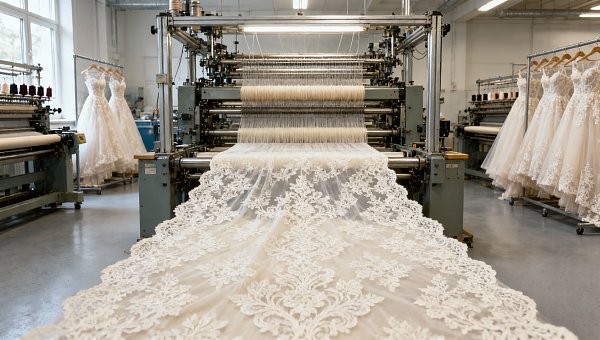
 Textile MachineryItalian Textile Machinery Orders Rise 7% in Q3 2026 as Overseas Demand LeadsItalian textile machinery orders rose 7% in Q3 2026 as overseas demand climbed 8% and domestic orders fell 4%. Explore ACIMIT's figures and what they mean for manufacturers.Textile Industry AnalystOct 25, 2026