Industry News
Curation by industry experts
Hot Articles
Popular Tags
Electric Circular Saw Safety Habits That Reduce Kickback Risk
For quality control and safety managers, reducing kickback starts with disciplined daily habits around every electric circular saw in operation. From blade condition checks to operator positioning and material support, small procedural gaps can lead to serious incidents. This guide outlines practical safety habits that strengthen compliance, lower risk exposure, and improve workshop consistency without slowing productivity.
Why kickback control must be managed differently across operating scenarios
An electric circular saw may look like a standard cutting tool across facilities, but the kickback risk profile changes sharply depending on where and how it is used. A fixed production line cutting consistent panels does not face the same exposure as a maintenance team making field cuts on mixed materials. Likewise, a training workshop with rotating operators requires different controls than a contract packaging shop where temporary workers handle repetitive trimming tasks.
For safety managers, this means one generic safe-work rule is rarely enough. For quality control teams, it also means that cut accuracy, edge integrity, and operator safety are tightly connected. When the electric circular saw is poorly maintained, fitted with the wrong blade, or used with weak material support, kickback risk increases at the same time that cut quality declines. The most effective programs therefore treat safety habits as process controls, not just personal reminders.
In practical terms, the question is not simply whether your site uses an electric circular saw. The better question is: in which operating scenarios does your organization use it, what variables change in those settings, and which habits must become non-negotiable at each point of use?
Typical business scenarios where electric circular saw kickback risk appears
Kickback most often emerges where cutting conditions are inconsistent, setup discipline is weak, or productivity pressure encourages shortcuts. In cross-industry environments, several scenarios appear repeatedly.
1. Repetitive workshop cutting of sheet goods or boards
This includes furniture parts, packaging panels, decorative boards, and light manufacturing components. Operators may become comfortable with routine cuts and gradually skip pre-use checks. In this scenario, kickback often stems from worn blades, fence misalignment, binding at the kerf, or poor housekeeping that prevents stable footing.
2. Short-run custom work and mixed-material processing
Custom fabrication introduces frequent blade changes, unfamiliar workpieces, and variable thickness. Here, the electric circular saw is exposed to higher decision error: the wrong blade for the material, uncertain feed pressure, or unsupported offcuts that pinch the blade near the end of the cut.
3. On-site repair, installation, and maintenance tasks
Field environments create elevated risk because the cutting surface, lighting, material support, and body position are harder to standardize. A portable electric circular saw used on uneven flooring or temporary benches can kick back quickly if the operator twists the saw or cuts through material that shifts unexpectedly.
4. Training environments with new or rotating staff
The hazard in this scenario is not only technical. It is behavioral. New users may stand directly behind the saw, overreach, start a cut with the blade touching the workpiece, or lift the saw before the blade fully stops. A site with frequent personnel rotation needs habits that are visible, repeatable, and easy to audit.
Scenario comparison: what changes from one operating environment to another
The table below helps safety and quality leaders match controls to actual operating conditions rather than relying on a one-size-fits-all checklist.
Core safety habits that reduce electric circular saw kickback risk in every setting
Although controls vary by scenario, certain habits should be universal wherever an electric circular saw is used. These habits are especially valuable because they support both injury prevention and cut consistency.
Inspect blade condition before the first cut, not after a bad cut
A dull, damaged, dirty, or incorrect blade increases friction and makes binding more likely. QC personnel should treat blade condition as a process variable. Missing teeth, resin buildup, heat discoloration, and wobble are not only maintenance issues; they are leading indicators of kickback exposure and dimensional quality problems.
Confirm the lower guard moves freely every time
An electric circular saw with a sticky or obstructed guard should be removed from service immediately. Operators sometimes normalize partial guard hesitation, especially in dusty environments. Safety managers should make guard function a visible pre-use checkpoint and require reporting without blame.
Set blade depth correctly for the material
Excessive blade exposure can increase hazard severity and reduce stability. As a practical rule, the blade should project only slightly below the workpiece. This simple setup habit reduces unnecessary tooth exposure and helps the electric circular saw track more predictably through the cut.
Support the material so the kerf stays open
A common kickback trigger is pinching caused by sagging material or badly placed supports. Long panels, narrow boards, and heavy sheet stock need support on both the stable section and the offcut side where appropriate. The exact support method depends on the scenario, but the principle remains the same: never allow the workpiece to close on the blade.
Use body positioning that avoids the kickback line
Operators should stand slightly to one side, not directly behind the electric circular saw. This habit is often overlooked in real production because workers focus on line of sight rather than rebound path. A side stance, balanced footing, and two-handed control materially reduce injury severity if binding occurs.
Start, feed, and finish the cut with control
The blade should reach full speed before contacting the workpiece unless a specific approved plunge procedure applies. Forcing the electric circular saw through resistance, twisting mid-cut, or backing out while the blade is engaged are behaviors strongly associated with kickback events. Controlled feed pressure and a clear end-of-cut plan are essential habits.
How requirements differ for quality control teams and safety managers
Both functions care about safe cutting, but their priorities are not identical. Safety managers usually focus on hazard elimination, training compliance, PPE, and incident prevention. Quality control teams look for repeatability, cut quality, dimensional accuracy, and evidence that process drift is being detected early. The strongest facilities connect these priorities instead of treating them separately.
For example, if an electric circular saw begins leaving burn marks or rough edges, that is a quality issue, but it may also signal blade dullness or feed problems that elevate kickback risk. If offcuts are splintering, support conditions may be poor. If operators report steering difficulty, alignment or blade selection may be wrong. A mature program uses these quality symptoms as safety warning signs.
Useful shared audit points
- Was the electric circular saw inspected before use and documented where required?
- Was the blade appropriate for the material, thickness, and cut type?
- Was the workpiece supported to prevent closing or shifting?
- Did the operator maintain correct stance, hand position, and feed control?
- Were abnormal sounds, burning, chatter, or binding escalated immediately?
Scenario-based adaptation: what to strengthen in specific environments
For high-volume production areas
Prioritize visual standards, scheduled blade replacement, and quick pre-start checks that can be completed without delaying throughput. In these settings, the risk is complacency. The electric circular saw may be used so frequently that warning signs become normalized. Layered controls such as point-of-use check cards and supervisor observation rounds work well here.
For custom fabrication and prototype work
Strengthen planning before cutting. Operators should identify material type, confirm blade selection, map cut direction, and decide how offcuts will be supported. In custom jobs, the electric circular saw is more likely to encounter unfamiliar geometry, laminated surfaces, or embedded fasteners, so decision quality matters more than speed.
For maintenance and mobile teams
Require a mini site-risk assessment before each task. Ask whether the work surface is stable, whether the operator has enough clearance, whether dust obscures the cut line, and whether power supply and cord routing introduce distraction. In field conditions, the safest electric circular saw habits begin before the saw is energized.
Common misjudgments that quietly increase kickback exposure
Many incidents come from assumptions rather than obvious recklessness. One common error is thinking that experienced operators need less structure. In reality, repetitive experience can hide drift in stance, support setup, or blade replacement timing. Another mistake is focusing only on PPE while underinvesting in equipment condition and material control. PPE matters, but it does not prevent a blade from binding.
A further misjudgment is treating near-misses as isolated operator behavior. If more than one person reports grabbing, chatter, burn marks, or difficult tracking on the same electric circular saw, the issue is likely systemic. That may point to maintenance gaps, inconsistent material staging, weak training, or production pressure that discourages proper setup.
Frequently asked questions for site leaders
How often should an electric circular saw be inspected?
A brief inspection should happen before each use, with deeper scheduled checks based on operating intensity. High-use sites may need formalized daily and weekly verification of blade condition, guard operation, cord integrity, and adjustment locks.
What is the first sign that kickback risk is increasing?
Early signs often include harder feed pressure, burn marks, rough cut edges, blade noise, visible material movement, or operator compensation such as twisting the saw. These are useful triggers for intervention before an incident occurs.
Is kickback mainly a training issue or a maintenance issue?
It is both. Training shapes operator decisions, while maintenance affects how safely the electric circular saw can perform. The best results come from combining competency checks with disciplined tool upkeep and scenario-specific work support.
Turning safety habits into a repeatable operating standard
For organizations that use an electric circular saw across different tasks, the goal is not merely to publish rules. The goal is to convert critical habits into observable, auditable behaviors tied to each scenario. Start by mapping where the tool is used, who uses it, what materials are cut, and which conditions most often vary. Then build short, practical controls around those realities: blade checks, support rules, stance expectations, material-specific guidance, and stop-work triggers.
When quality control and safety teams align on these habits, kickback prevention becomes more than compliance. It becomes part of production reliability. That is the most sustainable path for reducing risk, protecting operators, and ensuring every electric circular saw in service supports both safe performance and consistent output.
Recommended News
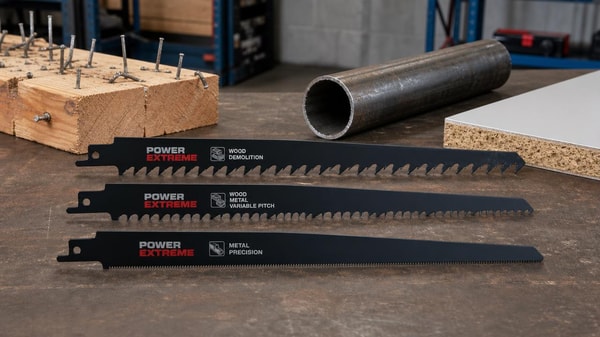
 Hand & Power ToolsReciprocating Saw Blades: Faster Demolition Starts With the Right Tooth DesignReciprocating saw blades work best when tooth design matches the job. Learn how to cut wood, metal, and mixed materials faster with better control, longer blade life, and fewer interruptions.Tooling & Hardware LeadMay 07, 2026
![]() Building HardwareStainless Steel Handrail Brackets for Coastal Projects: What to CheckStainless steel handrail brackets for coastal projects: learn what to check on grade, finish, fixings, and corrosion risk to avoid failures, ensure compliance, and choose with confidence.Tooling & Hardware LeadMay 07, 2026
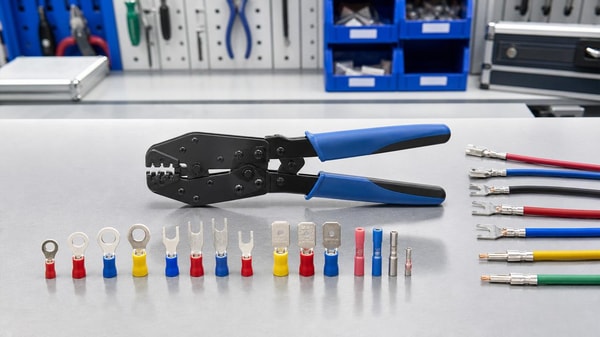
Building HardwareStainless Steel Handrail Brackets for Coastal Projects: What to CheckStainless steel handrail brackets for coastal projects: learn what to check on grade, finish, fixings, and corrosion risk to avoid failures, ensure compliance, and choose with confidence.Tooling & Hardware LeadMay 07, 2026 Hand & Power ToolsCrimping Tools Wholesale: How to Avoid Fit Issues Across TerminalsCrimping tools wholesale buyers: learn how to avoid terminal fit issues, compare key specs, and choose reliable suppliers to reduce rework, prevent failures, and improve repair consistency.Tooling & Hardware LeadMay 07, 2026
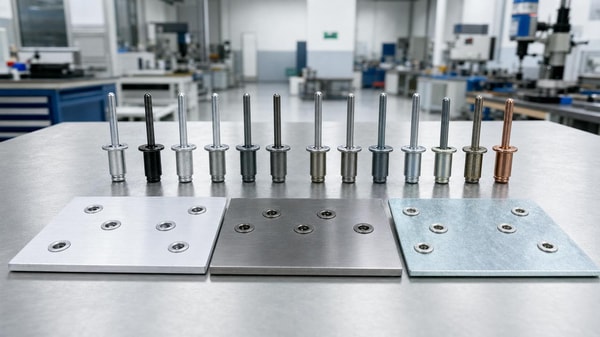
 Industrial FastenersBlind Rivets Wholesale: Material Matching Mistakes to AvoidBlind rivets wholesale buyers: avoid costly material matching mistakes. Learn how aluminum, steel, and stainless choices affect strength, corrosion, and long-term reliability.Tooling & Hardware LeadMay 07, 2026