Industry News
Curation by industry experts
Hot Articles
Popular Tags
Wholesale Jigsaw Blades: TPI Choices for Cleaner and Faster Cuts
Choosing the right TPI is critical when sourcing wholesale jigsaw blades for technical performance, cut quality, and operational efficiency. For evaluators comparing blade options across materials and applications, understanding how tooth-per-inch affects cutting speed, finish, and blade life can reduce trial costs and improve selection accuracy. This guide outlines practical TPI choices to help you achieve cleaner and faster cuts with confidence.
Why TPI Decisions Change by Application Scenario
For technical evaluators, selecting wholesale jigsaw blades is rarely about choosing the “best” blade in isolation. The better question is: best for which material, production pace, finish standard, and machine setup? TPI, or teeth per inch, directly influences chip removal, edge quality, heat generation, vibration, and feed control. A blade that performs well in a rough framing environment may be completely wrong for laminate countertop work, thin sheet metal, or curved decorative cuts.
This is why scenario-based evaluation matters. In high-volume cutting, speed and consistency may outweigh a near-polished edge. In visible finish applications, preventing top-surface tear-out can be more important than cycle time. In mixed-material maintenance work, versatility may matter more than maximum cutting speed. When buyers assess wholesale jigsaw blades without mapping TPI to real use cases, they often overpay for performance they do not need or under-spec blades that increase scrap, rework, and downtime.
A practical sourcing review should therefore connect TPI ranges with common application scenarios, tooth geometry, material thickness, and desired cut result. That approach supports faster qualification and more reliable supplier comparison.
How TPI Affects Cut Speed, Finish, and Blade Stability
In simple terms, lower TPI means fewer, larger teeth. These blades remove material quickly and are usually preferred for fast cuts in thicker wood, soft stock, or demolition-style work. The tradeoff is a rougher edge, more aggressive bite, and sometimes more vibration. Higher TPI means smaller, more closely spaced teeth. These blades cut more slowly but typically leave cleaner edges, especially in thin materials, laminates, plastics, and metals where tooth engagement must be controlled.
However, TPI should not be judged alone. The same nominal TPI can behave differently depending on tooth set, body thickness, progressive tooth pattern, and blade material such as HCS, HSS, BIM, or carbide-grit formats. For wholesale jigsaw blades, technical reviewers should treat TPI as the core signal for scenario fit, then verify whether the blade construction supports the expected workload and material category.
Scenario Comparison: Which TPI Range Fits Which Job?
The table below gives a practical starting point for evaluating wholesale jigsaw blades across common business and workshop applications. Final selection should still be confirmed through material thickness, machine stroke settings, and target edge quality.
Typical Application Scenarios for Wholesale Jigsaw Blades
1. Construction and Site Fabrication: Speed First, Finish Second
On active job sites, blades are often used for trimming framing lumber, subfloor panels, or basic cutouts where productivity matters more than edge cosmetics. In this scenario, wholesale jigsaw blades in the lower TPI range are usually favored because they clear chips quickly and maintain forward cutting speed in thicker wood. Evaluators should look for 6–10 TPI options when users prioritize aggressive cutting in softwood or general timber.
The caution here is control. If the blade is too coarse for the stock thickness, the cut may wander or splinter badly. For technical review, the best sourcing question is not only “How fast does it cut?” but also “How stable is the cut under real job-site conditions?”
2. Cabinetry, Joinery, and Interior Fit-Out: Cleaner Visible Edges
Furniture makers, interior contractors, and panel processors often require cuts that are visible after installation. Here, moderate to higher TPI is a safer choice. For plywood, hardwood sheet, veneered panels, or decorative boards, 10–14 TPI usually offers a better balance between finish quality and reasonable feed rate. If the board has a brittle top layer, a fine-tooth or reverse-tooth blade may reduce breakout on the visible face.
For wholesale jigsaw blades sold into this segment, supplier comparison should include not only TPI labeling but edge finish consistency across multiple sheets. A blade that starts clean but degrades quickly may create hidden costs through rework and sanding labor.
3. Laminate Countertops and Melamine Panels: Surface Protection Is Critical
Laminate and melamine are common failure points in blade selection because they punish aggressive tooth patterns. A low-TPI wood blade may cut quickly but often tears the decorative layer. For this scenario, evaluators should focus on wholesale jigsaw blades in the 12–20 TPI range, especially those engineered for down-cut or reverse-tooth action where top-surface chipping must be minimized.
This is a classic case where slower can be better. The objective is not maximum speed, but predictable finish quality and lower rejection rates. Technical buyers should ask suppliers for performance evidence on laminated surfaces rather than accepting generic “wood cutting” claims.
4. Maintenance, MRO, and Mixed-Material Service Work: Versatility Matters
Maintenance teams often face mixed cutting tasks in one shift: plastic access panels, thin aluminum sections, plywood backing, and light-gauge steel covers. In such environments, a broad product mix of wholesale jigsaw blades is more valuable than a single optimized SKU. Progressive-tooth or medium-to-high TPI blades can help teams handle variable material thickness without constant blade changes.
The sourcing decision here should prioritize range architecture. Does the supplier offer clear application segmentation? Are blades marked for wood, laminate, non-ferrous metal, and steel? Technical evaluators should be cautious of “universal” blades that overpromise and underperform in thin metal or brittle plastics.
5. Sheet Metal and Light Fabrication: Fine Teeth Prevent Damage
When cutting thin metals, TPI selection becomes more sensitive because too few teeth in contact can cause snagging, tooth breakage, or heavy vibration. For sheet metal and thin-wall profiles, 20–24 TPI is often a safer benchmark. The goal is to keep multiple teeth engaged in the material at all times. This improves control and reduces the risk of tearing the workpiece.
For wholesale jigsaw blades in metalworking channels, BIM construction frequently becomes important alongside TPI. Buyers evaluating lifecycle cost should examine whether a slightly higher unit price delivers longer service life and fewer blade failures.
How Different Buyers Should Judge TPI Priorities
Not every buyer values the same metric. Technical evaluation becomes more accurate when procurement teams define the primary success measure for each customer segment or internal user group.
Common Misjudgments When Selecting Wholesale Jigsaw Blades
One frequent mistake is assuming that higher TPI always means better quality. In reality, very fine teeth used on thick or soft wood can slow production and cause excess heat without meaningful finish improvement. Another mistake is judging TPI without reference to stock thickness. Thin metal needs more teeth engaged, while thick wood often needs deeper gullets for chip evacuation.
A third issue is ignoring machine and operator variables. Orbital action, stroke speed, and feed pressure can amplify or reduce the impact of TPI. Even well-specified wholesale jigsaw blades may disappoint if tested under uncontrolled conditions. Technical evaluators should standardize test protocols before concluding that a blade range is unsuitable.
Finally, buyers sometimes compare only price per blade instead of cost per acceptable cut. For applications with strict finish criteria, a slightly finer TPI blade that reduces edge damage can be the lower-cost option overall.
Practical Evaluation Checklist for Scenario Fit
Before approving wholesale jigsaw blades, technical teams should confirm five points. First, identify the dominant material family: wood, laminate, plastic, aluminum, or steel. Second, define whether the job requires rough cutting, finish cutting, or multipurpose use. Third, match TPI to material thickness so enough teeth remain engaged without clogging. Fourth, verify whether the tooth pattern supports the visible-face requirement, especially for laminates and veneered boards. Fifth, review blade life under realistic feed settings rather than marketing assumptions.
This checklist helps convert TPI from a catalog number into a reliable selection tool. It also makes supplier conversations more efficient because requirements become measurable and scenario-specific.
FAQ: TPI Questions Technical Evaluators Often Ask
Can one TPI range cover most general-purpose jobs?
For general wood and mixed workshop use, medium TPI ranges such as 10–14 TPI often provide a workable compromise. But for wholesale jigsaw blades intended for metal, laminate, or very rough wood cutting, dedicated ranges usually perform better.
Is lower TPI always faster?
Usually yes in thick, soft materials, but not universally. If the blade becomes unstable, overheats, or damages the edge, the actual job time may increase because of correction work.
What matters more for clean laminate cuts: TPI or tooth direction?
Both matter. Fine TPI helps reduce chipping, while reverse-tooth or down-cut geometry may better protect the visible surface. Evaluators should review both factors together.
Final Sourcing Guidance for Cleaner and Faster Cuts
The most effective way to source wholesale jigsaw blades is to begin with application scenarios, not product claims. Fast site cutting, visible cabinetry edges, melamine finish protection, mixed-material maintenance work, and thin metal fabrication all require different TPI logic. By aligning tooth density with material type, thickness, finish expectations, and throughput goals, technical evaluators can reduce qualification time and select blade ranges with greater confidence.
For organizations building a reliable supply strategy, the next step is to create a short approval matrix: application, material, thickness range, preferred TPI, acceptable finish level, and target blade life. That structure makes it easier to compare wholesale jigsaw blades from multiple suppliers and identify the options that truly support cleaner cuts, faster workflows, and lower total operating cost.
Recommended News
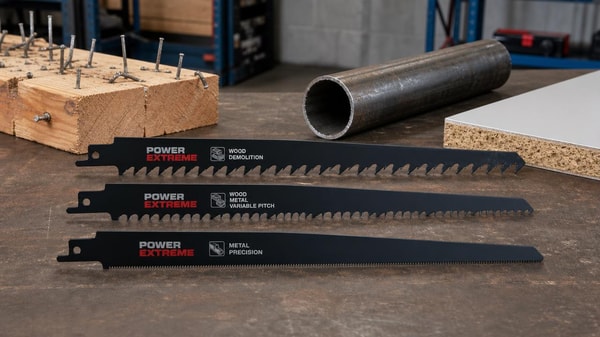
 Hand & Power ToolsReciprocating Saw Blades: Faster Demolition Starts With the Right Tooth DesignReciprocating saw blades work best when tooth design matches the job. Learn how to cut wood, metal, and mixed materials faster with better control, longer blade life, and fewer interruptions.Tooling & Hardware LeadMay 07, 2026
![]() Building HardwareStainless Steel Handrail Brackets for Coastal Projects: What to CheckStainless steel handrail brackets for coastal projects: learn what to check on grade, finish, fixings, and corrosion risk to avoid failures, ensure compliance, and choose with confidence.Tooling & Hardware LeadMay 07, 2026
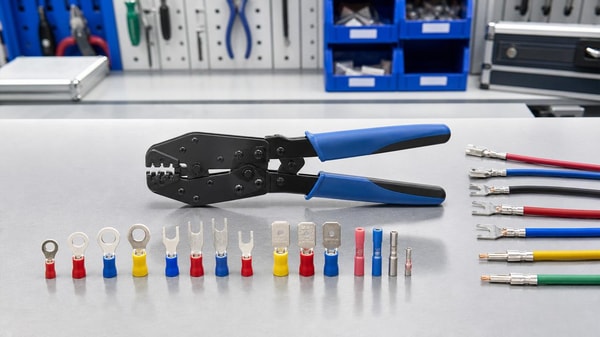
Building HardwareStainless Steel Handrail Brackets for Coastal Projects: What to CheckStainless steel handrail brackets for coastal projects: learn what to check on grade, finish, fixings, and corrosion risk to avoid failures, ensure compliance, and choose with confidence.Tooling & Hardware LeadMay 07, 2026 Hand & Power ToolsCrimping Tools Wholesale: How to Avoid Fit Issues Across TerminalsCrimping tools wholesale buyers: learn how to avoid terminal fit issues, compare key specs, and choose reliable suppliers to reduce rework, prevent failures, and improve repair consistency.Tooling & Hardware LeadMay 07, 2026
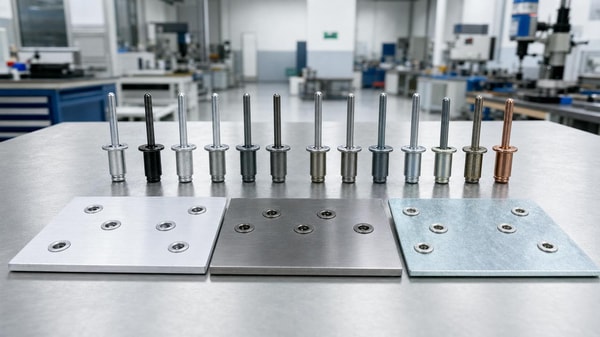
 Industrial FastenersBlind Rivets Wholesale: Material Matching Mistakes to AvoidBlind rivets wholesale buyers: avoid costly material matching mistakes. Learn how aluminum, steel, and stainless choices affect strength, corrosion, and long-term reliability.Tooling & Hardware LeadMay 07, 2026