Industry News
Curation by industry experts
Hot Articles
Popular Tags
Heavy Duty Bench Vise Buying Guide for Demanding Workshop Use
Choosing the right heavy duty bench vise can make the difference between safe, precise work and constant frustration in a demanding workshop. For operators who rely on durability, clamping strength, and long-term performance, this guide highlights the key features, materials, and practical buying factors that matter most before making an investment.
What a Heavy Duty Bench Vise Is and Why It Matters
A heavy duty bench vise is a fixed clamping tool designed to hold metal, wood, pipe, or fabricated parts securely during cutting, filing, drilling, threading, grinding, bending, and assembly work. Unlike light-duty hobby vises, a true heavy duty bench vise is built for repeated force, higher shock loads, stronger jaw pressure, and more demanding shop conditions. In practical terms, it becomes a core workstation tool rather than an occasional accessory.
For workshop operators, the value is simple: stable workholding improves accuracy, speed, and safety. A weak or poorly matched vise can slip under load, deform the workpiece, or crack after repeated impact. In contrast, a well-selected heavy duty bench vise supports controlled force application, reduces operator fatigue, and helps maintain consistent output across maintenance, repair, fabrication, and industrial service tasks.
This is why the heavy duty bench vise remains highly relevant across the broader industrial supply landscape. In sectors tied to hardware, fasteners, light manufacturing, maintenance operations, and workshop support, buyers and users continue to look for tools that balance rugged construction with practical usability. For decision-makers influenced by reliability, lifecycle cost, and sourcing credibility, the vise is a small but essential productivity asset.
Why Workshops Pay More Attention to Vise Quality Today
Modern workshops often handle mixed materials, shorter production runs, tighter tolerances, and higher safety expectations than in the past. Operators may switch between steel brackets, threaded rod, pipe sections, aluminum profiles, and repair components in the same day. That variety places greater demands on a heavy duty bench vise than simple static holding.
At the same time, tool buyers are more aware of total cost of ownership. A low-price vise that wears quickly, develops jaw misalignment, or fails under impact can interrupt work and create avoidable replacement costs. In global sourcing and supply chain environments, this has increased attention on material grade, casting quality, machining accuracy, spare parts availability, and manufacturer trust signals.
From an operational perspective, vise quality also connects to risk management. Workshops that perform repetitive clamping, hammering, or precision fitting cannot afford unstable holding performance. The better the clamping system, the easier it is for the operator to maintain repeatable positioning and reduce rework. That is especially important in facilities where efficiency, uptime, and safe tool use directly affect commercial performance.
Core Features That Define a Reliable Heavy Duty Bench Vise
When evaluating a heavy duty bench vise, operators should look beyond headline jaw width and focus on the full mechanical design. The most dependable units combine strong materials, accurate sliding action, solid mounting, and fit-for-purpose jaw geometry.
Body Material and Construction
The body is commonly made from cast iron, ductile iron, forged steel, or fabricated steel. Standard cast iron is common and economical, but for demanding workshop use, ductile iron or forged steel generally offers better shock resistance and reduced risk of brittle fracture. If the vise may see hammering, bending, or stubborn part removal, higher-strength construction is usually the safer choice.
Jaw Width, Opening, and Throat Depth
Jaw width tells you how much contact area the vise provides. Opening capacity determines the maximum size of the workpiece it can hold, while throat depth affects how far down the jaws can grip. A heavy duty bench vise used for fabrication should match the actual part sizes handled in the shop, not just occasional oversized jobs.
Spindle and Slide Quality
The screw mechanism must turn smoothly under load and resist backlash over time. A protected spindle, robust nut, and accurately machined slide channel all contribute to long service life. If the motion feels rough, loose, or uneven when tested, long-term precision will likely suffer.
Replaceable Jaw Plates
Hardened, replaceable jaws are a major advantage. They allow users to restore grip when teeth wear out and to switch to softer covers for delicate materials. This extends the working life of the heavy duty bench vise and improves versatility.
Anvil Area and Base Design
Many models include a rear anvil surface for light peening or straightening. It is useful, but it should not be confused with a dedicated forging surface. Likewise, swivel bases add flexibility for positioning, but fixed-base vises often offer greater rigidity. The correct choice depends on whether the operator values angle access or maximum stability.
Material and Construction Overview
The table below summarizes common heavy duty bench vise construction options and their practical implications in workshop use.
Where a Heavy Duty Bench Vise Delivers the Most Value
A heavy duty bench vise is valuable wherever stable holding directly supports manual control, part accuracy, or safe force application. The tool is especially useful when workpieces are irregular, when two hands are needed for the task, or when repeatability matters more than speed alone.
How to Match the Vise to the Job
The best heavy duty bench vise is not always the largest one. It is the one that matches the real workflow. Start by reviewing the most common workpiece sizes, material hardness, and bench tasks. If the shop mainly cuts and deburrs mild steel flats, a medium-large vise with good jaws and a rigid base may be enough. If the station handles seized components, aggressive shaping, or repeated hammer-assisted work, a stronger body and more robust guide system become more important.
Bench capacity matters too. A heavy vise on a weak bench creates instability and wastes the tool’s potential. Confirm that the workbench, mounting bolts, and surrounding space can support the vise under full load. Operators should also think about handle swing clearance, body position, and whether the vise location interferes with longer stock.
For mixed-material work, plan for jaw protection. Serrated hardened jaws grip steel well, but they can mark softer surfaces. Soft jaw covers made from aluminum, copper, plastic, or fiber can prevent damage. This is a practical upgrade that improves the value of a heavy duty bench vise without changing the base tool.
Practical Buying Factors Operators Should Not Ignore
Several buying factors are often overlooked because they are less visible than jaw size or brand name. First is machining consistency. Jaw alignment should remain parallel when tightened. Poor alignment reduces contact area and weakens real clamping force. Second is handle and screw feel. Smooth travel under load often indicates better threading, guide fit, and lubrication design.
Third is serviceability. A heavy duty bench vise used daily should have replaceable jaws, accessible hardware, and available spare parts where possible. This matters for workshops that value tool longevity over one-time purchase savings. Fourth is coating and corrosion protection. In humid or dirty environments, a well-finished vise body and protected sliding surfaces can slow deterioration.
Finally, evaluate supplier credibility. In a global sourcing environment, buyers benefit from suppliers that provide clear specifications, material details, load suitability guidance, and evidence of manufacturing consistency. For organizations following data-driven procurement practices, these trust indicators are increasingly important, especially when equipping multiple workstations.
Common Mistakes When Selecting a Heavy Duty Bench Vise
One common mistake is buying based only on maximum size. Oversized vises add weight and cost while sometimes reducing ease of use for everyday tasks. Another is assuming every “industrial” label means the same build quality. Marketing terms vary widely, so operators should verify body material, jaw hardness, and construction details.
A third mistake is using the vise as a substitute for every impact tool application. Even a heavy duty bench vise has limits. Excessive side loading, severe hammer blows, or misuse of the handle with extension bars can damage the screw, nut, or body. Correct usage is part of getting the expected service life.
Another frequent issue is poor installation. If the vise is mounted with inadequate bolts, on an unstable bench edge, or without proper support under the base, performance and safety both suffer. Buying a quality vise without installing it correctly weakens the entire investment.
Maintenance and Safe Use for Long-Term Performance
Even the best heavy duty bench vise benefits from basic maintenance. Keep the slide, screw, and jaw area clean from chips and abrasive dust. Lubricate the spindle regularly to reduce wear and maintain smooth clamping. Inspect mounting bolts and swivel locks for looseness, especially in high-use stations.
Operators should clamp work as low and centered as possible to minimize twisting loads. Use jaw covers for finished parts, avoid cheater bars on the handle, and do not strike unsupported workpieces with excessive force. If jaw teeth are badly worn or the slide becomes sloppy, repair or replace the affected components before work quality declines.
Final Guidance for Confident Selection
A heavy duty bench vise is a foundational workshop tool because it directly affects control, safety, and repeatable results. The right choice depends on real work conditions: material type, force level, part size, bench stability, and frequency of use. For demanding workshop environments, prioritize body strength, jaw quality, spindle durability, and installation integrity over marketing claims alone.
If you are equipping a repair bay, fabrication bench, or industrial maintenance station, take time to compare construction quality and practical service features before purchasing. A well-matched heavy duty bench vise will serve as a dependable anchor point for daily operations, helping operators work more accurately and with fewer interruptions. For organizations seeking trustworthy product intelligence and sourcing insight across hardware and workshop essentials, informed evaluation is the first step toward better long-term performance.
Recommended News
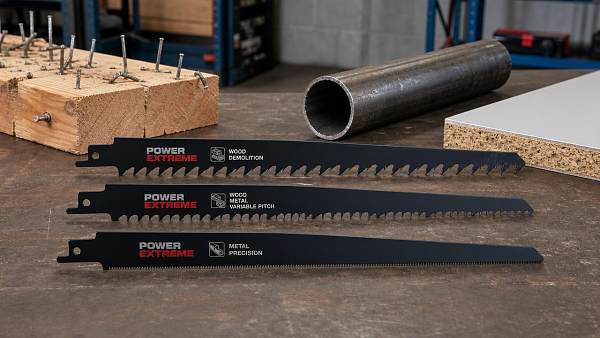
 Hand & Power ToolsReciprocating Saw Blades: Faster Demolition Starts With the Right Tooth DesignReciprocating saw blades work best when tooth design matches the job. Learn how to cut wood, metal, and mixed materials faster with better control, longer blade life, and fewer interruptions.Tooling & Hardware LeadMay 07, 2026
![]() Building HardwareStainless Steel Handrail Brackets for Coastal Projects: What to CheckStainless steel handrail brackets for coastal projects: learn what to check on grade, finish, fixings, and corrosion risk to avoid failures, ensure compliance, and choose with confidence.Tooling & Hardware LeadMay 07, 2026
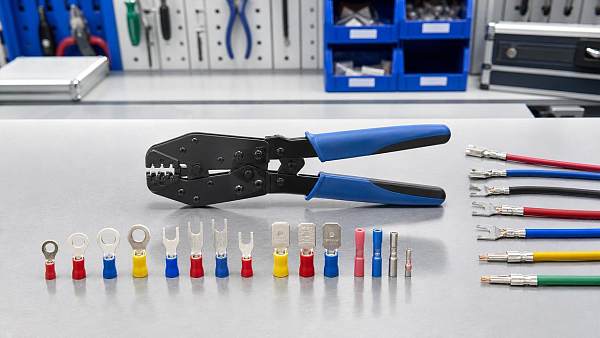
Building HardwareStainless Steel Handrail Brackets for Coastal Projects: What to CheckStainless steel handrail brackets for coastal projects: learn what to check on grade, finish, fixings, and corrosion risk to avoid failures, ensure compliance, and choose with confidence.Tooling & Hardware LeadMay 07, 2026 Hand & Power ToolsCrimping Tools Wholesale: How to Avoid Fit Issues Across TerminalsCrimping tools wholesale buyers: learn how to avoid terminal fit issues, compare key specs, and choose reliable suppliers to reduce rework, prevent failures, and improve repair consistency.Tooling & Hardware LeadMay 07, 2026
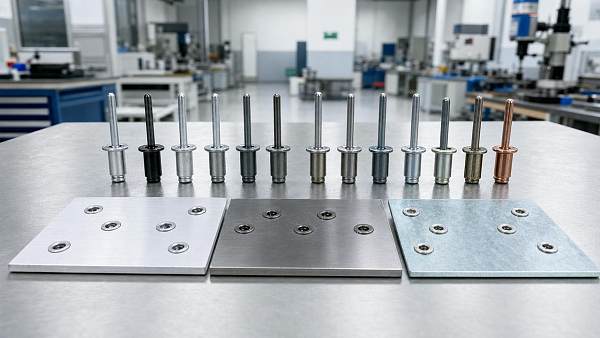
 Industrial FastenersBlind Rivets Wholesale: Material Matching Mistakes to AvoidBlind rivets wholesale buyers: avoid costly material matching mistakes. Learn how aluminum, steel, and stainless choices affect strength, corrosion, and long-term reliability.Tooling & Hardware LeadMay 07, 2026