Industry News
Curation by industry experts
Hot Articles
Popular Tags
Wood Carving Tools Explained: What to Buy First and What to Skip
Choosing wood carving tools can feel overwhelming when every set claims to be essential. If you are just starting, this guide breaks down which wood carving tools are worth buying first, which ones can wait, and how to avoid wasting money on pieces you may never use. Get a clear, practical starting point before building your kit.
Understanding wood carving tools and why beginners often overbuy
At the most basic level, wood carving tools are hand tools used to remove, shape, refine, and detail wood. They include knives, gouges, chisels, mallets, sharpening supplies, and specialty tools for texture or deep relief work. For a beginner, the challenge is not a lack of options but too many options presented without context. Starter kits often bundle dozens of pieces, making it seem as though real progress requires a large collection from day one.
In reality, most new carvers use only a small core group of tools during their first months. The best early results usually come from learning tool control, wood grain direction, safe hand positions, and sharpening technique rather than from owning every profile available. That is why the smartest first purchase strategy is selective, not expansive. Buy tools that let you learn the core cuts well, then add specialized pieces only when your projects begin to demand them.
This topic matters beyond hobby interest. In the broader furniture and decor market, wood carving remains relevant in custom home accents, artisanal gifts, restoration work, and decorative product finishing. As consumer interest in handmade goods grows, understanding wood carving tools also helps buyers assess craftsmanship quality, tool value, and realistic entry costs.
The current market context around wood carving tools
The market for wood carving tools has expanded rapidly through e-commerce, social media tutorials, and global sourcing. That is good news because buyers now have access to more brands, more price points, and more educational resources. However, it also creates confusion. Low-cost imported kits may look impressive in photos but often include soft steel, uncomfortable handles, and duplicate shapes that add little real value.
For end consumers, the key issue is not simply price but fit for purpose. A small set of reliable wood carving tools can outperform a large budget set if the edge holds well and the tool shape matches beginner-friendly tasks. From a sourcing and product quality perspective, this is where informed evaluation matters. Brands that provide steel specifications, sharpening guidance, and realistic use cases tend to offer more trust than brands that market quantity over function.
This is also why editorially curated buying guidance has become valuable. In sectors connected to furniture, decor, and light manufacturing, practical product literacy helps consumers make choices that reduce waste, improve safety, and support better craftsmanship outcomes.
What wood carving tools actually do in a beginner workflow
Before deciding what to buy, it helps to understand the roles different wood carving tools play in the carving process. Most beginner projects move through four stages: rough shaping, refining form, adding details, and smoothing or finishing surfaces. Different tools support each stage, but one tool rarely does everything equally well.
- Carving knives handle slicing, shaping, and detail work, especially in whittling and small figure carving.
- Gouges remove curved channels and shape concave surfaces.
- Straight chisels flatten areas, define edges, and clean transitions.
- Mallet-driven tools help when removing more material in harder woods or relief carving.
- Sharpening strops and compounds maintain performance and safety.
If you are only making spoons, ornaments, or simple figures, you do not need the same setup as someone doing furniture embellishment or architectural relief carving. That is why a beginner toolkit should reflect project type, not marketing pressure.
A practical overview of essential and nonessential first purchases
The table below gives a realistic starting view of which wood carving tools deserve priority and which ones often make sense later.
What to buy first: the small kit that covers most beginner needs
For most people, the best first set of wood carving tools is surprisingly modest. Start with one high-quality general carving knife. Look for a blade shape designed for controlled slicing rather than heavy prying. A comfortable handle matters because beginners often grip too tightly, and poor ergonomics can lead to fatigue faster than expected.
Next, buy a strop and polishing compound. This is not optional. Many new carvers assume sharpening can wait, but edge maintenance is part of normal use. A dull knife forces more pressure, increases tear-out, and raises the chance of slips. If your budget is limited, spend less on tool quantity and more on keeping one good blade sharp.
A protective glove or thumb guard should also be part of your first purchase. While skill and technique remain the main safety factors, protective gear reduces the cost of beginner mistakes. That makes practice less intimidating and more sustainable.
If your first projects include spoons, bowls, or rounded decorative forms, add one small gouge or hook knife depending on your project path. But add only one. Early experience will quickly reveal whether curved cutting is central to your work or just occasional.
What to skip at the beginning and why
The easiest money to waste on wood carving tools is spent on large beginner kits with impressive counts and unclear purpose. These sets often include multiple nearly identical gouges, shallow tools that do not cut cleanly, or steel that needs constant resharpening. On paper, they seem economical. In practice, they can slow learning because the user spends more time fighting tool quality than developing technique.
It also makes sense to delay specialized tools such as multiple V-tools, deep bent gouges, back-bent tools, heavy mallet chisels, and texturing tools. These tools absolutely have value, but their value depends on project direction. If you do not yet know whether you prefer relief carving, chip carving, spoon carving, or figure carving, buying specialized profiles too early usually creates clutter rather than capability.
Power carving tools may also be worth postponing. Rotary tools and powered carving systems can be excellent in the right hands, especially for shaping or sanding. However, they add cost, dust, noise, and a different learning curve. Hand-based wood carving tools usually teach grain reading and edge control more directly, which builds a stronger foundation.
Choosing tools by project type instead of by marketing category
One of the most effective ways to choose wood carving tools is to start from the object you want to make. This keeps spending connected to real use.
This project-first method reflects how experienced carvers often build collections over time. Their tool rolls are not random. They are shaped by repeated needs, preferred cuts, and material choices.
How to judge quality when comparing wood carving tools
When evaluating wood carving tools, begin with steel quality, edge retention, handle comfort, and finish consistency. Good tools should arrive sharpened or at least grind-ready with a clean bevel that can be refined. The handle should feel stable without hot spots during push cuts. Tool geometry should also make sense for its intended use; an awkward bevel angle can make even decent steel feel disappointing.
Reviews are useful, but look for specific comments rather than emotional ones. Feedback about sharpening frequency, blade chipping, handle cracking, or edge polish is more valuable than general claims that a tool is “great” or “terrible.” For global buyers and informed consumers alike, product transparency is a trust signal. Sellers that clearly describe blade material, intended application, and maintenance needs are usually easier to buy from with confidence.
Common beginner mistakes with wood carving tools
A frequent mistake is assuming more tools equal faster learning. Another is spending heavily on premium specialty tools before mastering one basic knife. Some beginners also choose hardwoods too early, then blame the tool when the real problem is material difficulty. Basswood and other carving-friendly woods usually provide a better learning environment.
Neglecting sharpening is another major issue. Even excellent wood carving tools underperform when dull. Finally, many beginners copy advanced tool setups from professional carvers without considering project scale. A decorative furniture carver and a weekend whittler may both use wood carving tools, but their ideal kits can look completely different.
A balanced starting approach that saves money and builds skill
If you want a practical buying plan, start with three priorities: one dependable carving knife, one sharpening setup, and one safety item. Add a single gouge or specialty knife only when your chosen project type clearly requires it. Skip oversized bundles unless you already understand what each shape will do for your workflow. That approach keeps your early investment focused while helping you build real skill with wood carving tools.
For consumers exploring handmade crafts, decor, or gifting, this measured approach also makes the hobby more rewarding. You spend less, learn faster, and gain a clearer sense of what quality feels like in hand. Over time, your collection of wood carving tools can grow naturally around proven needs rather than impulse purchases.
In a market full of broad claims and crowded product listings, the smartest first move is not buying the most tools. It is buying the right few tools, using them well, and letting experience guide the next step.
Recommended News
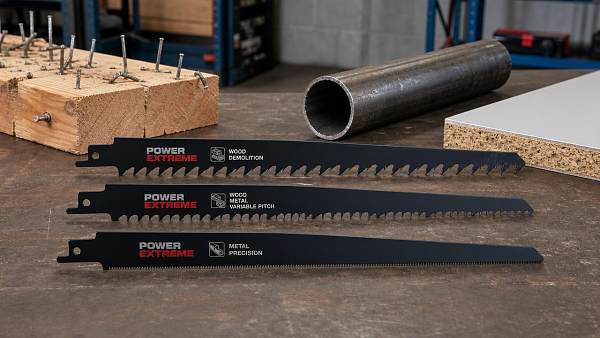
 Hand & Power ToolsReciprocating Saw Blades: Faster Demolition Starts With the Right Tooth DesignReciprocating saw blades work best when tooth design matches the job. Learn how to cut wood, metal, and mixed materials faster with better control, longer blade life, and fewer interruptions.Tooling & Hardware LeadMay 07, 2026
![]() Building HardwareStainless Steel Handrail Brackets for Coastal Projects: What to CheckStainless steel handrail brackets for coastal projects: learn what to check on grade, finish, fixings, and corrosion risk to avoid failures, ensure compliance, and choose with confidence.Tooling & Hardware LeadMay 07, 2026
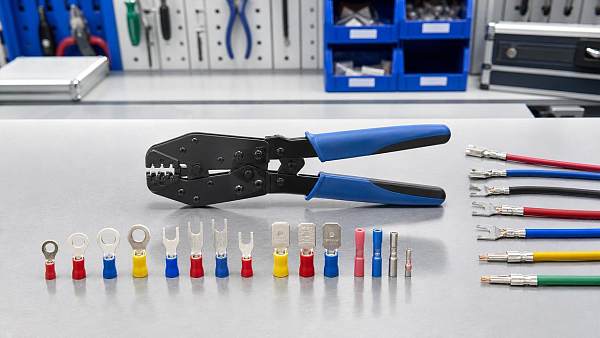
Building HardwareStainless Steel Handrail Brackets for Coastal Projects: What to CheckStainless steel handrail brackets for coastal projects: learn what to check on grade, finish, fixings, and corrosion risk to avoid failures, ensure compliance, and choose with confidence.Tooling & Hardware LeadMay 07, 2026 Hand & Power ToolsCrimping Tools Wholesale: How to Avoid Fit Issues Across TerminalsCrimping tools wholesale buyers: learn how to avoid terminal fit issues, compare key specs, and choose reliable suppliers to reduce rework, prevent failures, and improve repair consistency.Tooling & Hardware LeadMay 07, 2026
 Industrial FastenersBlind Rivets Wholesale: Material Matching Mistakes to AvoidBlind rivets wholesale buyers: avoid costly material matching mistakes. Learn how aluminum, steel, and stainless choices affect strength, corrosion, and long-term reliability.Tooling & Hardware LeadMay 07, 2026