Industry News
Curation by industry experts
Hot Articles
Popular Tags
Wholesale Rotary Hammer Drill: SDS Options, Power, and Cost Compared
Choosing the right wholesale rotary hammer drill can directly impact project efficiency, tool lifespan, and procurement costs. For sourcing teams comparing SDS options, motor power, and total ownership cost, understanding the real differences between models is essential. This guide breaks down the key factors buyers should evaluate to make smarter bulk purchasing decisions.
Why Scenario Differences Matter in Wholesale Rotary Hammer Drill Procurement
A wholesale rotary hammer drill is not a one-size-fits-all purchase. Procurement teams often compare products by price and rated power alone, yet the right model depends heavily on jobsite conditions, duty cycle, user skill level, material hardness, and expected maintenance support. A tool that performs well for electrical installers drilling anchors in concrete may be inefficient for a demolition crew removing tile and channeling masonry all day. Likewise, a compact SDS-Plus unit can be ideal for service contractors, while a high-impact SDS-Max machine may be necessary for infrastructure work.
For B2B buyers, the real issue is matching operating scenarios to tool architecture. The wrong match creates hidden costs: bit wear rises, drilling speed drops, operator fatigue increases, and warranty claims become more frequent. In bulk buying, even a small mismatch can multiply across dozens or hundreds of units. That is why application-based evaluation is more useful than choosing only by brand reputation or headline wattage.
The Main Jobsite Scenarios Where Rotary Hammer Drills Are Used
Most wholesale rotary hammer drill demand comes from five common business scenarios. Each has distinct expectations for speed, impact force, tool weight, chuck type, and cost control.
1. Interior MEP Installation and Anchor Drilling
Mechanical, electrical, and plumbing contractors often drill repeated small to medium diameter holes in concrete, block, and brick. These users usually value maneuverability, lower vibration, and compatibility with common anchor sizes. In this scenario, SDS-Plus models are frequently the most practical option because they balance portability and daily productivity.
2. Commercial Fit-Out and Renovation
Renovation teams need versatility. They may drill for cable trays in the morning, remove tiles in the afternoon, and chase shallow channels later in the day. Here, mode selection matters: drill only, hammer drill, and light chiseling functions all add value. Buyers should focus on a wholesale rotary hammer drill that supports mixed-use workflows rather than maximum drilling power alone.
3. Civil Construction and Structural Work
Heavy-duty projects such as foundation repairs, bridge maintenance, utility trench support, and structural concrete work typically require larger bits, deeper holes, and higher impact energy. These applications often push standard tools beyond their efficient range. SDS-Max machines are commonly preferred because they handle larger diameter drilling and more aggressive chiseling with better durability under continuous load.
4. Facilities Maintenance and Service Fleets
Property maintenance firms, industrial plants, and public sector repair teams often buy tools for distributed crews. Their key concern is not only performance but also fleet simplicity, spare parts access, and standardized accessories. A wholesale rotary hammer drill for this scenario should be easy to train on, resistant to misuse, and economical to service across many users.
5. Rental, Distribution, and Resale Channels
Wholesalers serving rental houses or secondary distributors need products with broad application appeal. These buyers should prioritize robustness, low return rates, intuitive operation, and packaging that supports channel sales. In this environment, the best wholesale rotary hammer drill is often the one with the lowest lifecycle friction, not necessarily the highest specification.
SDS-Plus vs SDS-Max: Which Scenario Fits Which System?
SDS type is one of the first filtering decisions in procurement. It affects drilling diameter, bit availability, tool size, and application range. For purchasing teams, the question is less about which standard is “better” and more about where each system creates the strongest operational fit.
In practical sourcing, SDS-Plus usually covers the highest volume demand. However, buyers should avoid forcing SDS-Plus tools into heavy-duty structural tasks simply to lower initial spend. That decision often raises total cost through slower drilling, more failed accessories, and higher replacement frequency.
How Much Power Is Enough in Different Use Cases?
Power should be evaluated as usable output in a given task, not just as a marketing number. Procurement teams often compare wattage, voltage, or amperage, but the more meaningful question is whether the tool can sustain the required bit size and material type without overheating or slowing down under load.
For light-duty and medium-duty applications, moderate power combined with good ergonomics may produce better daily productivity than a heavier machine with more nominal output. This is especially true when crews drill many overhead holes or move between rooms frequently. By contrast, infrastructure and demolition-oriented jobs benefit from higher impact energy and more robust internal components, even if the tool is heavier and more expensive.
When reviewing a wholesale rotary hammer drill range, buyers should examine four linked indicators: recommended drilling diameter, single impact energy, no-load speed under category norms, and thermal durability under repeated cycles. In heavy-use environments, impact energy and sustained performance usually matter more than a small difference in rated motor power.
Cost Comparison: Initial Price vs Total Ownership Cost
A low quote does not always mean a lower procurement cost. For wholesale rotary hammer drill purchasing, total ownership cost includes tool life, service intervals, accessory compatibility, operator productivity, freight efficiency, and failure rates in the field. Buyers focused only on unit price can overlook the cost of labor delays, warranty handling, and idle crews waiting for replacement tools.
For fleet purchases, a useful method is to estimate cost per productive hole or cost per operating month rather than cost per unit. This gives sourcing managers a clearer view of whether a premium wholesale rotary hammer drill actually lowers project expense over time.
Scenario-Based Buying Recommendations for Procurement Teams
If your company buys for multiple teams, segment demand before negotiating. Do not bundle all requirements into one generic specification. Instead, build a simple usage matrix based on material, hole diameter, daily runtime, mobility needs, and operator experience.
For contractors with frequent anchor installation
Prioritize SDS-Plus tools with balanced weight, dependable clutch systems, and strong accessory availability. Look for a wholesale rotary hammer drill that supports repetitive work without excessive fatigue. Standardization across teams can simplify spares and training.
For mixed-use renovation firms
Choose models with three operating modes and good vibration control. Flexibility is more valuable than maximum output. Make sure the machine can transition efficiently between drilling and light chiseling without frequent breakdowns.
For infrastructure or structural projects
Select SDS-Max machines with proven endurance and clear service support. In this scenario, underbuying is usually more expensive than buying a stronger platform. Validate impact performance, cooling design, and duty-cycle suitability before issuing bulk orders.
For distributors and rental channels
Favor durable, intuitive models with broad use appeal and clear parts support. Packaging quality, documentation, and after-sales responsiveness matter because they influence end-user satisfaction and return handling. A wholesale rotary hammer drill for resale should combine practical performance with channel reliability.
Common Misjudgments Buyers Should Avoid
One common mistake is choosing by highest listed power without reviewing the real application mix. Another is assuming that all SDS tools serve the same market. Buyers also sometimes ignore operator conditions: a high-powered machine may reduce productivity if it is too heavy for overhead use or too complex for temporary labor teams.
A further oversight is failing to confirm after-sales capabilities in the target market. Even a competitive wholesale rotary hammer drill can become a procurement problem if spare brushes, chucks, seals, or repair procedures are not available locally. Finally, some teams underestimate the importance of bit ecosystem compatibility. Accessory cost and supply consistency can significantly affect long-term value.
FAQ for Buyers Comparing Wholesale Rotary Hammer Drill Options
Is SDS-Plus enough for most procurement needs?
For general construction, anchor installation, maintenance, and many renovation tasks, yes. But for large-diameter holes, aggressive chiseling, or sustained structural work, SDS-Max is often the better operational fit.
Should buyers prioritize corded or cordless models?
That depends on the work environment. Corded units usually offer lower acquisition cost and continuous output for long sessions. Cordless models improve mobility and reduce site setup time, but battery ecosystem cost must be included in the sourcing plan.
What is the most important cost metric in bulk buying?
For professional procurement, total ownership cost is more meaningful than unit price alone. Compare productivity, repair rate, service coverage, and expected lifespan alongside the quote.
Final Decision Framework for Smarter Bulk Purchasing
The best wholesale rotary hammer drill is the one that aligns with actual working conditions, crew behavior, and support capacity. Start by separating demand into real scenarios: repetitive anchor drilling, mixed renovation, heavy structural work, or channel resale. Then compare SDS options, power class, accessory ecosystem, and lifecycle cost within each scenario instead of across abstract specifications.
For procurement teams, smarter purchasing comes from asking practical questions before requesting quotations: What materials are drilled most often? What hole sizes dominate? How many hours per day will the tool run? Is chiseling part of the workflow? Who will service the fleet? Once those answers are clear, selecting the right wholesale rotary hammer drill becomes far more efficient, defensible, and cost-effective. If you are evaluating suppliers, build your shortlist around scenario fit first and pricing second.
Recommended News
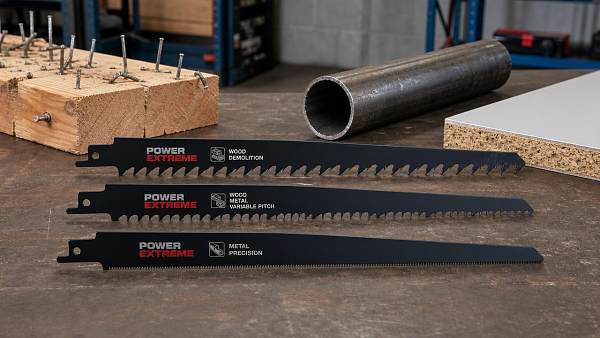
 Hand & Power ToolsReciprocating Saw Blades: Faster Demolition Starts With the Right Tooth DesignReciprocating saw blades work best when tooth design matches the job. Learn how to cut wood, metal, and mixed materials faster with better control, longer blade life, and fewer interruptions.Tooling & Hardware LeadMay 07, 2026
![]() Building HardwareStainless Steel Handrail Brackets for Coastal Projects: What to CheckStainless steel handrail brackets for coastal projects: learn what to check on grade, finish, fixings, and corrosion risk to avoid failures, ensure compliance, and choose with confidence.Tooling & Hardware LeadMay 07, 2026
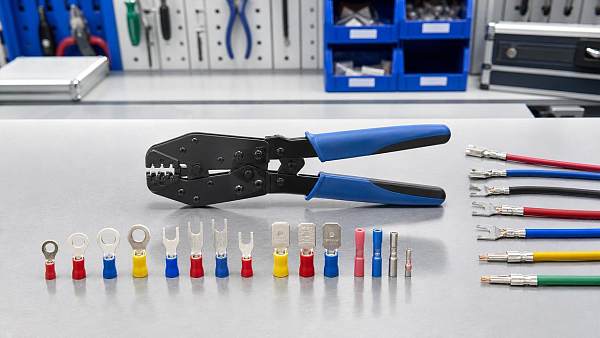
Building HardwareStainless Steel Handrail Brackets for Coastal Projects: What to CheckStainless steel handrail brackets for coastal projects: learn what to check on grade, finish, fixings, and corrosion risk to avoid failures, ensure compliance, and choose with confidence.Tooling & Hardware LeadMay 07, 2026 Hand & Power ToolsCrimping Tools Wholesale: How to Avoid Fit Issues Across TerminalsCrimping tools wholesale buyers: learn how to avoid terminal fit issues, compare key specs, and choose reliable suppliers to reduce rework, prevent failures, and improve repair consistency.Tooling & Hardware LeadMay 07, 2026
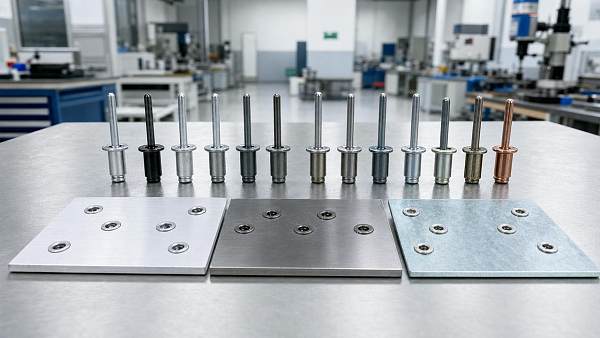
 Industrial FastenersBlind Rivets Wholesale: Material Matching Mistakes to AvoidBlind rivets wholesale buyers: avoid costly material matching mistakes. Learn how aluminum, steel, and stainless choices affect strength, corrosion, and long-term reliability.Tooling & Hardware LeadMay 07, 2026