Industry News
Curation by industry experts
Hot Articles
Popular Tags
Sliding Glass Door Hardware Problems You Can Prevent at the Design Stage
For project managers and engineering leads, many sliding glass door hardware failures are not installation accidents—they begin in the design phase. From load calculations and track alignment to corrosion resistance and traffic frequency, early decisions directly affect long-term performance, safety, and maintenance costs. This guide explores the most common sliding glass door hardware problems you can prevent before procurement and construction start.
Why design-stage decisions matter for sliding systems
In commercial and mixed-use projects, sliding glass door hardware is often evaluated too late, after opening sizes, glazing specifications, and architectural intent have already been fixed. That sequence creates avoidable conflicts. The door may look elegant on drawings, but the hardware may be under-rated for panel weight, vulnerable to corrosion, noisy under heavy traffic, or difficult to service once the building is occupied.
For project teams, this is not a small technical issue. Poor hardware design assumptions can trigger schedule delays, change orders, warranty claims, user complaints, and safety concerns. In sectors where durability, compliance, and lifecycle cost are now central to procurement, sliding glass door hardware should be treated as an engineered system, not a finishing accessory.
The design stage is where performance is locked in. Decisions about door leaf dimensions, glass thickness, support structure, threshold details, access control, and environmental exposure all influence whether the system will slide smoothly for years or begin failing within months.
What sliding glass door hardware includes
For engineering leads, the term sliding glass door hardware covers more than rollers and tracks. It includes hangers, running gears, bottom guides, stops, dampers, locks, handles, soft-close devices, seals, thresholds, anti-jump mechanisms, support profiles, and anchoring interfaces with the surrounding structure. In some applications, it also includes automation components, access control integration, and fire or smoke-related interface requirements.
Because these components work as a system, a single mismatch can compromise the whole assembly. A high-quality roller cannot compensate for an uneven support beam. A corrosion-resistant track will not solve deflection caused by an under-designed header. Effective specification requires the hardware package to be coordinated with structure, glazing, building use, and maintenance expectations.
Current industry focus: performance, resilience, and lifecycle value
Across global construction supply chains, buyers and specifiers are under pressure to reduce failure risk while improving whole-life value. That is especially relevant for sliding glass door hardware in airports, offices, retail centers, hospitality projects, healthcare buildings, and premium residential developments. End users now expect quiet operation, low opening force, clean detailing, accessibility compliance, and minimal downtime.
At the same time, procurement teams are balancing ESG targets, exposure-specific material selection, and supplier credibility. This means project managers need more than a catalog description. They need verified load data, finish suitability, test evidence, maintenance requirements, and compatibility across the complete door assembly. A design-stage review helps avoid the costly pattern of selecting hardware by appearance or unit price alone.
A practical overview of preventable hardware problems
The most common sliding glass door hardware problems usually trace back to a limited set of early design mistakes. The table below helps project teams connect the visible problem to its likely design-stage cause and preventive action.
Load miscalculation is the first major failure point
One of the most frequent sliding glass door hardware problems is simple under-specification. Teams often estimate panel weight based on nominal dimensions and overlook laminated glass, insulating glass units, decorative interlayers, oversized handles, or framed configurations. The result is a roller set or hanger assembly operating near or beyond its intended limit.
A sound design process should calculate total moving mass accurately, then apply a realistic operating margin based on traffic intensity. A conference room partition used a few times per day is not equivalent to a hospital entry, hotel terrace system, or retail partition that cycles constantly. Duty rating matters as much as static load. If the usage profile is underestimated, wear accelerates and service intervals shrink.
Support structure and alignment are often underestimated
Even premium sliding glass door hardware will perform poorly if the supporting structure moves, twists, or deflects beyond tolerance. Designers sometimes focus on the door leaf and overlook the beam, pocket frame, wall substrate, or anchoring condition that actually carries the load. Small deviations in plumbness and straightness can produce dragging, uneven gaps, rattling, and premature roller wear.
Project managers should require coordination between the hardware supplier, glazing consultant, and structural engineer before final approval. Deflection limits for the head support should be confirmed, not assumed. In high-end or large-panel applications, it is also wise to review installation tolerances and adjustment range in advance. If the hardware provides only limited field adjustment, the supporting construction must be correspondingly more precise.
Track and threshold details affect reliability more than many teams expect
Tracks are not just linear guides; they are wear surfaces, alignment references, and dirt collectors. If threshold details are poorly designed, dust, moisture, grit, and cleaning residues accumulate quickly, especially in retail, hospitality, and exterior-connected spaces. That buildup increases rolling resistance and degrades sliding glass door hardware over time.
Flush thresholds may support accessibility goals, but they require careful drainage and cleaning access. Recessed tracks need attention to waterproofing and debris management. Exterior-facing systems need a strategy for water runoff and wind-driven contamination. During design review, teams should ask not only whether the track looks integrated, but whether it can stay clean, dry, and serviceable in actual operating conditions.
Material selection must match the environment
Corrosion-related failure is another preventable issue. Not all sliding glass door hardware marketed as “stainless” performs equally in coastal, humid, chlorinated, or industrial environments. Finish failure, pitting, fastener seizure, and bearing degradation often begin when aesthetic selection overrides environmental suitability.
For projects near the sea, in wellness facilities, food-processing spaces, or buildings exposed to aggressive cleaning agents, engineers should verify metal grade, coating system, compatibility between dissimilar metals, and maintenance instructions. A beautiful exposed system can become a liability if its finish cannot tolerate the environment or if replacement parts are difficult to source globally.
Traffic profile and user behavior should shape the specification
A frequent design mistake is specifying the same sliding glass door hardware approach across very different use cases. A luxury villa opening, an office meeting room slider, and a public-facing commercial entry experience different impact forces, misuse patterns, and maintenance standards. Hardware should respond to that reality.
Where user traffic is high, soft-close control, anti-slam features, robust stops, and tamper-resistant components may be essential. In healthcare or education projects, low operating force and safety control are especially important. In hospitality, acoustic performance and quiet movement may matter as much as structural capacity. The design stage is the right time to classify usage and align the hardware package with actual human behavior.
Application categories and design priorities
Different project types place different demands on sliding glass door hardware. A simple category review helps avoid one-size-fits-all decisions.
Coordination with adjacent systems prevents late-stage conflict
Sliding glass door hardware rarely exists in isolation. It interacts with glazing details, floor finishes, wall build-ups, automation, access control, acoustic seals, and sometimes fire compartment strategies. Problems emerge when these interfaces are resolved separately. For example, a floor finish change may reduce track depth, an access reader may interfere with handle clearance, or an acoustic requirement may demand sealing details the original hardware cannot support.
A coordinated review should cover spatial clearance, service access, power requirements, locking logic, cleaning methods, and replacement strategy. This matters even more for international projects sourcing from multiple suppliers, where dimensional assumptions and tolerance standards may differ. Early coordination reduces rework and improves procurement confidence.
Practical specification advice for project managers
To reduce lifecycle risk, project teams should treat sliding glass door hardware as a performance package. Start by documenting door size, glass build-up, estimated mass, traffic category, exposure environment, acoustic needs, accessibility requirements, and desired maintenance interval. Then ask suppliers to confirm tested capacity, material suitability, adjustment range, spare-part availability, and compatibility with the selected glass and support condition.
It is also useful to review mock-up expectations. If the project includes premium finishes or oversized panels, a prototype or sample assembly can reveal issues with feel, noise, handle ergonomics, and stopping behavior before full procurement. This approach supports better decision-making and creates a more reliable basis for tender comparison.
Common questions during early evaluation
How early should sliding glass door hardware be selected?
Selection should begin once the door concept, opening dimensions, and glass strategy are known. Waiting until shop drawing stage limits options and often increases cost.
Is higher load capacity always better?
Not necessarily. Overspecification may increase cost and alter aesthetics, but a realistic safety margin is essential. The goal is matched performance, not simply the highest number in a catalog.
What is the biggest hidden risk?
In many projects, it is poor coordination between hardware, support structure, and environmental conditions. Those issues may stay invisible until the building is occupied.
Conclusion: prevent failure before procurement begins
Most sliding glass door hardware failures are predictable when viewed through a design-stage lens. If project managers and engineering leads verify load, alignment, support, environment, traffic profile, and system coordination early, they can prevent many of the issues that later appear as defects, delays, or maintenance burdens.
In today’s global sourcing environment, better outcomes come from better information. A disciplined review of sliding glass door hardware before tender and construction helps protect performance, improve supplier evaluation, and support long-term asset value. For teams managing complex projects, that is not just good design practice; it is a practical risk-control strategy.
Recommended News
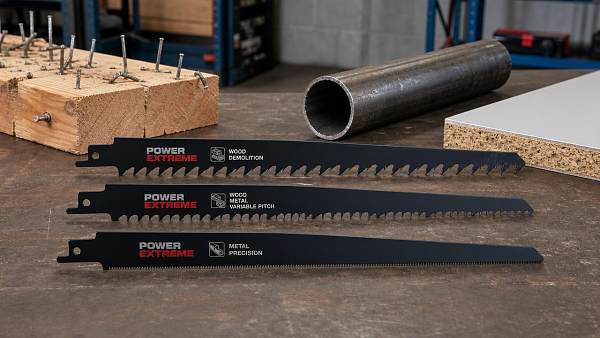
 Hand & Power ToolsReciprocating Saw Blades: Faster Demolition Starts With the Right Tooth DesignReciprocating saw blades work best when tooth design matches the job. Learn how to cut wood, metal, and mixed materials faster with better control, longer blade life, and fewer interruptions.Tooling & Hardware LeadMay 07, 2026
![]() Building HardwareStainless Steel Handrail Brackets for Coastal Projects: What to CheckStainless steel handrail brackets for coastal projects: learn what to check on grade, finish, fixings, and corrosion risk to avoid failures, ensure compliance, and choose with confidence.Tooling & Hardware LeadMay 07, 2026
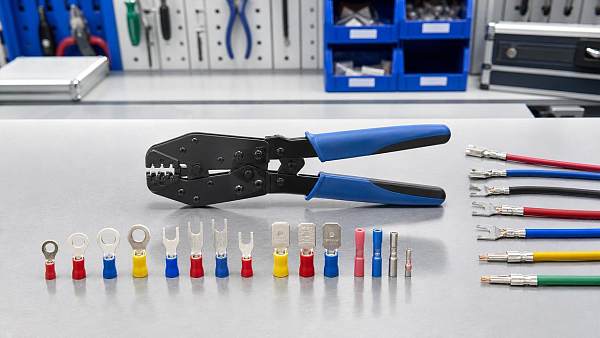
Building HardwareStainless Steel Handrail Brackets for Coastal Projects: What to CheckStainless steel handrail brackets for coastal projects: learn what to check on grade, finish, fixings, and corrosion risk to avoid failures, ensure compliance, and choose with confidence.Tooling & Hardware LeadMay 07, 2026 Hand & Power ToolsCrimping Tools Wholesale: How to Avoid Fit Issues Across TerminalsCrimping tools wholesale buyers: learn how to avoid terminal fit issues, compare key specs, and choose reliable suppliers to reduce rework, prevent failures, and improve repair consistency.Tooling & Hardware LeadMay 07, 2026
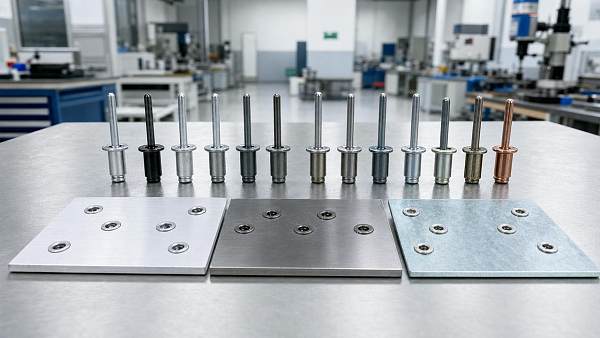
 Industrial FastenersBlind Rivets Wholesale: Material Matching Mistakes to AvoidBlind rivets wholesale buyers: avoid costly material matching mistakes. Learn how aluminum, steel, and stainless choices affect strength, corrosion, and long-term reliability.Tooling & Hardware LeadMay 07, 2026