Industry News
Curation by industry experts
Hot Articles
Popular Tags
Wholesale Glass Pool Fencing Hardware: What Fails First Outdoors
When evaluating wholesale glass pool fencing hardware for outdoor projects, quality and safety teams need to know what breaks down first under real exposure. From corrosion and seal failure to loose fittings and stress fatigue, the earliest weak points can compromise compliance, lifespan, and user safety. This guide highlights the most common outdoor failure risks and what to inspect before they become costly hazards.
Why does wholesale glass pool fencing hardware fail earlier outdoors than buyers expect?
Outdoor pool environments are harsher than many procurement teams assume. Even when glass panels remain intact, the supporting system can deteriorate much faster. Wholesale glass pool fencing hardware is exposed to a combination of chlorinated splash, salt-laden air in coastal zones, UV radiation, rainwater, dust, thermal expansion, and repeated gate movement. These factors do not attack all components equally. Instead, they usually start at interfaces: threads, welds, gasket contact points, drilled holes, anchor points, and dissimilar metal connections.
For quality control personnel and safety managers, the key issue is that early failure is rarely dramatic at first. A clamp may begin with slight tea staining, a hinge may lose alignment by a few millimeters, or a rubber insert may harden without obvious cracking. Yet those small changes can reduce clamping force, weaken self-closing performance, or create edge stress on tempered glass. In other words, the first outdoor failures are often progressive, not sudden, which is why incoming inspection and field audits matter so much.
Another reason expectations are often wrong is overreliance on material labels alone. A product described as “stainless steel” or “marine grade” is not automatically durable. Surface finish quality, passivation, casting density, machining accuracy, sealing design, and installation discipline all influence whether wholesale glass pool fencing hardware performs safely after one wet season or after many years.
What usually fails first in wholesale glass pool fencing hardware?
The first weak point depends on climate, design, and maintenance frequency, but several failure patterns appear repeatedly across outdoor installations.
1. Surface corrosion on fittings and fasteners
Corrosion usually appears before structural failure, making it one of the earliest warning signs. It often starts on fasteners, hinge springs, set screws, base plate edges, and weld seams. In low-cost wholesale glass pool fencing hardware, corrosion may be accelerated by poor polishing, contamination from carbon steel tools, or inadequate passivation after fabrication. In coastal projects, chloride exposure can trigger pitting even when the hardware looks premium at delivery.
2. Gasket, seal, and spacer degradation
Rubber and polymer parts are easy to overlook during sourcing reviews, but they often fail before the metal body. UV exposure, chlorine, and heat can cause hardening, shrinkage, or cracking. Once inserts lose elasticity, the glass may no longer be evenly supported. That increases vibration, local pressure, and movement inside clamps or spigots.
3. Gate hinge fatigue and closing mechanism drift
Pool gate hardware sees the highest cycle loading. Springs lose consistency, hydraulic elements weaken, and alignment shifts under repeated movement. For safety management, this is critical because many codes depend on a self-closing, self-latching gate. A gate that closes slowly, sticks at partial opening, or needs manual force may already be non-compliant even before any visible breakage occurs.
4. Loosening at anchors and threaded joints
Thermal movement, vibration, and poor torque control can loosen mounting hardware over time. This is especially common where installers use incompatible anchors for concrete quality, fail to isolate dissimilar metals, or do not recheck torque after initial settlement. For wholesale glass pool fencing hardware used on exposed decks, even slight movement at the base can shift glass loads and reduce perceived stability.
5. Stress concentration around glass contact points
The hardware may not “break” first in the usual sense, but poor contact geometry can create a failure chain. Sharp edges, uneven gasket compression, misaligned holes, or over-tightening may transfer concentrated loads into the glass. For QC teams, this is a design and assembly issue as much as a material issue. If the hardware does not control stress properly, the whole barrier system becomes vulnerable.
How can quality and safety teams spot early-risk hardware before installation?
The best time to detect outdoor failure risk is before the product reaches the jobsite. Procurement should not rely only on certificates or polished catalog images. A practical review of wholesale glass pool fencing hardware should combine document checks, sample inspection, and function testing.
In practice, QC personnel should request not only static specifications but also evidence of environmental and cycle testing. Salt spray data alone is helpful but incomplete. Ask how the product performs after combined exposure: wet-dry cycling, UV aging for polymer parts, repeated gate operation, and torque retention after installation simulation. For safety managers, the most useful question is simple: what is the first function that degrades, and how quickly does that affect barrier integrity?
Which components deserve the closest attention in coastal, humid, or high-use pool projects?
Not every project puts equal stress on every part. In inland residential settings, gasket aging and hinge wear may appear before severe corrosion. In luxury coastal developments, corrosion resistance becomes the top concern. In hotels, clubs, and public facilities, gates and latches often wear out first because of traffic intensity.
For coastal installations, wholesale glass pool fencing hardware should be reviewed with special focus on pitting resistance, enclosed areas where salt can accumulate, and hidden fasteners that are difficult to rinse or inspect. Tea staining may begin as a cosmetic issue, but if ignored, it can obscure deeper pitting. Components with crevices, rough welds, or water-trapping geometry should be flagged early.
For humid inland projects, hidden moisture retention is the main enemy. Drainage around spigots, post caps, and base covers matters more than many buyers realize. Water held inside decorative covers or under seals can accelerate local attack and undermine anchors. A design that looks clean architecturally may still be a maintenance problem if it traps moisture.
For high-use commercial environments, the gate set is the safety-critical assembly. Hinges, latch bodies, strike plates, and adjustment screws should be reviewed as a system, not as isolated parts. Wholesale glass pool fencing hardware can pass visual inspection but still fail operationally if closing force drifts or latch alignment becomes unstable after repeated use.
What are the most common sourcing mistakes when buying wholesale glass pool fencing hardware?
One common mistake is focusing on polished appearance and unit price instead of long-term exposure performance. Mirror finishes can hide shallow defects at first inspection. Buyers may also assume that heavier hardware is automatically better, when poor internal casting quality or weak spring design can still shorten service life.
A second mistake is treating all stainless steel as equivalent. For outdoor pool conditions, differences in alloy composition, fabrication cleanliness, and finishing process are decisive. Quality teams should verify actual grade consistency across clamps, screws, covers, and internal hinge parts. Mixed-quality assemblies are a frequent source of premature failure.
A third mistake is neglecting installation sensitivity. Even well-made wholesale glass pool fencing hardware can fail early if torque values are not controlled, glass tolerances are not respected, or anchors are mismatched to substrate conditions. Safety managers should therefore review installation manuals as part of product approval, not after purchase.
Another sourcing error is requesting compliance paperwork without asking how compliance was achieved. Was the test done on the exact hardware configuration, or on a similar design? Were gaskets, fasteners, and anchors included in the tested assembly? Was the gate tested after cycling? These details matter because barrier safety depends on system behavior, not isolated component claims.
How should teams compare lower-cost and premium wholesale glass pool fencing hardware?
A fair comparison should move beyond invoice price and evaluate failure timing, maintenance burden, and compliance risk. Lower-cost hardware may be acceptable in low-exposure settings if the supplier offers consistent traceability, sound fabrication, and proven cycle performance. Premium hardware becomes more defensible when exposure is severe, replacement access is difficult, or public safety risk is high.
For procurement teams working with Global Supply Review style sourcing standards, the best decision framework is risk-based. Ask where the project sits on the exposure, safety, and maintenance spectrum. If hardware failure would create regulatory exposure, child-safety concern, reputational damage, or expensive access work, then cheaper purchasing can become the more expensive outcome.
What ongoing checks should safety managers require after installation?
Post-installation inspection is where many organizations fall short. Wholesale glass pool fencing hardware should enter a documented maintenance schedule, especially at gates and base-mounted fittings. Safety managers should monitor self-closing speed, latch engagement, fastener tightness, visible corrosion, gasket displacement, and glass movement under light manual load.
Cleaning procedures also matter. Harsh cleaners, abrasive pads, and neglected salt deposits can shorten hardware life dramatically. Staff should know which cleaning agents are compatible with stainless steel and polymer inserts, and they should be trained to report small functional changes rather than waiting for obvious defects.
If a gate begins to close inconsistently, if rust-colored staining appears near threads or seams, or if clamp inserts show compression loss, those are not minor cosmetic issues. They are early indicators that wholesale glass pool fencing hardware may be entering a failure path that affects barrier safety. Acting at this stage is far less costly than replacing broken assemblies or managing an incident.
What should you confirm first before placing an order or approving a supplier?
Before approving wholesale glass pool fencing hardware, quality and safety teams should align on five practical questions. First, what exact outdoor exposure will the hardware face: coastal salt, chlorinated splash, high humidity, or heavy public use? Second, which components are most likely to degrade first in that setting: hinges, fasteners, gaskets, anchors, or latches? Third, what evidence supports the supplier’s durability claims beyond brochures: traceability, test reports, sample audits, and cycle data? Fourth, how installation-sensitive is the system, and can installers realistically meet those requirements on site? Fifth, what is the maintenance and inspection plan after handover?
These questions help teams move from a simple price comparison to a safety-centered sourcing decision. For organizations reviewing multiple global suppliers, this is exactly where a disciplined B2B intelligence approach adds value: comparing not just products, but reliability signals, manufacturing control, and real-world performance credibility.
If you need to confirm a specific solution, specification, sourcing direction, lead time, quotation structure, or cooperation model, start by discussing environment class, hardware grade consistency, gate cycle expectations, compliance documentation, replacement part availability, and the inspection checkpoints your team will use before and after installation.
Recommended News
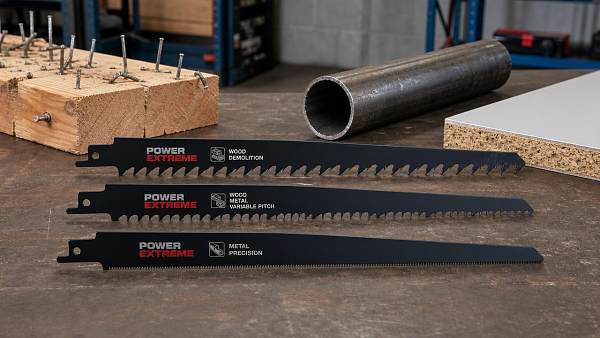
 Hand & Power ToolsReciprocating Saw Blades: Faster Demolition Starts With the Right Tooth DesignReciprocating saw blades work best when tooth design matches the job. Learn how to cut wood, metal, and mixed materials faster with better control, longer blade life, and fewer interruptions.Tooling & Hardware LeadMay 07, 2026
![]() Building HardwareStainless Steel Handrail Brackets for Coastal Projects: What to CheckStainless steel handrail brackets for coastal projects: learn what to check on grade, finish, fixings, and corrosion risk to avoid failures, ensure compliance, and choose with confidence.Tooling & Hardware LeadMay 07, 2026
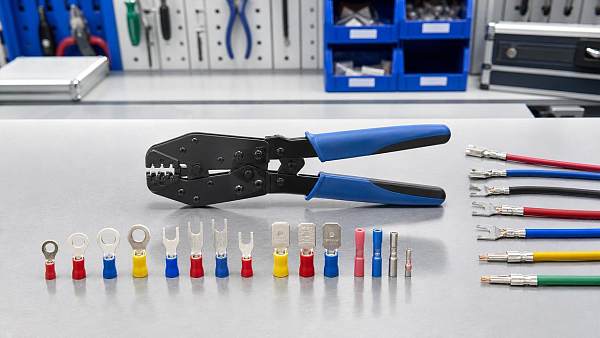
Building HardwareStainless Steel Handrail Brackets for Coastal Projects: What to CheckStainless steel handrail brackets for coastal projects: learn what to check on grade, finish, fixings, and corrosion risk to avoid failures, ensure compliance, and choose with confidence.Tooling & Hardware LeadMay 07, 2026 Hand & Power ToolsCrimping Tools Wholesale: How to Avoid Fit Issues Across TerminalsCrimping tools wholesale buyers: learn how to avoid terminal fit issues, compare key specs, and choose reliable suppliers to reduce rework, prevent failures, and improve repair consistency.Tooling & Hardware LeadMay 07, 2026
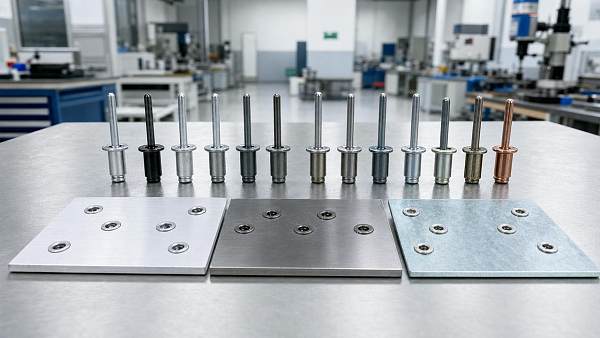
 Industrial FastenersBlind Rivets Wholesale: Material Matching Mistakes to AvoidBlind rivets wholesale buyers: avoid costly material matching mistakes. Learn how aluminum, steel, and stainless choices affect strength, corrosion, and long-term reliability.Tooling & Hardware LeadMay 07, 2026