Industry News
Curation by industry experts
Hot Articles
Popular Tags
China Removes 'Paper Product Manufacturing' from EIA Classification, Exempts Low-VOCs Laser Printing Lines to Boost Export Packaging Expansion
Introduction
Starting March 2026, China's revised Construction Project Environmental Impact Assessment (EIA) Classification Management Catalog will remove 'paper product manufacturing' entirely from the EIA list. New or upgraded laser printing projects using low-VOCs inks (annual consumption <10 tons) are exempt from EIA (with testing reports retained). This policy significantly accelerates the deployment of customized production lines for overseas clients, enhancing Chinese packaging factories' ability to handle urgent orders, small batches, and green production upgrades. Export-oriented packaging manufacturers, printing service providers, and global buyers relying on Chinese supply chains should closely monitor these changes.

Event Overview
On March 1, 2026, China's Ministry of Ecology and Environment released the draft revision of the EIA Classification Management Catalog. Key confirmed changes include:
- Complete removal of 'paper product manufacturing' (including packaging, printing, and paper container sectors) from mandatory EIA categories.
- Exemption for laser printing projects using low-VOCs inks (annual usage under 10 tons), requiring only retained emission test reports instead of full EIA approvals.
- No retroactive requirements for existing qualified production lines.
Impact on Sub-Sectors
1. Export Packaging Manufacturers
Direct beneficiaries include factories producing customized packaging for overseas brands (e.g., cosmetics, electronics). Previously, EIA approvals delayed new production line setups by 3-6 months. The exemption allows:
- Faster response to time-sensitive orders (e.g., seasonal promotions).
- Lower compliance costs for small-batch, high-mix production.
2. Printing Technology Suppliers
Suppliers of low-VOCs laser printing equipment and inks gain competitive edges. Analysis shows:
- Increased demand for modular, upgradable printing systems to align with exemption thresholds.
- Opportunities to replace solvent-based legacy systems in SMEs.
3. Global Procurement Teams
International buyers sourcing from China should note:
- Shorter lead times (20-30% reduction estimated) for packaging samples and pilot runs.
- Stronger negotiation leverage to request greener production without cost premiums.
Key Focus Areas and Actions
1. Verify Local Implementation Rules
While the national policy is clear, provincial-level interpretations may vary. Factories should:
- Confirm with local bureaus whether low-VOCs ink exemptions apply to specific sub-processes (e.g., lamination).
- Document ink consumption tracking systems to prove compliance.
2. Reassess Equipment Upgrade Timelines
For manufacturers planning mid-term upgrades:
- Prioritize laser printing units with ≤9.5-ton annual ink capacity to maintain exemption eligibility.
- Consider phased retrofits to avoid triggering cumulative EIA thresholds.
3. Update Sustainability Communications
Export-oriented factories should:
- Highlight 'EIA-exempt green production' in marketing materials for EU/US eco-conscious buyers.
- Prepare third-party test reports for low-VOCs inks as audit-ready documentation.
Editorial Perspective
From an industry viewpoint, this policy reflects two strategic shifts:
- Precision Deregulation: Targeting low-risk segments (laser printing) while retaining scrutiny for high-emission processes.
- Export Competitiveness: Aligning environmental compliance with global buyers' just-in-time expectations.
However, this is not a blanket green light. Factories must still monitor:
- Potential future adjustments to the 10-ton ink threshold.
- Parallel safety regulations (e.g., fire codes for ink storage).
Conclusion
This revision streamlines regulatory processes for China's packaging export engine, particularly benefiting agile suppliers serving niche markets. While operational flexibility improves, responsible ink usage tracking and transparent reporting remain critical to sustain policy advantages. The move signals China's balancing act between environmental governance and manufacturing efficiency in key export sectors.
Sources
- Draft Revision of Construction Project EIA Classification Management Catalog (MEE, 2026-03-01)
- Note: Local implementation guidelines are pending as of publication.
Recommended News
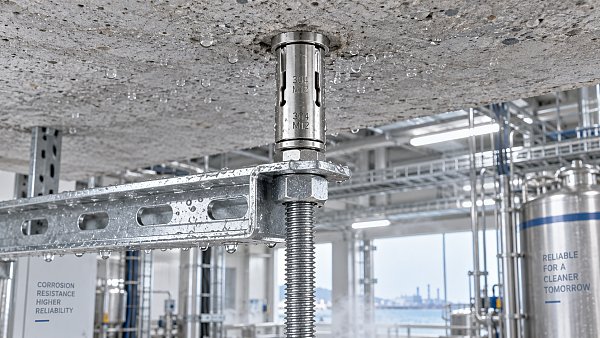
 Industrial FastenersWhen do zinc drop in anchors need corrosion-resistant coatings?Zinc drop in anchors need corrosion-resistant coatings in damp, outdoor, chloride-rich, or chemical environments. Learn how to select durable, approved protection.Tooling & Hardware LeadSep 29, 2026
 Carton & PlasticsHow to assess seam quality in 250ml aluminum beverage cansLearn how to assess seam quality in 250ml aluminum beverage cans with practical visual checks, precise measurements, teardown methods, and defect-control guidance.Packaging Supply ExpertSep 28, 2026
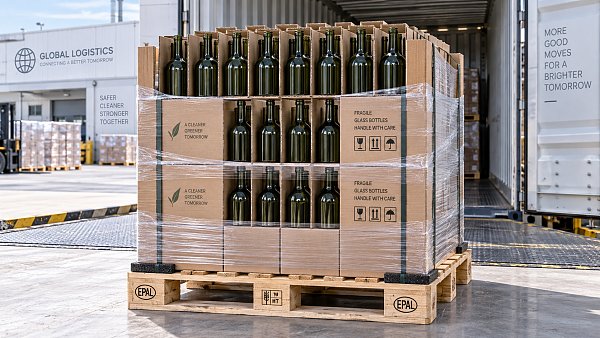
 Carton & PlasticsWhat drives breakage rates in bulk wine bottles wholesale orders?Bulk wine bottles wholesale buyers: discover what drives breakage rates, from glass quality and packaging to pallet loading, and reduce costly claims.Packaging Supply ExpertSep 27, 2026
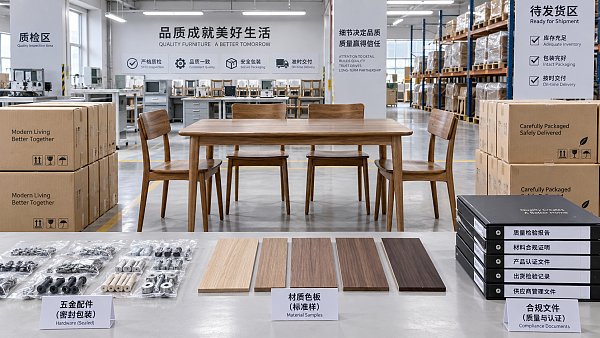
 Office FurnitureHow supplier scorecards reduce risk in furniture procurementFurniture procurement supplier management becomes more resilient with supplier scorecards that track quality, delivery, compliance, and corrective actions. Learn how to reduce sourcing risk.Interior Sourcing LeadSep 26, 2026