Industry News
Curation by industry experts
Hot Articles
Popular Tags
How to Choose a Custom Decor Vendor for Small-Batch Projects
Selecting a custom decor vendor for a small-batch project is rarely a simple price comparison. In furniture and decor sourcing, limited runs often carry tighter deadlines, more design revisions, and less room for production waste. The right supplier supports flexibility without sacrificing finish quality, compliance, or delivery control, which is why this decision matters across retail launches, hospitality fit-outs, branded environments, and seasonal programs.
That challenge has become more visible as procurement standards rise. Buyers now expect traceable materials, realistic MOQs, responsive sampling, and stable communication across fragmented supply chains. For platforms such as Global Supply Review, which tracks light manufacturing sectors through an editorial lens grounded in sourcing intelligence, the most useful vendor evaluation is practical: who can execute a custom brief well, at small volume, with manageable risk?
Why small-batch custom decor needs a different sourcing approach
A small-batch order behaves differently from mass production. Tooling costs, setup time, artisan labor, and packaging adjustments weigh more heavily on unit economics.
This is where an experienced custom decor vendor stands out. The best partner understands that small-batch work is not simply a reduced version of bulk manufacturing.
In practice, low-volume decor projects may involve mixed materials, frequent color approvals, custom finishes, protective packing, and destination-specific labeling. A vendor built for standard, repetitive runs may struggle with these variables.
More importantly, small-batch projects usually support business moments that are time-sensitive. A delayed display item, tabletop collection, wall piece, or decorative fixture can disrupt a broader launch.
What a capable custom decor vendor should really offer
A reliable custom decor vendor is not defined only by catalog variety. Capability should be judged by how well the supplier converts design intent into repeatable output.
Core operational signals
- Low or negotiable minimum order quantities that match pilot runs or test markets.
- Sampling processes that include material confirmation, finish review, and packaging checks.
- Production planning that separates prototype timing from final lead time.
- Clear quality standards for hand-finished, assembled, or mixed-material decor pieces.
- Export readiness, including carton marking, drop-test awareness, and compliance paperwork.
These factors matter because decorative items often fail at the edges of execution. The design may be right, yet the coating chips, the weld is visible, the veneer tone shifts, or inner packaging proves inadequate.
Commercial signals that reduce hidden risk
A strong custom decor vendor should also be commercially transparent. That means quoting structure, revision policy, defect handling, and replenishment terms are discussed early.
For small-batch projects, hidden costs often come from mold tweaks, finish changes, repacking, split shipments, and manual rework. If the quote looks simple but excludes these variables, the apparent savings may disappear.
The evaluation criteria that deserve the closest attention
When comparing suppliers, it helps to score them on a few dimensions that reflect actual project pressure rather than generic supplier marketing.
A useful test is to compare how each custom decor vendor answers the same technical brief. Strong suppliers ask clarifying questions. Weak ones move too quickly to quotation.
Where projects usually succeed or fail
Most failures in custom decor sourcing are not dramatic. They come from small mismatches between design expectations and factory assumptions.
Frequent pressure points
- The approved sample is handcrafted, but the batch requires semi-standardized production.
- The finish reference is visual only, with no measurable tolerance.
- Packaging is treated as secondary, even though breakage risk is high.
- The vendor accepts the order but outsources key steps without control.
- Replenishment is needed later, yet the original materials are no longer available.
An experienced custom decor vendor helps surface these issues before purchase order release. That early discussion often matters more than a small difference in quoted price.
This is also why market intelligence matters. Sector-specific sourcing research, especially across furniture, displays, packaging, and materials, makes it easier to benchmark whether a vendor promise is realistic.
How to assess fit across different project scenarios
Not every supplier is suited to every use case. The best custom decor vendor for a boutique retail concept may be the wrong choice for a hospitality rollout.
Typical sourcing scenarios
For seasonal retail decor, speed and visual consistency usually come first. The supplier must handle repeatable color and safe transit packaging.
For hospitality or commercial interiors, durability, fire-related requirements, and installation practicality may carry more weight than decorative complexity.
For gifting, promotional environments, or branded display accessories, packaging presentation and low-volume personalization become central evaluation points.
For market-entry collections, the vendor should support learning. That means manageable MOQs, transparent revisions, and room to adjust the assortment after first feedback.
Questions worth asking before final selection
Shortlisting a custom decor vendor becomes easier when the conversation moves beyond broad capability claims.
- Which processes are handled in-house, and which are subcontracted?
- What changes between sample approval and production scaling?
- How are finish tolerances documented and signed off?
- What is the actual defect response process for a small batch?
- Can the same item be reordered six months later with acceptable consistency?
- What ESG or material traceability evidence is available if required?
These questions reveal maturity quickly. A dependable custom decor vendor can explain process limits without evasive answers and can document where risk still exists.
Building a smarter next step
The strongest sourcing decisions usually begin with a tighter brief, not a larger supplier list. Define the non-negotiables first: target quantity, finish standard, packaging needs, compliance expectations, and delivery milestone.
Then compare each custom decor vendor against those conditions using samples, technical responses, and total execution risk. A vendor that is slightly higher in cost may still be the lower-cost option once delays, damage, and rework are considered.
For teams using market intelligence platforms such as GSR, the advantage lies in combining supplier conversations with broader category insight. That context helps separate attractive quotations from sustainable sourcing decisions.
If the next project is still being scoped, start by ranking what matters most in the order: flexibility, appearance, compliance, lead time, or replenishment potential. That single step makes it much easier to identify the right custom decor vendor before the project becomes harder to recover.
Recommended News
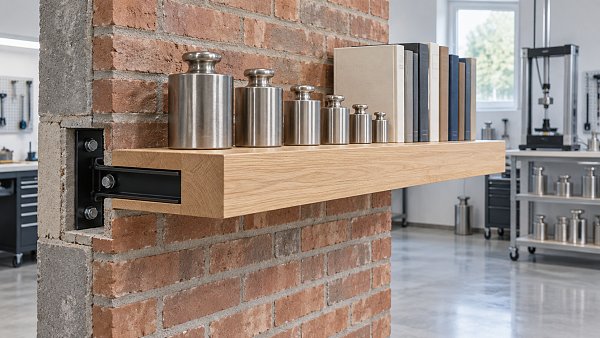
 Home DecorHow to compare floating wall shelves suppliers for consistent load capacityFloating wall shelves supplier comparison guide: evaluate load capacity, brackets, wall fixings, testing, and production consistency before you buy.Interior Sourcing LeadSep 23, 2026
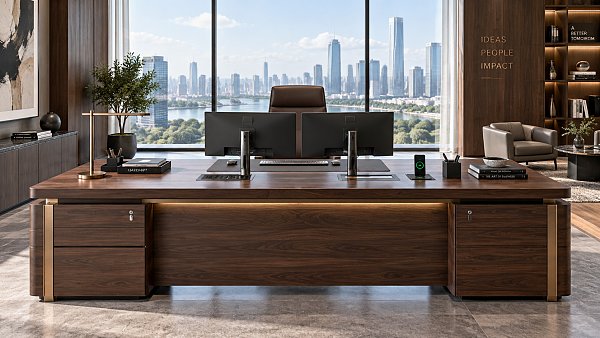
 Office FurnitureWhen does a custom executive office desk justify its higher cost?Discover when a custom executive office desk is worth the investment—from tailored layouts and integrated technology to durable materials and long-term value.Interior Sourcing LeadSep 22, 2026
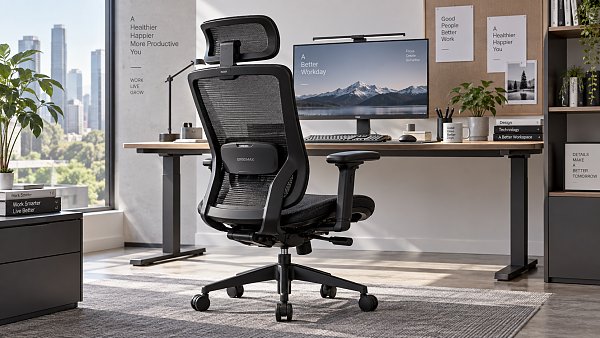
 Office FurnitureWhich high back ergonomic office chairs fit all-day desk work?High back ergonomic office chairs for all-day desk work: compare lumbar support, seat depth, armrests, recline, and materials to find a better fit.Interior Sourcing LeadSep 21, 2026
 Commercial LEDWhen does a 200W linear high bay provide enough light for a warehouse?Discover when a 200W linear high bay delivers sufficient warehouse lighting, with practical guidance on lumens, mounting height, aisle layout, and uniformity.Commercial Tech EditorSep 20, 2026