Industry News
Curation by industry experts
Hot Articles
Popular Tags
Wuxi Expo Puts Smart Bridal Displays in Export Focus
On June 23, 2026, the 12th Yangtze River Delta International Cross-Border Industry Expo opened in Wuxi with a first-time Smart Wedding Display Zone, bringing bridal retail technology into clearer export focus. For wedding equipment suppliers, cross-border traders, compliance teams, and overseas integrators, the development is worth watching because it links display hardware, certification readiness, and actual export intent orders in the same event setting.
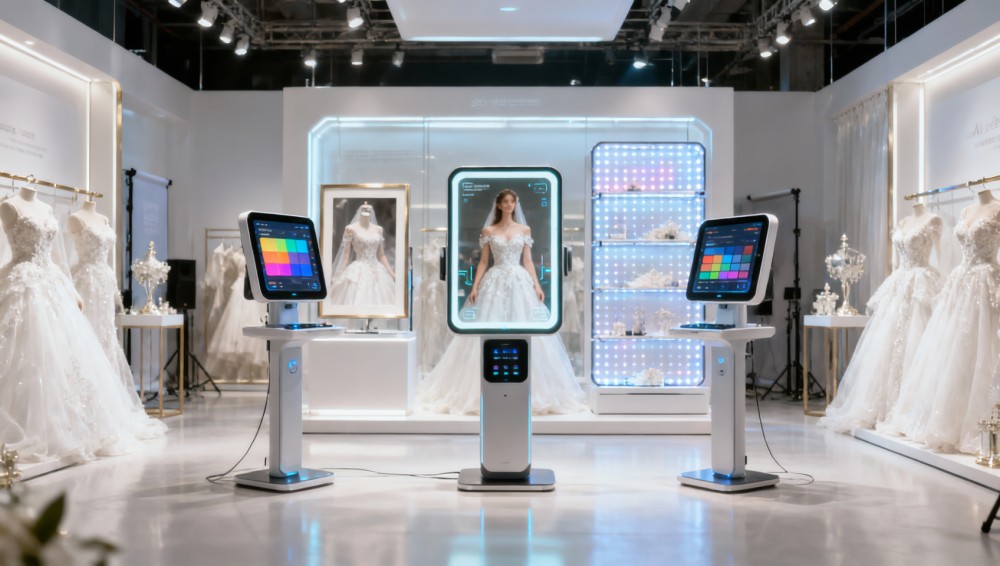
What the Wuxi exhibition floor showed
The new Smart Wedding Display Zone was introduced at the expo and featured AR wedding dress fitting mirrors, AI bridal color calibration screens, modular LED wedding display racks, and IoT temperature and humidity sensing photo frames. More than 73 Chinese exhibitors took part, and 42 of them had already obtained UL62368-1, CE-RED, and Saudi SASO certification. At the event, intended export orders reached US$210 million, with the main destinations identified as wedding industry integrators in the Middle East, Southeast Asia, and Latin America.
Why this matters across the trade chain
For exporters, product categories are becoming more system-oriented
From an industry perspective, this event suggests that bridal exports are not limited to garments or decorative fixtures alone. The equipment on display points to bundled demand around fitting, presentation, environmental monitoring, and in-store visualization. That may affect how exporters organize product portfolios, quotations, and communication with overseas buyers.
For manufacturers, compliance is moving closer to the sales conversation
Analysis shows that certification was not a peripheral detail in this case. The fact that 42 exhibitors were identified as having UL62368-1, CE-RED, and Saudi SASO certification indicates that market access preparation is closely tied to export opportunity, especially for destinations such as the Middle East and other regulated import markets. The impact is likely to be felt in product design, documentation, and pre-shipment readiness.
For overseas integrators and channel partners, standardized hardware may gain weight
Observably, the intended orders were mainly directed to wedding integrators in the Middle East, Southeast Asia, and Latin America. That points to demand not only for standalone devices but also for display solutions that can be incorporated into broader wedding retail or event setups. Buyers and channel partners may therefore pay closer attention to interoperability, installation requirements, and consistency across multiple hardware types.
What companies should watch next
Track how certification status affects conversion
What deserves closer attention is whether certified suppliers continue to convert interest into actual orders more efficiently than non-certified peers. For companies already targeting overseas markets, certification files, product test records, and market-specific documentation are becoming practical sales tools rather than only compliance materials.
Focus on destination-market requirements in parallel with product promotion
The announced order flow toward the Middle East, Southeast Asia, and Latin America means suppliers should not treat overseas demand as uniform. In practical terms, customer communication, documentation preparation, and delivery planning may need to be organized by destination market rather than by product line alone.
Prepare for solution-based procurement discussions
The mix of AR mirrors, calibration screens, LED display racks, and sensor-equipped frames indicates that procurement conversations may increasingly revolve around combinations of devices. Exporters, factories, and service providers should pay attention to how they present compatibility, lead times, packaging, and after-sales coordination when buyers request more than a single hardware item.
Separate exhibition momentum from confirmed execution
Analysis shows that intended export orders are a strong commercial signal, but they are not the same as completed shipment performance. Companies should therefore keep follow-up processes disciplined, especially around contract terms, product specifications, compliance paperwork, and delivery schedules.
How this signal should be read now
In editorial observation, this news is better understood as a meaningful market signal rather than a fully settled industry outcome. The combination of a dedicated zone, visible certification progress, and sizable intended orders suggests that smart bridal display equipment is gaining export attention. At the same time, the current information does not by itself prove long-term demand stability, repeat ordering patterns, or broad adoption across all wedding markets.
A measured reading of the opportunity
At this stage, it is more appropriate to understand the Wuxi expo development as evidence that smart bridal display equipment is moving from a niche showcase category toward more structured cross-border demand. The strongest takeaway is not that the market has already matured, but that exporters, manufacturers, and overseas integrators now have clearer reason to evaluate this segment with greater operational and compliance discipline.
Basis of this report
This article is generated from the user-provided news title, event date, and event summary. For this type of industry update, relevant source categories typically include official event announcements, company statements, industry association releases, authoritative media coverage, and standards organization documents. A specific official source link was not provided in the input, so further verification remains necessary. Areas for continued tracking include whether intended orders convert into executed exports, whether certification coverage expands further, and how demand develops across the Middle East, Southeast Asia, and Latin America.
Recommended News
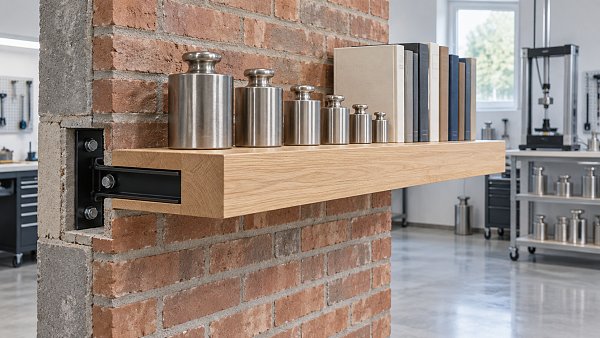
 Home DecorHow to compare floating wall shelves suppliers for consistent load capacityFloating wall shelves supplier comparison guide: evaluate load capacity, brackets, wall fixings, testing, and production consistency before you buy.Interior Sourcing LeadSep 23, 2026
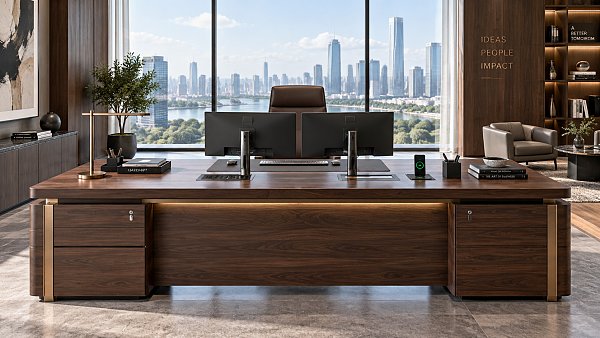
 Office FurnitureWhen does a custom executive office desk justify its higher cost?Discover when a custom executive office desk is worth the investment—from tailored layouts and integrated technology to durable materials and long-term value.Interior Sourcing LeadSep 22, 2026
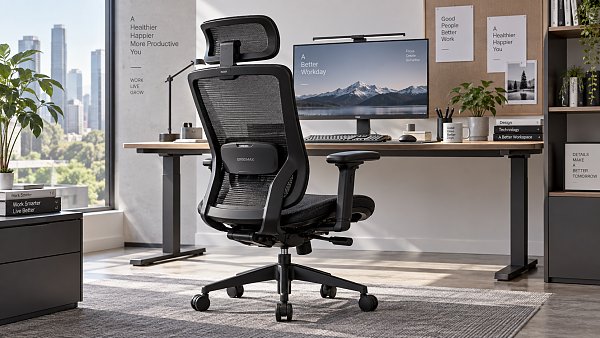
 Office FurnitureWhich high back ergonomic office chairs fit all-day desk work?High back ergonomic office chairs for all-day desk work: compare lumbar support, seat depth, armrests, recline, and materials to find a better fit.Interior Sourcing LeadSep 21, 2026
 Commercial LEDWhen does a 200W linear high bay provide enough light for a warehouse?Discover when a 200W linear high bay delivers sufficient warehouse lighting, with practical guidance on lumens, mounting height, aisle layout, and uniformity.Commercial Tech EditorSep 20, 2026