Industry News
Curation by industry experts
Hot Articles
Popular Tags
RCEP Update Opens Zero Tariff for Wedding Photo Props
From June 1, 2026, the revised Implementation Rules for China-ASEAN RCEP Rules of Origin officially take effect, adding a new subheading for wedding photography props under HS 9505.90.90. Under the disclosed rule, products in this category produced in China and meeting a regional value content threshold of at least 40% can enjoy zero-tariff treatment across the ten ASEAN member states. For businesses involved in wedding photography props, decorative export goods, and related supply-chain services, this is worth close attention because it directly affects the tariff status of several higher-value prop categories, including backdrops, antique-style furniture, and metal picture frames.

Event Overview
According to the released information, the Implementation Rules for China-ASEAN RCEP Rules of Origin (2026 Revision) will formally come into force on June 1, 2026. The revision adds a specific subheading for “wedding photography props” under HS 9505.90.90 and clarifies that such products, when produced in China and meeting a regional value content of no less than 40%, are eligible for zero-tariff treatment in all ten ASEAN countries.
The publicly confirmed scope of this revision covers higher-value prop categories such as backdrops, antique-style furniture, and metal picture frames. At the current stage, this is the key confirmed policy information available and the direct basis for business assessment.
Which Industry Segments Are Affected
Direct export traders of wedding photography props
These companies are affected first because the revision directly concerns the tariff treatment of export goods within a newly clarified product category. The impact is mainly reflected in product classification certainty, tariff eligibility assessment, and quote preparation for ASEAN markets. Analysis shows that traders handling backdrop systems, vintage-style display props, or framed decorative items will need to review whether their current export catalogs align with the newly added subheading and whether their shipments can be structured to meet the disclosed origin requirement.
Prop manufacturers and processing enterprises in China
Manufacturers are directly concerned because the rule links zero-tariff treatment to production in China and a regional value content threshold of at least 40%. From an industry perspective, the practical impact is not only at the sales end but also in production organization, bill-of-materials review, and internal origin compliance preparation. Enterprises producing background cloths, antique-style furniture pieces, and metal frames may need to reassess whether current manufacturing arrangements support origin qualification under the revised rule.
Raw material and component sourcing businesses
Suppliers of materials and parts connected to these props may also see an indirect impact. The reason is that regional value content is now a key condition for preferential treatment. Observably, sourcing decisions may become more closely tied to origin calculation needs, especially for goods with relatively high unit value. The effect is mainly reflected in procurement coordination, supplier documentation, and the commercial importance of inputs that support compliance with the 40% threshold.
Distribution channels serving ASEAN buyers
Distributors, project-based importers, and commercial intermediaries serving ASEAN markets are affected because tariff treatment changes can influence product selection, landed-cost discussions, and contract timing. Current attention should focus more on whether buyers begin to differentiate between qualifying and non-qualifying wedding photography props. This may not immediately change all orders, but it can affect negotiations, assortment planning, and margin expectations in transactions involving higher-value decorative props.
Supply-chain and trade compliance service providers
Freight forwarders, customs brokers, documentation service firms, and trade compliance teams are also part of the affected chain. They are impacted because the new subheading and the clarified origin threshold increase the importance of classification accuracy and origin documentation. Analysis shows that their role may become more operationally significant in helping exporters distinguish between policy eligibility and actual customs application in shipment-level execution.
What Companies and Practitioners Should Watch and How to Respond Now
Review product classification against the newly added subheading
Companies exporting wedding photography props should first identify which SKUs may fall under HS 9505.90.90 as referenced in the disclosed revision. This is especially relevant for backdrops, antique-style furniture, and metal picture frames already mentioned in the public summary. A practical first step is to compare current export item descriptions, internal product naming, and customs declarations to reduce the risk of mismatch between commercial use and tariff classification.
Check whether origin qualification can be supported in practice
The published rule does not grant zero tariffs automatically to all related exports; it specifies production in China and a regional value content threshold of at least 40%. More appropriately understood, the commercial opportunity depends on whether enterprises can substantiate compliance in actual transactions. Businesses should therefore review sourcing structures, production stages, and documentation readiness connected to the relevant product lines.
Separate policy signal from shipment-level execution
Current attention should focus more on the difference between a favorable rule and actual customs use in business operations. Even where a product appears to fit the announced category, companies still need to ensure that product classification, origin calculation, and supporting documentation can work together at the order level. This matters particularly for exporters managing mixed product portfolios rather than single-category shipments.
Prepare ASEAN-side communication and internal coordination early
From an industry perspective, the immediate response is not aggressive expansion but structured coordination. Export teams, production departments, procurement staff, and overseas customers should align on which products may qualify, what documentation may be needed, and when the June 1, 2026 implementation date affects quoting or shipping schedules. For businesses already serving ASEAN buyers, early communication may help avoid confusion between eligible prop categories and adjacent decorative goods that may not fall within the same treatment.
Editorial View / Industry Observation
Observably, this revision matters less as a broad symbolic statement and more as a targeted operational clarification for a niche but commercially specific export category. By adding a dedicated subheading for wedding photography props and linking it to a clear origin threshold, the rule gives affected businesses a more concrete basis for evaluating ASEAN market access conditions.
Analysis shows that this should not yet be treated as an automatic business result in itself. It is better understood as a policy signal with direct commercial relevance, but one that still depends on classification accuracy, origin compliance, and transaction-level execution. For that reason, the industry should continue watching how enterprises translate the rule into actual export processes rather than assuming that tariff preference alone will immediately reshape demand.
Conclusion
The June 1, 2026 revision to the China-ASEAN RCEP rules of origin is significant because it gives clearer tariff treatment to wedding photography props exported from China to ASEAN, including several higher-value categories already identified in the public summary. For exporters, manufacturers, sourcing teams, and trade service providers, the key issue is not only the announcement itself but whether products can genuinely meet the stated origin requirements in practice.
From an industry perspective, the most reasonable reading at this stage is that the revision creates a clearer and potentially favorable trade framework for eligible goods, while the real business effect will depend on how companies classify products, organize sourcing, and prepare origin support after the rule takes effect.
Information Sources
Main source: the provided event information regarding the Implementation Rules for China-ASEAN RCEP Rules of Origin (2026 Revision), including the effective date of June 1, 2026, the addition of the wedding photography props subheading under HS 9505.90.90, the requirement of production in China with regional value content of at least 40%, and the stated coverage of backdrops, antique-style furniture, and metal picture frames.
Items requiring continued observation: any subsequent official wording, implementation guidance, or customs application details beyond the information currently disclosed in the event summary.
Recommended News
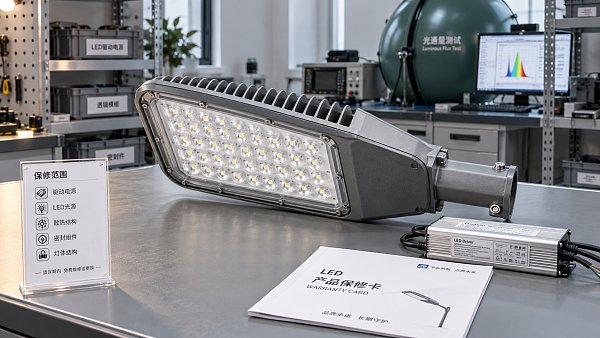
 Commercial LEDHow to assess an LED street light exporter’s warranty coverageAssess an led street lights exporter beyond warranty length. Learn how to verify coverage, uncover hidden costs, and negotiate stronger terms before you buy.Commercial Tech EditorOct 17, 2026
 Carton & PlasticsWhen should you heat seal aluminum foil zipper bags for food storage?When should you heat seal aluminum foil zipper bags? Learn when stronger closures matter, how to protect dry foods, and which sealing checks help ensure reliable storage.Packaging Supply ExpertOct 16, 2026
 Supply Chain InsightsHow to find a custom-printed ring-pull can supplier for small ordersFind a custom printed ring pull cans supplier for small orders. Compare MOQs, printing options, samples, and delivered costs to launch confidently without excess inventory.Oct 15, 2026
 Fabrics & YarnsWhich Sustainable Fabrics Are Most Accepted by EU Apparel Brands?Which sustainable fabrics are most accepted by EU apparel brands? Explore top materials, certification requirements, and sourcing tips to build a buyer-ready fabric shortlist.Textile Industry AnalystOct 14, 2026