Industry News
Curation by industry experts
Hot Articles
Popular Tags
Which decor exhibition in the USA best fits a home decor sourcing trip?
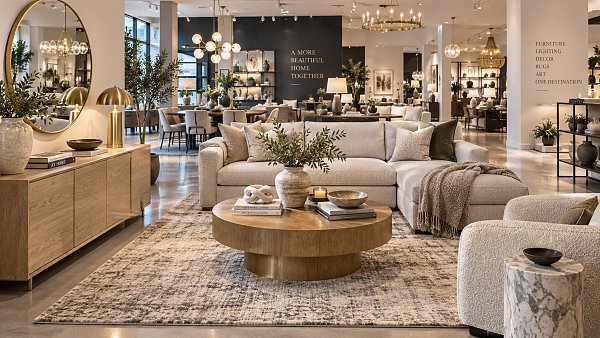
For a broad home decor sourcing trip, High Point Market is usually the strongest single choice. Its scale and category range make it particularly useful when the trip needs to cover furniture, lighting, rugs, wall decor, accessories, upholstery, and indoor-outdoor collections in one itinerary. That conclusion changes when the brief is narrow: Las Vegas Market is often more efficient for gift-oriented decor and smaller retailers, while NY NOW is stronger for curated design objects, artisan-led assortments, tabletop, and lifestyle merchandise. HD Expo + Conference is the better fit when the specification is hospitality interiors rather than residential retail.
The best decor exhibition USA option is therefore defined by the assortment being sourced, the supply relationship required, and the stage of product selection. A showroom-heavy market can reveal complete room stories and finished collections, but it may be less efficient for comparing component construction. A design-led event can identify differentiated merchandise, yet may offer limited evidence of repeatable volume production. The event should match the decisions that must be made during the trip, rather than simply offer the highest exhibitor count.
High Point Market: Best for Full-Category Home Furnishings and Decor
High Point Market is the most practical starting point when the sourcing scope includes case goods, upholstered furniture, accent seating, lamps, mirrors, decorative accessories, rugs, and occasional tables. The market format allows collection-level comparison: a visitor can see how a supplier coordinates finishes, silhouettes, textiles, hardware, and accessory groups across a room setting. That is valuable when the objective is a coherent assortment rather than isolated products.
It is especially suitable when furniture is the commercial anchor and decor must support it. An accent pillow, ceramic vase, side table, or table lamp can look appropriate in an individual booth but fail beside the target furniture program because of scale, undertone, or finish quality. High Point makes those conflicts easier to detect. A warm gray upholstery fabric can turn visibly green next to a weathered oak finish; brushed brass lighting can conflict with a cooler champagne-metal hardware program; oversized decor may overwhelm compact apartment-oriented furniture even when it photographs well.
For supplier assessment, use the showroom presentation as a starting point rather than proof of production capability. Ask which items are stocked programs, which are made to order, and which are presentation samples without stable replenishment. A complete dining-room vignette may combine products from different production sources or lead times. The practical question is whether the intended order can ship together, use compatible carton standards, and maintain the displayed finish across later production runs.
High Point is also useful for examining construction details that are often obscured in online catalogs. Open drawers and inspect the interior finish, drawer-stop function, joinery, glide alignment, and odor from coatings or adhesives. On upholstered pieces, ask for fabric content, abrasion information where relevant, removable-cover limitations, cushion fill, seat-deck construction, and whether the displayed textile is available for regular production. For wood decor and furniture, distinguish solid wood, veneer, engineered substrate, and printed grain. These are not interchangeable choices: they affect edge repair, moisture sensitivity, fastener holding, color variation, and the appearance of damage after retail handling.
The downside is time. High Point rewards a planned route because similar-looking products are distributed across many showrooms. Without a category map and a defined product brief, the trip can become a design tour with weak comparable information. It is best when there is enough time to revisit serious prospects, request finish samples, and separate design appeal from operational suitability.
Las Vegas Market: Better for Decor-Led Assortments and Efficient Category Coverage
Las Vegas Market is often the better choice when the trip emphasizes decorative accessories, giftable home items, seasonal merchandise, tabletop, candles, wall accents, occasional furniture, and lighting. The format can make it easier to move between complementary categories without the geographical spread associated with a larger furniture-centered market.
This event is particularly effective for assortments where visual novelty and price architecture matter alongside furniture compatibility. Decorative objects have a different set of sourcing risks from large case goods. A sculptural resin object may look substantial but chip at thin protruding edges. A hand-finished ceramic assortment can have attractive variation, but the acceptable range of glaze tone must be defined before repeat orders. Glass vases need examination for rim consistency, trapped bubbles, wall thickness, base stability, and carton protection. These details directly affect damage rates and display quality.
Lighting warrants a separate evaluation at any market, and Las Vegas offers ample opportunities to compare decorative lighting styles. Do not judge a fixture only by its illuminated presentation. Confirm the overall dimensions, canopy size, cord or chain adjustment method, lamping type, replacement-part availability, shade attachment, mounting hardware, and packed weight. A large pendant may be visually suitable but impractical for a customer who needs to install it on a standard ceiling junction box. A table lamp with an unstable base, loosely fitted harp, or fragile finial creates a post-sale problem even when the design is compelling.
Las Vegas Market is less suitable as the sole stop for a sourcing program centered on deeply specified upholstery, large furniture ranges, or extensive custom case goods. Those categories can be present, but the event’s strongest advantage is rapid comparison of decor-oriented products and adjacent gift or lifestyle lines. It works well when decor needs to raise basket size, refresh a seasonal floor set, or create a distinctive finish around an established furniture assortment.
NY NOW: Strongest for Curated, Artisan, and Design-Differentiated Decor
NY NOW fits a different sourcing question: where can a trip identify smaller-scale, visually distinct home merchandise that does not read as a standard mass-market assortment? It is well suited to tabletop, textiles, candles, fragrance, decorative objects, gifts, kitchen accessories, and design-led home goods. The value lies in discovery and product differentiation, particularly where the item’s story, material character, or maker-led design is part of its appeal.
That strength requires more disciplined commercial qualification. A product that is distinctive at a design-focused event may have a limited production ceiling, inconsistent handcrafted variation, or packaging that is not designed for long-distance distribution. Handwoven textiles can vary in width and edge tension. Natural stone has inherent veining and porosity that affect matching and stain resistance. Recycled glass may contain small visual irregularities that are acceptable in one assortment but unacceptable in another. These traits should be documented as approved characteristics rather than treated as defects after shipment.
For textile decor, inspect the reverse side as well as the face fabric. Pillow covers need clean seam alignment, appropriate zipper placement, stable inserts if supplied, and a clear distinction between decorative-only fabrics and those intended for frequent use. Rugs should be reviewed for backing type, edge finishing, shedding expectations, pile direction, pattern alignment, and the way they lie flat after unrolling. A small sample can conceal curling corners or a backing odor that becomes obvious at larger scale.
NY NOW is best used to build a differentiated layer around a core assortment, not necessarily to replace a volume-oriented sourcing event. The most productive outcome may be a short list of products worthy of sampling, followed by a separate review of lead time, minimum order requirements, replenishment capacity, labeling, and protective packaging.
HD Expo + Conference: Choose It for Hospitality-Focused Interiors
When the intended application is hotels, restaurants, public areas, or furnished accommodation, HD Expo + Conference is generally more relevant than a residential decor market. The product evaluation shifts from visual coordination toward durability, maintenance, installation, replacement, and project consistency. Decorative choices still matter, but they must work within a specified environment.
A hospitality lighting fixture, for example, needs more than an appealing silhouette. Access to drivers, sockets, shades, and replaceable components affects maintenance. Wall decor may need a mounting system that resists vibration, tampering, or repeated cleaning. Upholstery needs to be assessed for seam stress, cleaning response, backing stability, and how the material performs on high-contact forms such as lounge seating or headboards. A finish that is acceptable on a residential side table may mark too easily in a lobby setting.
This event is not the best substitute for a broad residential decor shopping trip. It becomes the leading option when the project needs contract-grade furniture, decorative lighting, surfaces, fixtures, and accessories evaluated as part of an installed interior. Bring drawings, room dimensions, finish references, installation conditions, and a clear list of items that require spare parts or field replacement.
Match the Event to the Decision on the Table
What to Prepare Before Booking the Trip
A useful exhibition visit starts with a product brief narrow enough to rule products in or out. Define the target room types, size limits, intended retail or project position, dominant material palette, finish direction, and the products that must coordinate. “Modern decor” is too broad to support a disciplined visit. “Compact entryway accents that work with light oak, black metal, and warm-white lighting” gives a supplier something concrete to respond to.
Bring physical finish references whenever possible. Digital images are unreliable for undertones, sheen, and texture. A photograph of cream upholstery may conceal yellow, pink, or gray cast; a screen image of aged brass rarely communicates whether the surface is lacquered, brushed, darkened at recesses, or likely to vary from batch to batch. Small approved samples expose these differences quickly.
Separate questions about the sample from questions about the program. The displayed unit answers whether the design is desirable and whether the visible workmanship is acceptable. It does not establish carton dimensions, assembly requirements, replacement policy, production tolerances, available stock, or future availability. Record each answer against the exact item code and finish. Vague notes such as “available in several colors” create avoidable confusion once selection moves beyond the exhibition floor.
Common Misreads That Distort Exhibition Choices
The most frequent error is treating a styled booth as a product specification. Styled displays often use controlled lighting, carefully selected samples, and decor placed at ideal viewing distance. Test objects at close range and from normal room distance. Look beneath furniture, turn over accessories, inspect back panels, and ask how the product arrives. An attractive mirror can require a mounting method that is unsuitable for the intended wall construction. A woven basket can have an uneven base that is harmless on a display shelf but troublesome on a hard floor.
Another error is equating material names with comparable quality. “Marble,” “linen,” “wood,” and “metal” describe broad material families, not a uniform result. A marble composite, a thin stone veneer, and solid stone have different weight, edge behavior, repair options, and packing needs. Linen-blend upholstery may behave very differently from linen-rich fabric under cleaning or sunlight. Powder-coated steel and plated steel can look similar on day one while responding differently to scratches and humidity.
Finally, avoid selecting a decor exhibition solely because competitors or trend publications mention it. The right event is the one where the available time can be converted into clear product comparisons, usable samples, and qualified follow-up. For a first all-round trip, High Point Market remains the most defensible choice. Add Las Vegas Market when accessories and lighting need greater attention, use NY NOW to find differentiated smaller goods, and select HD Expo + Conference when installation and commercial-use demands shape the specification.
Recommended News
 Home DecorWhich decor exhibition in the USA best fits a home decor sourcing trip?Decor exhibition USA guide: compare High Point Market, Las Vegas Market, NY NOW, and HD Expo to choose the best event for your home decor sourcing trip.Interior Sourcing LeadOct 08, 2026
 Fabrics & YarnsWhat drives textile procurement cost beyond the quoted fabric price?Textile procurement cost goes far beyond the quoted fabric price. Discover how freight, quality, MOQ, compliance, payment terms, and supplier reliability shape total sourcing cost.Textile Industry AnalystOct 07, 2026
 Garment MfgWhat drives unit costs when buying garment buttons wholesale?Garment buttons wholesale costs depend on material, tooling, finish, MOQ, quality, packing, and freight. Learn how to compare true landed costs and source reliably.Textile Industry AnalystOct 06, 2026
 Building HardwareWhat load rating should you specify for wholesale ball bearing slides?Wholesale ball bearing slides: learn how to specify the right load rating for drawer weight, extension, mounting, and durability. Source smarter and reduce failures.Tooling & Hardware LeadOct 05, 2026